Peace in War (or Ode to My Anger)

“Slow down” are the words I wrote in the front of my 2025 engagement calendar.

It was warm in October when I wrote those two aspirational words, after two years of writing and rewriting a book of history and my heart. Slow down, body and breath and mind. Yes, ssslllooowww dddooowwwnnn. Slow down, you tired old writing woman with stacks of novels waiting for you.

Slow down sounded so goddamned good.

Before the election.

Before November 6th when I woke before dawn in a panic.

Not good at all, slow down. Slow down? Never. Not now with a madman occupying Abraham Lincoln’s office.

There is no slow speed speed for a liberal political junkie when the people on the good side of good and evil are out of power and evil is destroying our government.

No down time, no do-nothing time. Not so many novels now that there is more political reading and doing and calling representatives and screaming. Not much chance of slowing down for this historian of American stories when America is in jeopardy and history is in crisis.

What now? What then, what words? What word? What theme for this new era of Nero? What aspiration when America burns and Republicans fiddle?

There may be no political peace this year or next year or, goddess help us, maybe never.

But personal peace is what I will need now more than ever.

Peace is my new word. Peace. Among family. Peace. In communion with friends and dogs, birds and soon with flowers. Peace. Of community. Peace. Inner peace. Peace. Peace. Just give me a little goddamned peace.

Peace of mind and peace of home will fortify my body for battle.

Peace is the word I rewrote in the front of my 2025 engagement calendar.

It was cold in January when I wrote that aspirational word, a new want, a better offering, after just one week of the political hellscape, America’s fading landscape, fear pressing its awful shadows against my body and breath and mind. Yes, peace. Pretty please, peace. You must seek peace wherever you can find it, you tired old warrior woman, because this is war and your country needs you.

Mary McDowell and Jane Addams weren’t fucking around in 1915, and neither am I in 2025.

My Best Year of Reading

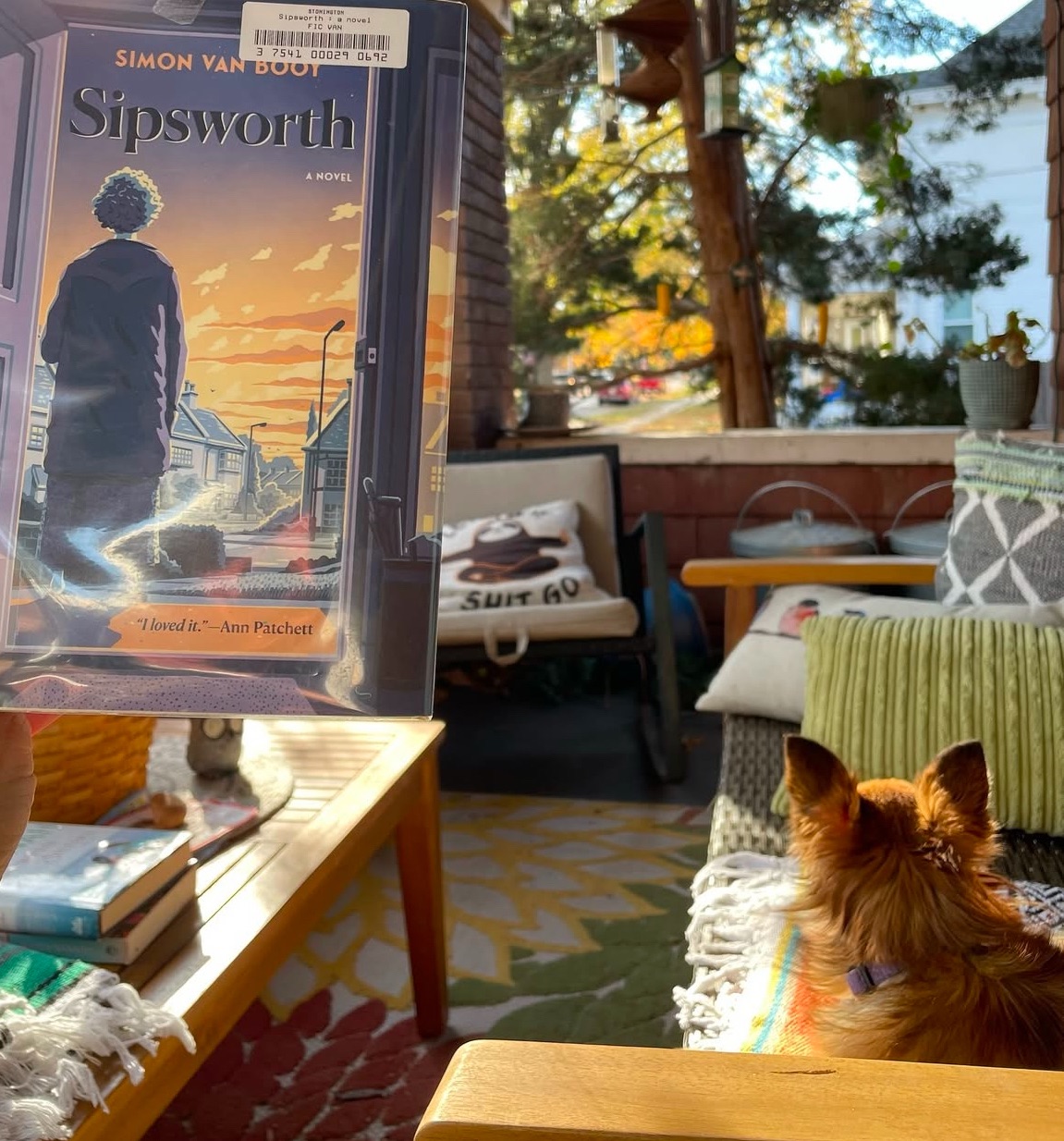
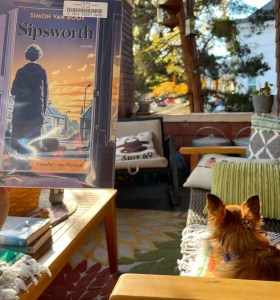
My Favorite Book of the Year (and favorite Instagram book review pic): Sipsworth by Simon Von Booy

As I finished reading my final book of the year in late December, I realized my year of reading in 2024 had been different. Brighter. Better. My very best year of reading, ever, in fact. Not because I read more books (I didn’t). Not because I read more wonderful books than usual, either (last year was more jam-packed with the exceptional). It was my best year of reading because I was present for every page of it. Even during the difficult moments, my reading was deliberate as well as joyful, all for love of good writing, learning, and a compelling story. I did not read to escape fully from this life or to blur the lines of my personal struggle.

I read to be present, much as I do yoga to be present.

All my life, except for four years during my fog of grief when I could not read at all, reading has been a joy, fed my curiosity, or helped me to escape my troubles.

In 2024, reading was a joy and fed my curiosity, but it helped me to balance my troubles with all the good in my life. Each book was what I wanted or needed it to be at any given moment, because I read it wide awake and open. I never read to pull the covers over my head. Reading was not a remedy. It was not merely a joy. It was a life force. Much like the breath in yoga. In and out, intentional and nurturing.

In the spring during my skin cancer diagnosis, Mohs surgery, plastic surgery to rebuild my ear, and the six long weeks of rest when I couldn’t walk briskly or get on my yoga mat, I was able to read. Yet my reading did not simply take me away from pain and worry, it engaged my senses and poked and prodded my emotions and intellect. The night after a panic attack that sent me to the emergency room in mid-November, I was able to read, but reading didn’t let me off the hook. Rather it helped me hold the doubt and find the sweet divine of stories other than my own. Throughout the hectic, year-long post-writing work on my forthcoming book Loving Lincoln, my pleasure reading was not just an escape from stress; and audio books were not just a rest for weary eyes. Reading or listening to a book was an energetic, purposeful pledge to be awake, the same euphoric release of a brisk walk, an hour’s work at my watercolor painting, or a lively discussion with a smart friend.

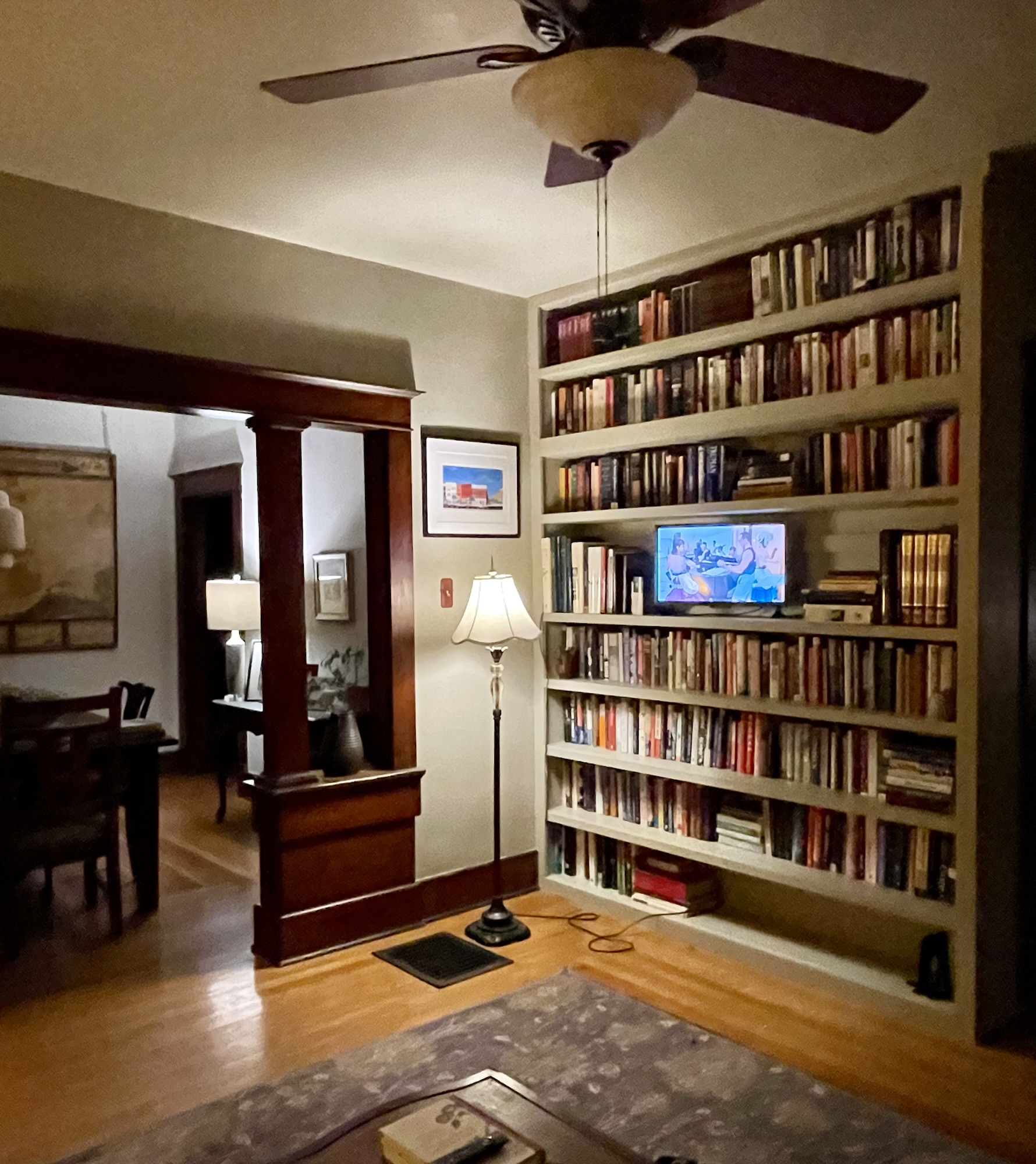
And maybe my beautiful new bookcase is the perfect evidence of this best year of reading.

Books are my favorite possessions. Reading is not just a hobby, it is my happiest time spent in quiet, beautiful existence.

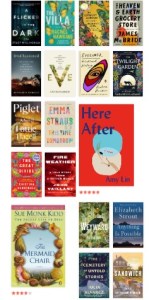
But lets get to the books, shall we? Among the list of 52 are three of the best books I’ve ever read in my life and a couple of duds. There are novels and memoirs and nonfiction books that speak to our country’s and our planet’s precarious conditions. There is a 624-page book and a novella, an artful book about birds, and a book about men at sea I never in a million years would have guessed I would love. As I stand back and peruse the list, I am not surprised at how fast the fast-clip pace of a book a week passed by, and I stand in awe of some crazy good writing by authors I’ve long admired and others that took me far too long to discover.

The top three books were, by far, my favorites, but the rankings of the others are less precise as it is hard to compare books that are important with those with beautiful prose. The reviews are taken directly from my Instagram reviews, unedited for this blog, even as I admit my opinion might have hardened or softened since reading the books and posting my reviews.

Cheers to all my 2024 books, one and all. You made me laugh and cry, ponder and worry and scream.

Sipsworth by Simon Von Booy (2024) ❤️❤️❤️❤️❤️

On a Friday, Helen is a lonely, cranky 83-year-old woman who has returned to her childhood town in England to finish living. On a Sunday, nine days later, she has adopted a mouse, turned vegetarian, broken the law, gotten a library card, and is entertaining a sitting room full of new friends.

This lovely little novel, with a surprising reveal in the middle, exudes the full range of human (and mouse) emotions from beginning to end. So charming and bittersweet, this beautiful story of a life is a quiet squeak that would warm even the chilliest heart.

North Woods by Daniel Mason (2023) ❤️❤️❤️❤️❤️

I gasped out loud at the end of this astonishing novel and then I sobbed at the beauty of it. North Woods is a creative whirlwind of stories across time, an epic history of place, and the haunting memories of lifetimes. A yellow house, humble and grand and humble again, is the setting for every tale, told in prose, poetry, letters, and even a real estate advertisement. From the discovery of a glorious variety of apple to the jealousies between spinster sisters to the forbidden love of a landscape painter for a poet, the stories of the North Woods unfold slowly like breath after breath after breath but they echo through the pages and build, together, to a breathtaking crescendo. The forest and the fields, catamounts, weather, and mental illness are central characters equal to the soldier-turned-orchardist who begins the novel, the young botanist who closes it, and all the peopling in between. The human emotions of love and loss and loyalty are foundational themes, but North Woods is so much more than a story of humanity. It is chronicle of the world, whispered from a remote piece of the earth in western Massachusetts.

Here After by Amy Lin (2024) ❤️❤️❤️❤️❤️

This gut-wrenching memoir has no purposeful narrative. No chronology. No story in time, with a beginning and an ending. Because grief has no purposeful narrative. No chronology. No story in time, with a beginning and an ending. This memoir, like grief, is a pulsating but horrifyingly quiet collection of thoughts, revealing the shock and pain of grief settling in for its permanent residency in the body. I’ve probably read 100 memoirs of grief since my daughter died. Too many words and so many books failing to capture the terrible, damaging rhythm of grief. In hardly any words at all, Here After captures the random, jolting, awful pace of memories that beat the grieving almost to death but also somehow miraculously lead us, at our own pace, back into the light.

Same As It Ever Was by Claire Lombardo (2024) ❤️❤️❤️❤️

Julia Ames is a character I will not soon forget. Not because she is a heroine or heroic or extraordinary. Not because she is exactly my age and, like me, still so uncertain about who she is and where she belongs. I won’t forget her because Claire Lombardo has drawn her with such detail and emotional depth that reading this book is like seeing the raw pain in real time of the mistakes and misjudgments of a friend you’ve known for twenty years. Almost like you are her friend, standing beside her as she learns to allow herself a little fucking grace, because don’t we all deserve a little fucking grace?

When a character in a novel becomes such a friend, you’ll read any number of pages, even a number you thought on page one was arrogant for such a young novelist, but then all of sudden you’ve read 250 pages and are so happy there are 250 more. It will never be arrogant to write such beautiful sentences, to so tenderly examine a psyche, to construct such a genuine life between the covers of a book so heavy you have to rest it on a pillow in order to keep reading for hours. The emotional power of this novel is stunning, the story is remarkably relatable, and the writing, even the long paragraphs, are crisp and delicious. And oh my goodness, those last lilting, mournful, joyful seven pages are a crescendo of all the love and the pain, the frailty and the beauty, and the simple, noisy melody of a life.

Tell Me Everything by Elizabeth Strout (2024) ❤️❤️❤️❤️❤️

Tell Me Everything is a perfect novel. Memorable, beloved characters. Heartbreaking and heartwarming stories about flawed humans. Beautiful writing. This book is also brimming with wisdom, friendship, and the little things that matter in the stories of our lives.

Tip: Read the Lucy Barton books, the Olive Kitteridge books, and the Burgess Boys first. This is a stand-alone novel, but the coming together of characters will be so much richer if you do.

Anything Is Possible by Elizabeth Strout (2017) ❤️❤️❤️❤️

Sometimes you read a book or a new author for the first time, and you’re not ready. Not ready for the characters or the story or the tone. Your mind is closed off from the beauty of the book or the author’s unique prose. In the early days of my grief I read My Name Is Lucy Barton. I hated Lucy. I hated Elizabeth Strout. I was mad at the world. I wasn’t ready. When I emerged from the fog of grief, I knew I had read books that I judged in sorrow, not in wide-eyed, open-hearted joy. So I gave Lucy and Elizabeth a second chance, and now I know the beauty of them both. Now I adore Lucy, Olive, William, and the fictional town of Amgash, Illinois, and I am in awe of Elizabeth Strout. She is now one of my favorite authors. Anything Is Possible is a love letter to being human. It is an ode to being frail and brave, lost and found, alive and also barely breathing. And there is Lucy, again, too. This beautiful novel is perfect timing for me as I anxiously await Strout’s new novel coming in September.

The Comfort of Crows by Margaret Renkl (2023) ❤️❤️❤️❤️

Renkl’s essays rock you like a creaky old porch swing on a summer night, the cicadas humming. Like everyone who loves nature, she worries about the future of our warming planet, but she gives herself and all of us permission to find the joy of shorter winters and early green leaves on invasive trees. The Comfort of Crows has love and snails, beauty in the face of uncertainty, hummingbirds, little animal hands, and the magic of leaf litter. And, wow, the gorgeous epigraphs offer up a fantastic, aspirational reading list. Better than a beach read, add this love letter to nature to your summer reading.

This Other Eden by Paul Harding (2023) ❤️❤️❤️❤️

This Other Eden is a lovely, softly written story of the evils people in power inflict upon the other. But it is also and more importantly the story of the stories of lives forged out of nothing, dignity and love breathed out of tragedy, and what is lost in the living, like a known landscape after a devastating storm. A fictionalized account of the horrific removal of a people, this book is more evidence to me that sometimes history is so painful it must be whispered into being and into memory on the pages of a beautiful novel.

The Cemetery of Untold Stories by Julia Alvarez (2024) ❤️❤️❤️❤️

Alvarez has written a poetic, imaginative, and deeply compelling novel about the stories we tell, the stories we keep to ourselves, the stories that haunt us, and the stories that set us free. She also poses the question: do stories need a teller and a listener, or can they keep themselves? I do not know, but I adore her idea of stories in communion with each other. In gorgeous prose, slipping occasionally, melodically into Spanish, the novel reinforces my belief that stories are everything, and in life and in death, they are the world.

The last line of the novel reads: “este cuenro se ha acabado.” But is any story really ever over? After reading this novel, packed with myriad stories and their fascinating, individual lives, I rather think not.

Small Things Like These by Claire Keegan (2021) ❤️❤️❤️❤️

Wow. This novella is gorgeous, both the writing and the tale exquisite. The story of a simple man’s enlightenment, it quietly illustrates how being blind to the injustices around you makes you complicit; and how it is impossible to look away once you have opened your eyes. Claire Keegan is an Irish writer well known for her short stories. I have to admit I had never heard of her until someone recommended this book, for which I am grateful.

The Mermaid Chair by Sue Monk Kidd (2005) ❤️❤️❤️❤️

I’m not sure how I waited so long to read this second of Kidd’s four novels, especially after devouring her most recent and best novel, the masterpiece Book of Longings (2020). I love Kidd’s writing. She is a queen of story and landscape and melody, and in this soulful novel she artfully reveals the deep center of a woman’s psyche, ripping her life and the world wide open with beauty and grace. This novel is the journey through a long year in a woman’s life, when she falls in love with a Benedictine monk and makes “a brilliant wreckage.” It is a story of family secrets, the fierce friendships of women, memory, and the quiet ways women lose themselves in domestic complacency. The book is bursting with beautiful writing. There is art. There is food. There is island culture. There are eccentric characters. And there are mermaids.

The Great Divide by Cristina Henríquez (2024) ❤️❤️❤️❤️

The construction of the Panama Canal is the setting for this crisp novel about people’s fierce sense place, the joy and power of unexpected friendship, and knowing when it is time to stand up and say out loud that you are here. In this lovely tale, the characters across the great divide help each other gather hope and love and to acknowledge the roots that nourish us in the face of revolutionary change.

Sandwich by Catherine Newman (2024) ❤️❤️❤️❤️

Sandwich is a novel about the middle—a woman in middle age with grown kids and aging parents, a human being living in between love and grief, the latter we all must do if we are lucky enough to truly live. Fear of grief is not quite the same as grief I wanted to tell Rocky, Newman’s protagonist; but I also wanted to assure her that she is absolutely right that the true bliss of loving is knowing that your heart might crack wide open at any moment. Sandwich is a witty and profound little book about life, and Rocky is a beautiful, bittersweet middle-aged woman I recognize.

As she reminds herself at the end of the story: “So you might as well love as much as you can. And as recklessly. Like it’s your last resort, because it is.” Life is like two slices of hearty bread, and it’s up to us to load it up with all the good stuff we can get our hands on.

Weyward by Emilia Hart (2023) ❤️❤️❤️❤️

In the pages of this debut novel are the distinctive and strong voices of three Weyward women across time. Hart’s prose is lovely, her pace is summertime time, and her historical tone is pitch perfect—impressive given the three historical settings, England in 1619, 1942, and 2019. I loved the mystical quality of the novel, the way the author connected the stories of the three women, and the crows. Oh, if only women really did possess the power to consort with crows and command nature to watch over them and exact delicious revenge on the men who harm them.

If you liked The Lost Apothecary, you’ll love Weyward.

Piglet by Lottie Hazell (2024) ❤️❤️❤️❤️

!!SPOILER ALERT!!

As her mother, sister, and father work to stuff her large body into the wedding dress, the wedding photographer witness to the horror, the last of Piglet’s self respect melts away like the profiteroles for the croquembouche leaking crème patisserie on the kitchen floor. It’s hard to watch this undoing of the poor protagonist so late in the story, when she’s had too many opportunities already to extricate herself from her doomed relationship. Food, relationships with food, self loathing, and betrayal boil over and stew across the pages of this odd little novel about a grown, professional woman who allows herself to be called Piglet. And like the pasta with tomatoes and olives and capers that she expertly prepares and eats on the final pages, the novel is satisfying and delicious.

The Heaven and Earth Grocery Store by James McBride (2023) ❤️❤️❤️❤️

!! SPOILER ALERT !!

In The Heaven and Earth Grocery Store, there is love and friendship, loyalty and bigotry, life and death and shelves and shelves of nourishment. This is a novel of the interconnected stories of a community both of and apart from the history of America. Beautiful writing and lovely, complicated souls await the reader on almost every page. Only four stars because I think the storyline falters a bit when we must say goodbye to that glorious and giving grocer at the novel’s heart, but this is a special kind of book that lovers of stories simply cannot miss reading.

Eve by Cat Bohannon (2023) ❤️❤️❤️❤️

Eve is a must read for anyone who cares about women and humanity. It should be required reading for anyone who doesn’t already know that women are queens. Full of remarkable research, fascinating observations, and stunning revelations about women’s bodies and their role in human evolution, Eve is mind blowing. Particularly interesting are discussions about the placenta; voice, gender, Bill and Hillary Clinton, and American politics; and a section at the end entitled Asteroids and Assholes that reminds the reader that the modern world is a spinning orb of uncertainty. All of us start out in a womb, people, and any society that oppresses or endangers women and girls is already on the path of its own extinction.

You Could Make This Place Beautiful by Maggie Smith (2023) ❤️❤️❤️❤️

A lovely, sad memoir of beginning a new life story. There are dozens of gorgeous sentences in this memoir, and the unusual cadence is haunting juxtaposition to the domestic story it unfolds. Seeing a little too much of my own experience in Smith’s story, especially the self-reflection, made me squirm, but wow, what a wonderful rendering of life, messy and beautiful and possible.

The Backyard Bird Chronicles by Amy Tan (2024) ❤️❤️❤️❤️

Lovely. Charming. Funny. Beautiful. And full of feathered fancy. I enjoyed this book all year, kept it on my porch all summer, and even gifted it to my mother. Tan’s drawings are fantastic! It’s not a book you read from front to back. It’s a book you randomly open to nibble and return to often, the discovery unfolding much like the birds arriving at the feeder in morning. This book is going back out on the porch in 2025 to enjoy for another year.

Fire Weather by John Vaillant (2023) ❤️❤️❤️❤️

Fire Weather is a true horror story, beautifully conceived and written. It offers a terrifying, brilliant examination of what human beings have wrought upon our planet. It is a searing indictment of the oil industry, policy makers, and politicians who ignored and then blatantly undermined climate science to feed their greed and power. Earth is on fire, and our reliance on fossil fuels has brought us to this fiery moment. Western society’s predatory delay in answering the fire alarm of climate change is responsible and to blame for the hellscape our children will inherit. In the not so distant future, as Vaillant puts it: “Lives will be cut short. Trauma will be far more common and good health harder to hold and maintain. None of this will be the fault of nature itself. It will largely be inflicted by the inaction of this generation of adults on what might fairly be described as the greatest inter-generational injustice ever inflicted by one generation of humans upon the next.”

This is a great book, but sadly, Vaillant is preaching to the choir. Only those of us who have faith in science and already appreciate the precarious position of human beings on our planet will even read this book. That’s too bad, because this is a fire and brimstone sermon that might put the fear of Jesus in some of those holding us hostage to bad energy and environmental policy, and better than any southern Baptist minister could do it. Fire Weather is not a hopeful book, but it sure as hell is an eye-opening one. Having read the book, I am hot with rage but also chilled down to my bones.

If you ever drove an SUV or consumed water from a plastic bottle, you are culpable. I am culpable. In the West, we are ALL to blame for the havoc already unfolding. Exhibit A: the Fort McMurray wildfire of 2016. And the only consolation I can find is that when we finally destroy humanity, the trees and plants that one day emerge from beneath the ashes will not know what we did.

The Wager by David Grann (2023) ❤️❤️❤️❤️

I don’t seek out adventure stories of men, historical or fictional, so I am grateful for the recommendations that led me to read The Wager. A fine piece of historical writing, this book beautifully illustrates what I love best about good history: it expertly conveys the facts we can know, spins out the conflicting evidence, and fills in the gaps with humanity. So if you are keen on naval history or the “ravaging dreams of empires” or just love a good story, I’ll bet you, too, will enjoy The Wager.

I also want to note the physical book itself is so lovely, printed on quality paper with two sets of gorgeous color illustrations and maps on the inside covers. The book has that satisfying weight and luxurious feel that many expensive but cheaply produced books these days so often lack (like last year’s Tom Lake).

Foreign Bodies by Simon Schama (2023) ❤️❤️❤️❤️

Foreign Bodies is classic Schama. Impeccably researched, exhaustive in scope, rich in detail and in context. His books are always a master class in the value of good history. I found some of the discussion of politics and the science of pandemics a wee dry (nature of the beast, I suppose), and I shuddered at some of the disease details (I would have been quite happy to have lived my entire life without reading about plague buboes). However, as usual, I am in awe of Schama’s brilliance. This book is a timely history, full of historical context about how human beings, their hatreds, their cultures, and their governments often stand in the way of public health. As stated by one of the epidemiologists Schama writes about: “It is a curious thing that the public always hates its benefactors.” And, so, Schama leaves the reader with COVID and Dr. Fauci.

To know the past not only explains the present but also debunks the false idea that humans made steady progress toward our present. Sometimes we read history and find ourselves standing in the same place as our ancestors. We might speak a foreign language from them and experience far different landscapes, but in some ways humans don’t change much over time. Perfect closing: “Contrary to what you’ll read in tabloid headlines or hear in the hoots and yells of social media, in our present historical extremity there are no foreigners, only familiars, a single precious chain of connection that we snap at our utmost peril.”

American Breakdown by Jennifer Lunden (2023) ❤️❤️❤️❤️

This book is impressive, fascinating and important. Lunden offers a deep dive into the toxic environmental, medical, political, and economic landscapes Americans inhabit. She parallels her personal search for health with that of Alice James in the 19th century, beautifully demonstrating the historical threads of women’s suffering. This human focus is also a counter balance to the complicated scientific and medical issues she tackles. American Breakdown is not an easy book to read (I never thought I would ever learn so much about chemicals), but it is a rewarding one. America is tragically unwell, and Lunden’s clear-eyed critique illustrates how the ravages of capitalism, sexism, inequality, outrageous health care costs, and the toxins to which we are daily exposed endanger our bodies, our communities, and our future. I started this book last summer, but put it down to finish my manuscript and forgot about it. I read the last 100 pages today, and wow, I’m so glad it emerged from under a stack of “to read” books so early in the New Year.

The Lost Bookshop by Evie Woods (2023) ❤️❤️❤️❤️

Martha is lost and has no idea that her future is in the past. Henry is obsessed with the past and has no idea his dreams are standing right in front of him. Opaline is the brave woman from the past who brings these two lost souls together so they can solve the mysteries of the lost bookshop. This wonderful novel has all of the glorious aspects of a cozy bookshop, even the smell almost lofts of the pages. The story is hopeful and bright, filled with magic and human kindness, and Henry is one of my favorite male characters of the year.

Our Hidden Conversations: What Americans Really Think about Race and Identity by Michele Norris (2024) ❤️❤️❤️❤️

Our Hidden Conversations is a must-read book about race and identity in America. NPR listeners will remember the author and her fascinating Race Card Project, which make up the collected conversations inside this thought-provoking volume. It is a long book on a fraught subject, but if you care about America and the problems we face as a free society with so much more room to be better, it reads like a winter prairie wind, fast and bracing. It’s a smart, open-hearted, and honest book, encouraging readers to share and to LISTEN. I chose the audio version, and I encourage you to do the same. To hear the cacophony of voices in this breathtaking book is to better facilitate the hearing that all of us need to do, especially as we face another four years of ugly othering and leaders whose intentions are to denigrate our beautiful diversity and to divide the best of us.

Poverty, by America by Michael Desmond (2023) ❤️❤️❤️❤️

In Poverty by America, Michael Desmond does not simply explain the condition and context of American poverty. He makes you think about your role in perpetuating poverty. He makes you cry, he makes you scream. He explains not only why poverty exists but examines ways to end it. It is a hopeful book in that Desmond illustrates how it is possible to end poverty in America. But it is a depressing book, too, because I know in my head and feel in my heart that there is little political will to make the sacrifices necessary to end it.

Maude Horton’s Glorious Revenge by Lizzie Pook (2023) ❤️❤️❤️

An uncomfortably delightful tale of the ghastly spectacle of public executions, murder, and revenge. Lizzie Pook takes the reader on a suspenseful ride through the underbelly of Victorian England, where a proper young woman muddies the hems of her skirt and her heart to avenge the violent death of her beloved sister. Fast, fun historical fiction in gruesome detail.

The Bookshop by Evan Friss (2024) ❤️❤️❤️

The Bookshop is a delightful history about the lineage and business of bookstores, but more importantly it is a collection stories about the quirky people who opened bookstores and the ways in which bookstores were advocates and activists, promoted authors and genres, and were members of their communities. Friss covers everything from Benjamin Franklin to the Strand in New York to Ann Patchett’s Parnassus Books in Nashville to Amazon. It’s good, interesting history and a fun read, filled with wonderful tidbits about the magic of books.

Eyeliner by Zahra Hankir (2023) ❤️❤️❤️

I have been an eyeliner devotee since I was a teen, and since I was a young scholar in a field of sexist men I have worn it as an armor. Imagine my delight happening upon this history of eyeliner in the new book cart at my local college. And imagine my validation when I learned that eyeliner in many cultures has been an armor. It was an interesting little book, and the line drawings of people in eyeliner at the start of each chapter are lovely.

The Grey Wolf by Louise Penny (2024) ❤️❤️❤️

The latest case of Chief Inspector Gamache of the Sǔreté is big stakes, the story dark. Sadly, though, it’s kind of boring. I mean, I liked it, of course, because it’s Gamache and brioche and the ambiance of Quebec, with brief appearances of the delightfully quirky residents of Three Pines. But this nineteenth installment of the series was not my fave. So now I’m even more ready for book twenty (does that even make sense?)!

The Twilight Garden by Sara Nisha Adams (2024) ❤️❤️❤️

Not as strong of a narrative as her first book, but this sweet tale of friendship and the communal spirit of a garden is an enjoyable read. I appreciate novels that evoke a strong sense of place, and The Twilight Garden is about as good as it gets on that point. It’s a sleepy story, but the characters, a family of foxes, and a young man finally coming to terms with his grief are worthy of the lullaby.

Amy and Isabelle by Elizabeth Strout (1998) ❤️❤️❤️

Sometimes it takes a dead body to see we’ve been doing it all wrong. We are only human, after all. Strout’s first novel, this story is about a mother and a daughter and the ways in which mothers and daughters and humans fail each other and love each other imperfectly. Tender as well as harsh, and beautifully written.

Bronze Drum by Phong Nguyen (2022) ❤️❤️❤️

Bronze Drum is historical fiction based on the life stories of two warrior sisters who rose up against the brutal oppression of the Han Chinese. Woah, damn. What I didn’t know about the ancient history of Vietnam is a lot, and a lot of it is quite terrible. The Tru’ng sisters are badass feminists and patriots even as the odds against them are unfathomable. A good human story, but a depressing one. The cruelties that men in power have wrought upon women throughout history is heartbreaking and horrific. But every once in a while brave women stand up and refuse to comply, which is beautiful and inspiring. Pretty good writing here, too, giving the reader I haunting sense of ancient Vietnam in 40 CE.

The Hypnotist’s Love Story by Liane Moriarty (2023) ❤️❤️❤️

!!Spoiler Alert!!

Not always great literature, but Liane Moriarty’s books are always great fun. The women she writes are original. Better than quirky. Human and weird and relatable. The plot of this one is hilarious. The protagonist is a hypnotherapist. Her clients are a hot mess. And her finance’s stalker is a woman who bakes cookies in her victim’s kitchen. It is a little down under dark, but the cookies are not poisoned and the stalker snaps out of it in the end.

Master Slave Husband Wife by Ilyon Woo (2023) ❤️❤️❤️

If you don’t know the phenomenal story of Ellen and William Craft and their bold and brilliant escape from slavery to freedom, read this book. If you know the story already, move on. I understand why this book was well received, because the history it tells is mind blowing and not widely known. But if you know the story already, it reads a little dull. That’s not a fair knock on the book, just a bummer for this one opinionated historian.

Yellowface by R. F. Kuang (2023) ❤️❤️❤️

Fascinating tale of book publishing, lies, racism, and cultural appropriation, but not enjoyable. No, too dark and cringy for me—and yes, I know it’s satire. Kuang is a great writer, though. She’s imaginative and wholly original.

Ruthless River by Holly FitzGerald (2017) ❤️❤️❤️

Holy hell, this memoir was my worst nightmare and reminded me that the nature around my porch is all the nature I need. Good grief and mercy sakes alive. If this horrifying story of being trapped in a bog in the Amazon covered with bees and eating grubs doesn’t cure you of extreme nature outings, you may be crazy. But nightmares aside, this is a fine memoir. Vivid and crisp and suspenseful.

Disillusioned by Benjamin Herold (2024) ❤️❤️❤️

Disillusioned is a heartbreaking investigation of the decline of the suburbs, focusing on five families in towns outside of Pittsburgh, Chicago, Los Angeles, Atlanta, and Dallas. Herold’s study is expertly reported and offers a sound indictment of the racist policies of municipal and educational institutions that failed to deliver the promises of suburban life to its nonwhite residents. The book offers little hope, as the COVID pandemic and modern political discord have deepened racial divisions and made even discussion of difficult subjects hostile. I was disillusioned before reading this book, which I hoped would offer possible solutions. But, alas, Herold is as disillusioned as his subjects. And that’s a big bummer.

The Burgess Boys by Elizabeth Strout (2014) ❤️❤️❤️

The story in this early Strout novel is too meandering, but the characters and the quiet falling out and back in with family is lovely. The Somali immigration story has a clear purpose of juxtaposition, but its lack of development left me wondering if it was necessary. Regardless, the writing is rich and melodic and full of life.

Bear by Julia Phillips (2024) ❤️❤️❤️

Fantastic writing. Compelling characters. But JFC, I wish I never read it. Now, excuse me while I get going on another book, because this story cannot be the last one I read this year. Gah.

The Story Collector by Evie Woods (2024) ❤️❤️❤️

I will forgive the misleading cover and the unexpected romance into which this love skeptical reader feels a tad tricked. Because I loved the characters and the bounce across time. Because I know first hand that Ireland is a little bit magic. Because like the woman at the center of this story, my own hard reset shifted my heart in a new direction. And because, if fairies can give comfort to the grieving, I believe. I believe. I believe.

This Time Tomorrow by Emma Straub (2022) ❤️❤️❤️

Good writing and a sweet story about a woman’s tender relationship with her father is not enough to overcome the time travel component of this novel. Time travel is stupid. Sorry, I just don’t like it. I am a big fan of Star Trek, for example, but I hate the time travel episodes. Lame on tv. Lame in literature.

One Perfect Couple by Ruth Ware (2024) ❤️❤️❤️

Reality television goes deadly wrong on a gorgeous island in this latest thriller from the British queen of darkness. Ruth Ware is so good at juxtaposition, psychological menace, and cheek. Should it be so fun to watch a group of wanna-be reality stars get picked off one by one? Well, it is, and I’m not ashamed to admit it. Although I also must admit that I probably won’t remember the characters or the plot a year from now. Thrillers thrill me, but they don’t stick to my ribs.

Rock Paper Scissors by Alice Feeney (2021) ❤️❤️

Rock Paper Scissors is the black-hearted story of a love triangle of sorts and three despicable people. It’s a good little thriller, set during winter on a Scottish loch, and it has a delicious twist. Not great literature, but if you like a dark story with a British accent, this quick read or listen (I chose the audio book) is an entertaining, 10-hour escape. Oh, and if you do take it up, pay attention to the chapter titles.

The Midnight Feast by Lucy Foley (2024): ❤️❤️

A short and fun thriller with a terrible wonderful villain. I don’t know what it says about me that I have become a strange little aficionado of thrillers by British women writers. I like to listen to the audio versions of these books by Lucy Foley and Ruth Ware. I scoff at most escapist literature, but murder and intrigue in a British accent is enormously appealing.

A Flicker in the Dark by Stacy Willingham (2022) ❤️❤️

I needed an easy read and this thriller was available at the library. Frankly, I chose it because I like the author’s first name and she spells it correctly. Sometimes I just want to float away to get out of my monkey mind, and even a mediocre thriller helps me escape or, like this one, makes me think things like: “Hey, my life’s not so bad, at least I’m not a pill-popping mess of a young woman who has a serial killer in my immediate family.” I think there might be one pretty big hole in the plot of this novel, but overall it did precisely what I asked it to do.

Mercury by Amy Jo Burns (2024) ❤️❤️

This is a decent novel with complicated characters and a solid family story to unwind. But, mercy, Mercury is flawed, some chapters getting bogged down with too much detail, unnecessary to carry the plot. I liked the setting and the messy examination of a family business, but a couple of the decisions of main characters left me scratching my head and the tacked on later years of the story wasted paper. Sometimes I read a novel that reminds me of how much daylight there is between a good novel and a great one. This is one of those times.

The Soulmate by Sally Hepworth (2023) ❤️❤️

I hate to start the year with a mediocre thriller, but the story was good enough and the audio narration well done enough to keep me entertained while doing a jigsaw puzzle on New Year’s Day. In a few places, the novel (set in Australia) offers intriguing assessments of the secrets spouses keep in a marriage; and a dead woman as one of the two narrators is fun. It is a decent mystery, nicely paced and unfolded, with enough left unsaid at the end of each chapter to keep the reader turning the page.

Starling House by Alix E. Harrow (2023) ❤️❤️

Terrifying dreams shade into horrifying reality, but the reality was far less intriguing to me. I kept hoping the next chapter would be a nightmare. I enjoyed the historic tale, a long-ago woman taking revenge on the descendants of the family who destroyed her. But the monsters, the sword fighting, and creepy love? story failed to keep me wide-eyed deep into the night like a good creepy novel should do. I selected it to read at Halloween, but it got bumped for an inter-library loan. Perhaps I didn’t give it a good scream, but the library book overshadowed Starling House in time and in quality.v

Saturday Night at the Lakeside Supper Club by J. Ryan Stradal (2023) ❤️❤️

!!Edited review and spoiler alert!!

I love a novel that makes a place a character, and a Minnesota supper club seemed a likely winner. And it was for a few chapters in this novel, with funny, quirky characters and the connections and conflicts set at the supper club across the generations of a family. I could not, however, get past the magnitude of two tragedies—one early in the novel and the other late and completely out of left field— for which there is no examination of loss and grief and no effort to see the supper club as an anchor or a wedge in that trauma. Frankly, I’m confused. Is this some aspect of Minnesota nice? Whatever it is, the lack of emotion in a novel filled up with emotional trials makes it a real bummer for me.

I woke up the morning after finishing it and posting a review rather mad at this novel. This author killed off the main character with no warning and no grappling with it. And I’m pissed off—I’m not going to downgrade my hearts, because there is that sense of place feeling this novel possesses, which I love. But dammit the lack of emotional depth is infuriating.

The Villa by Rachel Hawkins (2023): ❤️❤️

A little too young for my tastes, but this suspense novel has a couple of juicy twists. The duel stories in the novel track well and dovetail nicely, and there’s lots of sex, love, jealousy, betrayal, and a little murder to make things spicy. There are a few highs in the novel (I loved the villa) but far more lows (ugh that dreadful podcast chapter). In the end, I just didn’t like the characters well enough to care. I prefer my shallow author protagonists to be less … well, less shallow.

Consent by Jill Ciment (2024): ❤️

Consent is shocking. Hard to read without wincing at passages because it is impossible to see a relationship between a 17-year-old girl and her 47-year-old teacher (no matter that it resulted in a 45-year marriage) as anything other than gross. I hate the story. To be honest, I gagged in several places. What is interesting, however, and why I kept reading is not Climent’s reevaluation of the relationship post #MeToo but rather of the memoir she published in 1996 when her husband was still alive. This new memoir raises all kinds of interesting questions about how we rewrite our stories to accommodate new perspectives, changing social norms, and our shifting definitions of peace. Memoir is more about getting things real than getting them right. Climent obviously needed a do over, because that first memoir was a whitewash. But, in the end, I’m not sure she moved the needle all that much closer to real.

Walk with Me

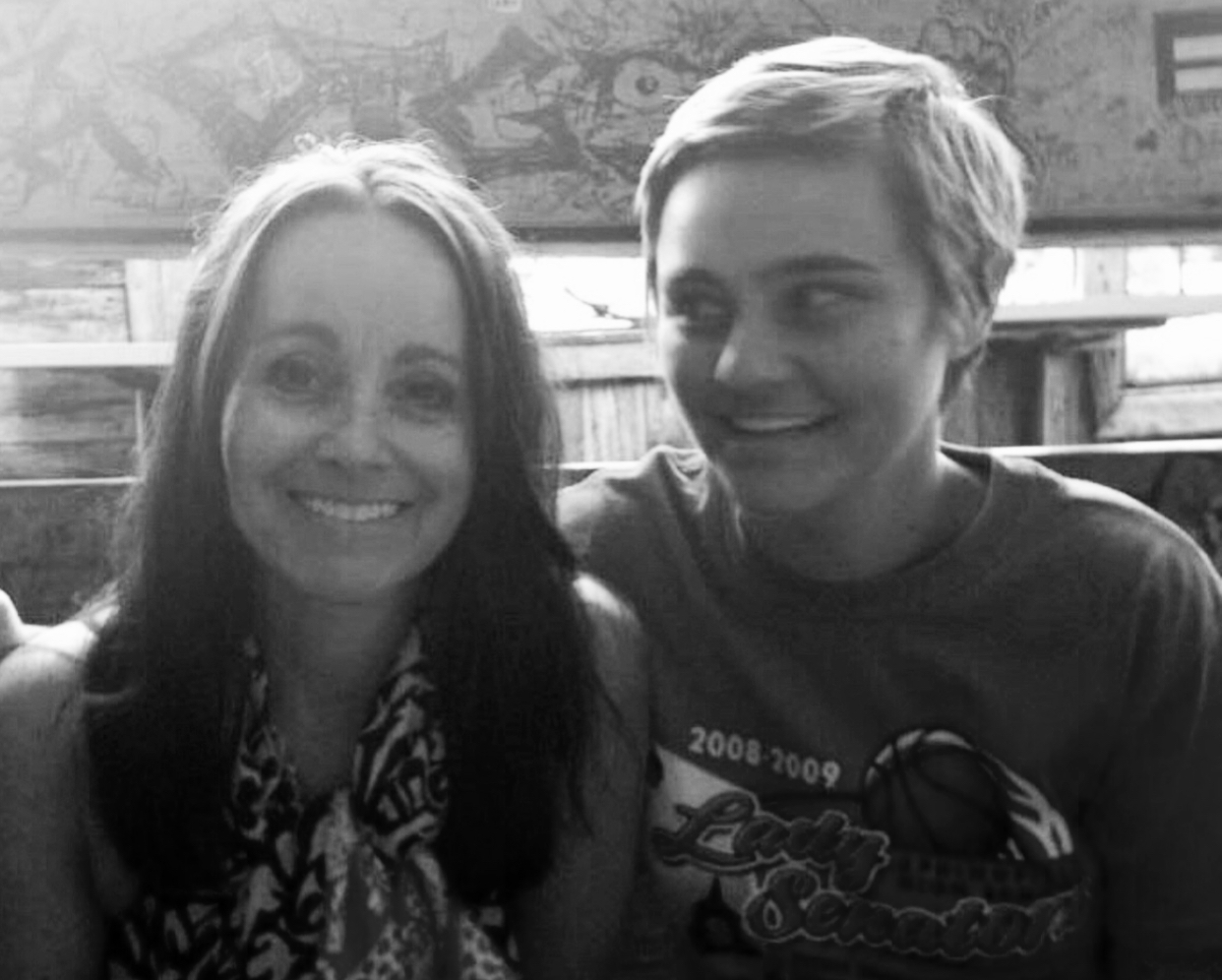
Please do not tell me that I am lighter than I was a year ago or two or nine. Do not call me strong or inspirational or a survivor. I am not lighter and, if I am honest, I am heavier because I know the worst can happen and that a person can live with profound grief. I am not strong for surviving the death of my precious Mackenzie. I survive because there is nothing else to do when you know how precious life is, how fragile and fleeting is our time to breathe upon this earth. I do not want to be an inspiration for the sorrow with which I have no other choice but to cope. I just want you to walk with me so that I am not alone and that you know you are not alone.

I do not always know where Mack’s spirit soars, but I hope she always has a lovely view.

Nine years of living without Mack has not made me brave, but it has made me different in all the ways that human beings are remade when life throws them something hard or unexpected. I am not better; I am simply better at coping. I am still in pain but today I better balance my pain with the good bits of being human. I no longer find myself in the fetal position on the shower floor, sobbing and late to start a day, but every time the warm water hits my skin, I remember everything. Her death. My loss. The burden of every milestone collected in her absence. The pain in my bones. The throbbing ache in my heart for missing her. And then I wash myself with soap and memories and start a new day.

Because I am here.

Because I have two lives to live. One for myself and one for Mack.

I have rewarding and challenging work to keep my mind supple and give me purpose. I walk outside every single day and appreciate the fresh air. I practice yoga. Family nurtures me, and I have brilliant friends to share this life. I have my darling Savannah. I have my cozy bungalow. There are my dogs, birds chirping on my porch, and great gin with fresh lemon. I have books into which I can escape; and I have my writing to push me into a future I did not imagine was possible nine years ago. And a newfound joy of watercolor has awakened my inner child. And when I paint, Mack sits on my shoulder giggling with me at the hilarious results of her Momma Bear’s creative efforts. Watercolor is a new joy for me to share with the spirit of Mack in the quiet of my little archive room, sitting at the childhood desk she inherited from her big sister, the morning sun streaming in through the large windows.

I am okay. I can locate laughter. I know love, joy, and peace. I am melancholy, yes, but I am also beautifully bittersweet. I can hold love and pain, the quintessential qualities of being human, and be well in the knowing that this is precisely what it means to be alive.

I am productive and creative and content most days. I am here. And Mack is with me.

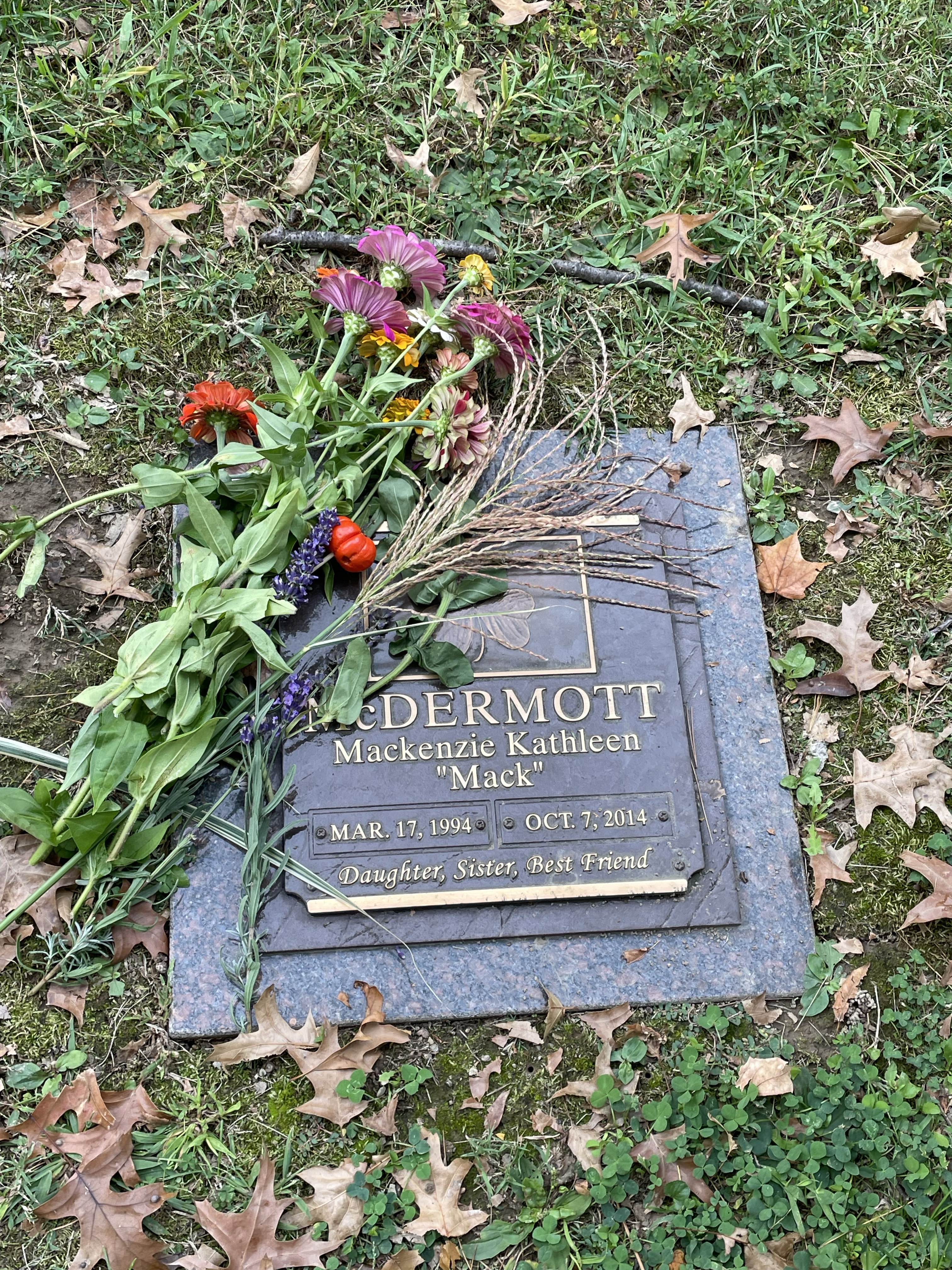
I visited Oak Ridge Cemetery on the eve of this 9th anniversary of Mack’s death. I took flowers from my yard and spent the day held up by lovely humans who keep me sane and make me whole.

The Work of Writing

On the 1,253rd day of living in the fog of my grief, I walked into the Walgreens at Lafayette Square to buy a bag of candy and a Dr. Pepper. My plan was a sugar coma for another shitty Saturday in my devastated life. Inexplicably, however, I did not beeline for my baseline in the candy aisle. Instead, my body began a slow stroll up the first aisle of the store, down the second, and up the third. Too worn down to resist this compulsion to browse each aisle, I mindlessly scanned the shelves for nothing. In the middle of the row of office supplies, I spied a thick journal with a geometric pattern in blue and a bright green strap to hold it closed. Without thinking, I picked it up, the weight and feel of it in my hands felt comfortable and natural. It felt like it was meant to be mine. The next thing I knew, I was at the cash register purchasing the journal and a packet of pens with purple ink. Mack’s color.

The candy and the Dr. Pepper forgotten, I had a new plan. It came to me like a whisper from the cosmos to stop wallowing in my broken old life and start writing a new life. This journal and these pens were my first provisions for a long journey, which would begin at Chava’s Mexican restaurant just a few blocks south in Soulard. I took a seat in the sunny front corner of the restaurant. I nibbled on a few chips. I took note of the late-afternoon light streaming in the windows of the quiet restaurant. I recognized the calming rhythm of my breath as I pressed open the journal. I sipped half of my strawberry margarita and licked most of the salt off the rim of the glass while staring at the first blank page. And then I picked up a pin and started writing. By the time I left the restaurant, the fog was beginning to lift. I could see the hope in the light that was supplanting the fog. I could see a little glimpse of where I was going.

March 2018

During the next seventeen months I filled the pages of that journal and several others. Reflections and observations. Bad poetry. Eavesdropping. Curses. Checklists. Questions and answers about who I was, where I was, and what I wanted. Pipe dreams and possible plans. Agonizing arguments with myself about what I needed. What steps I must take to regain control of my life, to put myself back together again, to move forward with grace, and to become the human being I needed to be to survive the death of a daughter. I made notes of what I would have to leave behind and let go of in order to go forward. I made predictions. I anticipated mistakes. I had been writing about my grief since Mack’s death, but this new writing was intentional. It was not sorrow spilled out in sobs onto the page. It was determined, mindful writing. It was a sketched out new plot in my story. It became the rewriting of my life, the work of me, in progress. It became a second job of sorts, a sorting out and a reckoning.

That writing of the rewriting of me gave me courage. It gave me license to prioritize the reimagining of my life at just past fifty. It helped me chart and navigate an independent course, to shed my failures and regrets, to choose quiet contentment over the unsustainable, exhausting pursuit of bliss. It helped me through my divorce, my painful departure from the city I loved, and my terrifying replanting in a new place. It led me to the cozy 1919 bungalow, where I have curated peace on my own terms in a sleepy college town I am finally beginning to call my home. Some would say the letting go and the moving, the settlement in a new place, and the determined redirection of a life out of profound grief was the work I did. But for me, the doing was the easy part, the simple implementation of a plan. For me the work was in the writing. The work is always in the writing. It fuels everything that is necessary for every journey I must take in this life. It points me in the right direction. Nothing I have accomplished in the past four years would have been possible without the work I put into my writing.

In my professional work as a historian and in my personal work as a human being, I am a writer. Writing pays my bills and paves my path. It is how I make sense of myself and the world around me. It is the way I best express myself, heal my wounds, and move forward. Like any job worth doing, it is hard and it is frustrating. A blinking cursor on the screen or a blank page in a notebook has the power to make any writer go mad. It is work that requires overtime and underpay, most of the words not making the cut. There are days when you cannot muster a single sentence, and then the next day you yawn and realize you have been writing for hours and are three hours past bedtime. Writing is, it seems to me, exactly like life.

During the past eighteen months, I have done little else but write. I spent more time writing and rewriting and deleting sentences and paragraphs than pulling weeds, preparing meals, or dusting the furniture. It has been a challenging, thrilling, exhausting time, and, perhaps, the most productive months of my entire life. It has been good, bone-tired-at the-of-the-day work. I completed the editing and writing of a 900-page volume of the papers of Jane Addams, a collection of essays about Abraham Lincoln, maintained an irregular personal journal, kept a detailed engagement calendar filled with thoughts and random ideas, and posted a lot of nonsense and a little wisdom on Instagram. I was so mentally and physically depleted after submitting the 340-page manuscript of essays to my publisher in the middle of August, I tried to take a writing break. I did not last one day. Writing is so engrained in the woman I now am that I simply cannot breathe without it.

September 2023

So if I say I am taking a little break from writing, do not believe me. I am lying. It is a rare day when I do not write at least a little something: a footnote for a Jane Addams document, a sentence in my engagement calendar about something strange I saw on a walk, a short book review posted on Instagram, or the scribble about a fear, entered into the journal by my bed, just before turning out the light. Even if I am staring at that damned blinking cursor on my laptop screen, I am working at writing, and I am grateful and content to be so employed.

Since that day in Walgreens five and a half years ago, the work of writing has sustained me. It gave me hope and led me into the light. It keeps my sorrow in balance with love and with joy, and it makes the darkness less frightening. I have become one of the lucky ones. I know precisely what I need to be doing. I get to do what I love and spend my time writing. Facing this ninth anniversary of Mack’s death (and all of the anniversaries in front of me), I am relieved to know I will always have writing, the nourishing and rewarding work to see me through them. Writing is my remedy as well as my journey. Writing is my life’s work, and from it I will never retire.

Stumbles, Restarts, and Stories

The year 2022 has been a struggle for me. In many practical ways, it was the first year for a fair evaluation of this new life of mine as a big-city-minded single woman in a small college town. The pandemic years were a false test, a stunting of my regrowth, and 2022 taught me nothing if not that I am still hoeing, most of the seeds remaining in my pocket for this project of my replanting. Hoeing is damned hard work, and my hands and my heart earned new calluses this year.

It was a year of head-down working, writer’s block, doubt, and lethargy. I was overwhelmed and scattered, wading in new waters of worries, some real but most imagined. I struggled to stay on task, giving in to uncharacteristic procrastination, and I was prone to wallowing in sorrow, like a sad little pig stuck in the mud. Walls and little dogs in the middle of the night are uninspiring audiences for a storytelling chatterbox, and my purpose in 2023 will be to seek a balance to my determined self-sufficiency and my tendency to be forlorn.

For all its struggle and sorrow and evidence for the need of self-improvement, 2022 was not all sad-sack and serious. I made some memories. I am wizened enough from grief to know that light exists in the darkness. I was busy and productive this year, working full-time as a joyful editor of the Jane Addams Papers Project, finishing up two years of work on an 800-page manuscript. I spent 650 hours writing and researching and pacing and thinking about the unusual book I am writing about my relationship with Abraham Lincoln. I planted and tended to my growing yoga garden, maintained a nurturing yoga practice, and settled into my volunteer activities. I enjoyed several weekend visits with my daughter and old friends, walked more than 1,500 miles, hosted a fall gathering around my fire pit, and read books and served craft cocktails on my peaceful porch. I took a few fun field trips in Mary Arizona, the brand new Ford Escape hybrid I purchased after finally letting go of my beloved Ellie, an 18-year-old Honda Element. I also enjoyed two short vacations, one to Washington, D.C., with my sister and niece, and another to Annapolis with my dear Springfield Sallies. Throughout the year, I had my writing group meetings, chats with neighbors, and so much good food at my sister’s house.

And I read 52 books. Although I lost the thread of my own story a little this year in the daily grind of getting by and getting through, there were stories all the while. Beautiful books, take-me-away tales, and stories of being human. Reading lifted me through the darker days, and I am grateful, always indebted to the magical quality of books to give me perspective, to transport me to other lands, to introduce me to other lives, to entertain me, to make me laugh and to cry and to think. The reading list this year was lighter than reading lists of the past, but perhaps the selections were my subconscious mind giving my busy, hard-laboring brain a break. There were stories of a fig tree, sexism and talking dogs, tragedy, grief, American slavery, and the Great Depression. Among the protagonists were native Americans, displaced Cypriots, dysfunctional families, a robot, grieving spouses, an African immigrant living in London, a lexicologist, orphaned boys, and flawed middle-aged women figuring shit out, the latter sometimes too much like me. There were stories about love, death, travel, war, marriage, ghosts, and honey bees, and, interestingly, nine books I read in 2022 spun stories about the power of words, the magic of book stores and libraries, or the truth that books can literally save our lives.

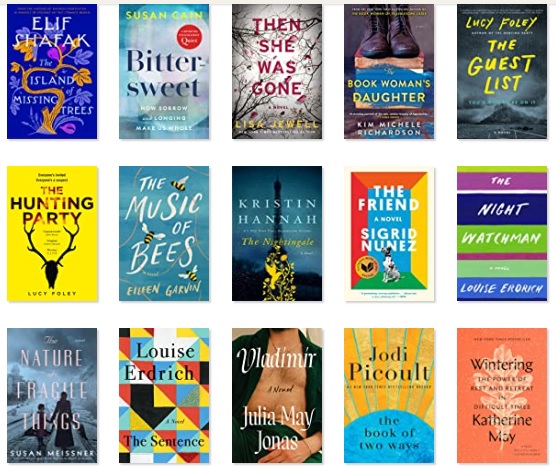
Below I offer you my humble reading list, complete with brief descriptions and my love ranking. The 21 great books with five or four hearts are ranked in the fairly precise order of my affection. The remaining books are merely categorized as the “The Good,” “The Pretty Good,” and “The Truly Awful,” the latter of which there are three. The Island of Missing Trees is my book of the year, and if you take any recommendations from my list at all, read that one. A more creative, beautifully written story, which weaves a tapestry of nature and humans and the present and the past, will not soon, if ever, be written. It is a story of all stories, inspirational and vast, intimate and true. I think I’ll take my cue from Elif Shafak, the novel’s gifted author, and keep my eyes open in 2023 for the inspirational and the true, existing in the wide world around me as well as in the corners of my own home and heart.

My Year of Stories

#1) The Island of Missing Trees by Elif Shafak (2021): This is a gorgeous story about love and grief and ethnic divisions, which bends and sways like trees in an island breeze, across the distances humans create in their own hearts. At the center of this poetic tale is a fig tree, a unique historian and storyteller who understands the roots of the human characters’ emotions better than they to do themselves. And on every page is Cyprus, beautiful and tragic, and the trees and the birds and the insects, and the impermanence and the continuity of life. ♥♥♥♥♥

#2) Lessons in Chemistry by Bonnie Garmus (2022): Elizabeth Zott is my favorite fictional person I met all year, and her dog Six-Thirty is hilarious. Bravo, bravo, Bonnie Garmus, for making me laugh while I raged against the men and the sexism that kept thwarting the main character’s perfectly reasonable ambitions. Lessons in Chemistry is smart and funny and right on the nose about the power of women to do what they want, in the way that they want, and to succeed on their very own terms. ♥♥♥♥♥

#3) The Sentence by Louise Erdrich (2021): Wait, what?!! This book is the author’s follow-up book to her Pulitzer-Prize winning novel? Holy cow. Oh, Louise, you wonderful word wizard, you. I want to be friends with Tookie, this book’s lovely and flawed main character who is bursting with soul. This book is real and mysterious, humorous and deep, and offering the best pandemic reflections I’ve read to date. I selected the audio book because it was read by the author, and I urge you to do the same. It is an exquisite story written and narrated by one of the best authors writing today. ♥♥♥♥♥

#4) The Dictionary of Lost Words by Pip Williams (2020): Words are the star characters of this imaginative, alternative story of the Oxford English Dictionary. Pip Williams has written a feminist and human portrait of words and their meanings on the tongues and in the imaginations of the people who speak them. It is such a treat to read fiction that allows the reader to escape to the past, but at the same time offering real-life food for thought for the modern world. Esme, the heroine of the novel, is another of my favorite characters this year.  ♥♥♥♥

#5) Oh, William by Elizabeth Strout (2021): This is the story of Lucy Barton that finally touched my heart. It took me longer than everyone else to get on the Strout bandwagon, but I am a happy passenger now. Lithe and also profound, this novel is the story of a marriage and the miracle of forgiveness. Strout is tender in this telling, and now I appreciate her gifts as a writer. ♥♥♥♥

#6) The Reading List by Sarah Nisha Adams (2021): Widower Mukesh is an isolated widower when he ventures out to his public library, and this heartwarming tale is the story of how this delightful old man learns, through the power of books, that he has so much more to live for and to give. I adore the intergenerational friendships in this novel and how reading books in common has magical power to connect us to each other. ♥♥♥♥

#7) The Music of Bees by Eileen Garvin (2021): I love and need good stories about grief, and this book is a treasure, the charming, human story about sorrow and lost souls, healed by the magic of unexpected friendship. The main character is a widow who throws herself into beekeeping and takes comfort in sharing her love of bees with the two misfits she hires to help her expand her business. The rich details about bees, beekeeping, and honey are a delicious bonus. ♥♥♥♥

#8) In Love: A Memoir by Amy Bloom (2022): This is a touching memoir about a wife honoring her husband’s choice to die on his own terms, before Alzheimer’s disease steals his essence away. Bloom is a terrific writer, and this is a heartbreaking, matter-of-fact memoir that is not overly sentimental. ♥♥♥♥

#9) Signal Fires by Dani Shapiro (2022): This beautifully spare and vastly human novel is the story of the ghosts that haunt us and the spirits that connect us. It begins with a fatal car crash in 1985 that takes the life of a teenaged girl, a story that breaks the lives of the people who survive it. It ends with the ways in which the people we lose keep on living, providing love and hope and connections we find in the rubble of our broken lives. ♥♥♥♥

#10) This Tender Land by William Kent Krueger (2019): I am not on my own drawn to coming of age stories of boys, but on the recommendation of my friend Sandra, with whom I share a love of books with deeply human themes, I listened to the audio version of this superb book. The story, set in the Great Depression, follows the desperate travels of a group of orphans, but it is about so much more than want and survival. It is an epic narrative about the families we choose, the experiences that shape our becoming, and the stories we keep to make us feel whole. ♥♥♥♥

#11) The Night Watchman by Louise Erdrich (2020): Erdrich won the Pulitzer Prize for this book based on the story of her grandfather’s life, and it is compelling and classic Erdrich. Native American spirit meets struggle meets transformative human narrative that transcends race and ethnicity. This incomparable writer never disappoints me. Her voice is loud and clear and breathtaking. ♥♥♥♥

#12) The Lost for Words Bookshop by Stephanie Butland (2017): This story of the unfortunate life of Loveday Cardew made me laugh and cry and cheer. I stumbled across this book and didn’t expect much, but it is among the best audio books I enjoyed all year, artfully narrated by the incomparable Imogen Church. The heroine of the novel keeps on keeping on and eventually shines through; uplifting and lovely, and driving a story I did not want to end.  ♥♥♥♥

#13) Bittersweet: How Sorrow and Longing Make Us Whole by Susan Cain (2022): I didn’t need this book to validate the way I am—a serious person who tends toward the melencholy—but it sees me in ways I never knew I needed to be seen. I am not a sad sack or a gloomy Gertrude, dammit, I am beautifully bittersweet, able to balance the hard and the soft and to see snippets of sunshine through the clouds of doom. I don’t embrace sad at the expense of happy; I simply understand that the happy means nothing in a life devoid of sorrow. Thank you, Susan Cain, for giving me my word: bittersweet. ♥♥♥♥

#14) All the Light We Cannot See by Anthony Doerr (2014): I am late to this novel, but better late than never, because this is a damned good story well told. Horrible and beautiful, it is an elegant tale of war and love, death, the living, and the memories that bind us all up together in this shared, fragile, tragic, lovely, human existence, no matter the political or national boundaries or the divisions of our own hearts. ♥♥♥♥

#15) Inheritance: A Memoir of Genealogy, Paternity, and Love by Dani Shapiro (2019): Who am I? is a question that occupies the mind of every human being at some point in our lives. Are we our biology? Our upbringing? And what happens if what we thought we knew about ourselves is shaken to the very core? This book is the fascinating and beautifully written story of what happened when a writer took a little DNA test that turned her identity upside down. All I learned when I took my ancestry.com DNA test was that I am a white AF, Anglo-Saxon all the way back to the big bang, but this story offers a very different outcome. ♥♥♥♥

#16) The Book Woman’s Daughter by Kim Michele Richardson (2022): One of the features of fiction I adore is the relationship the reader develops with a character over the length of a great novel. It’s the same reason I am not a lover of movies; I want to spend 10-20 hours with a character I love in the pages of book. This book, a sequel to The Book Woman of Troublesome Creek, follows the life of the daughter of the packing horse librarian in the first novel, another strong, extraordinary woman character to respect and to admire. ♥♥♥♥

#17) The Library of Lost and Found by Phaedra Patrick (2019): What an unexpected pleasure this novel was with its quirky characters and the merging of fairy stories with the dark and the light of everyday, human life. The protagonist finds it easier to connect with books than people (I resemble that character), but she learns her heart is more open than she ever imagined. The book wins three hearts for being enjoyable and the fourth heart for surprising me, which is a rare and welcomed treat. Never underestimate a well written book to overcome the low expectations of its cover. ♥♥♥♥

#18) Love that Story: Observations from a Gorgeously Queer Life by Jonathan Van Ness (2022): I discovered Jonathan Van Ness when the rest of the world did: on Queer Eye, and he is one one of my favorite follows on Instagram. The world needs more lovely and wise humans like JVN. He is kind and honest, an original sweet spirit in a time of hateful public discourse. This book of essays offers dead serious commentary and is also a spontaneous backflip of good cheer. I listened to the audio version of the book, read by the enthusiastic and uproariously funny author, and I recommend you do the same. ♥♥♥♥

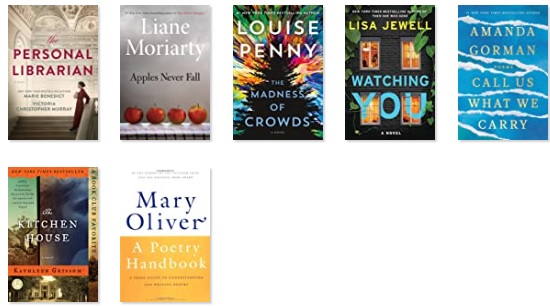
#19) Apples Never Fall by Liane Moriarty (2021): Moriarty is for the middle-aged woman what Dickens was for Victorian orphans. I always connect with her memorable characters, and I appreciate the darker side of her tales. This novel is about the Delaney family, the members of which love each other but might also want to kill each other, too. ♥♥♥♥

#20) Sea of Tranquility by Emily St. John Mandel (2022): Strange, lovely, and provocative, this book bends time and broke my brain, which I loved. Books that make me want to stay wide awake and look alive to keep track of the clues and the characters are always winners with me. Futuristic stories are not my jam, but the story and connections of the characters in the future hellscape Mandel created helped me see beyond the genre. ♥♥♥♥

#21) Vladimir by Julia May Jones (2022). This is a dark comedy about sexual relations in a sleepy college’s English department. I laughed. I gaped. I yelled, “NO WAY!” The story is hilarious and crazy. A book way out of my reading lane, but I’m glad I swerved to read it. ♥♥♥♥

The Good..

Wintering: The Power of Retreat in Difficult Times by Katherine May (2020): This book did not make me love winter weather, but it was a thought-provoking book about wintering—for the season, for an illness, or for a deliberate stepping away from the world to find peace. The story of May’s own break during an illness will give me the courage to look at my wintering in 2023, during the winter months of January and February, quite differently, not as a banishment from the bad weather but as a time to rest, reflect, and renew my spirit, while keeping warm inside my cozy bungalow. “Life meanders like a path through the woods,” writes May. “We have seasons when we flourish and seasons when the leaves fall from us, revealing our bare bones. Given time, they will grow again.” Good advice, dear woman, and thank you for it. ♥♥♥

The Friend by Sigrid Nunez (2018): Intriguing. Strange, in a good way. Descriptions call it a novel about grief and love and dogs. But I think it’s more of a novel about how to write a novel from life and a story about unusual people. ♥♥♥

Call Us What We Carry: Poems by Amanda Gorman (2022): Gorman’s melody is clear and crisp and all her own. There is brilliance in this volume, but the poems are uneven; some are lost, a little off Gorman’s beat, others are a symphony of emotion and truth. She is a talented, intuitive young poet, and I will read whatever she offers. ♥♥♥

French Braid by Anne Tyler (2022): Not the best Anne Tyler novel by far, but even a mediocre novel by her is better than many great novels by other novelists. This book, which is the story of Garrett family and a family vacation in 1959, has all of the charm Tyler always breathes into the lives of her ordinary, yet eccentric, families. It is a joyful story she plaits here, about the fun and foibles of family. ♥♥♥

Eating the Sun: Small Musing on a Vast Universe by Ella Frances Sanders (2019): This little book is a perky and poetic collection of musings on science, our bodies, and the natural world. Great writing that makes science accessible always makes me happy, and when there are small stories within the big stories imagined in the telling, which there are here, all the better. ♥♥♥

Family Remains by Lisa Jewell (2022): A family murder mystery about secrets and lies, this thriller is fast, fun, and twisted. It is delicious junk food with no nutritional value whatsoever, like greasy potato chips you keep eating until the bag is empty. ♥♥♥

Then She Was Gone by Lisa Jewell (2017): The premise of this book is as dark as I’ve ever read—a missing child. I should not have read it. It was too painful. Too close. But I couldn’t stop turning the pages, which is the happy danger of a good thriller, right? The author also provided some of the truest observations on grief I’ve ever read, in fiction or nonfiction, like this one: “Losing a child ages you faster than a lifetime spent chain smoking on a beach.” ♥♥♥

The Nature of Fragile Things by Susan Meissner (2022). Set in the aftermath of the 1906 San Francisco earthquake, the story is an engaging one focused on the life of an Irish immigrant who is a mail-order bride and the way in which a horrible natural disaster set her free. I enjoyed the story and the pace, but I suspect the characters and the details will quickly melt away from memory. A tad better than junk food, but far from a memorable meal. ♥♥♥

The Madness of Crowds by Louise Penny (2021): I listened to this seventeenth instalment of the Inspector Gamache series (which has had two excellent narrators). I love this series for the artful unwinding of a mystery, the delightful Three Pines characters, and the literary, historical, and cultural references Penny always supplies. ♥♥♥

Watching You by Lisa Jewell (2018): This is a creepy story set in a swanky neighborhood of Bristol, England. Are the characters what they seem or something dark hiding beyond appearances? I thought I cracked this mystery in Chapter 60, but I was so wrong; and I love that! ♥♥♥

The Kitchen House by Kathleen Grissom (2010): I picked up a copy of this book while I was swapping books from my Little Free Library with another Little Free Library in town. It was a decent story with passable historical context. I admit that as a historian of race, it is hard for  me to read fictional stories about slavery in the American South. I am too critical, I suppose. The enslaved women in this story, however, are compelling, with souls that soar beyond the horrible circumstances of their physical lives. ♥♥♥

Invisible Girl by Lisa Jewell (2020): This is a solid thriller with an interesting plot about a lost guy who leans toward creepy and becomes embroiled in a mysterious disappearance. I discovered Lisa Jewell this year and read four of her novels. I like her style of unveiling a story, and her books helped me escape this year. Jewell is a page-turning master, but the downside of thrillers like this one, however, is that while they take me away, I seldom return home with any of the characters with whom I traveled. ♥♥♥

A Poetry Handbook: A Prose Guide to Understanding and Writing Poetry by Mary Oliver (1994): I fancy myself a poet, a bad poet of course, but a poet nonetheless. I picked up this old book in an effort to become a better poet. There are useful nuggets in this slim volume, but I refuse to accept Oliver’s opening statement: “Everyone knows that poets are born and not made in school.” I love Oliver’s poems, but I finished this guide feeling very disgruntled with her. ♥♥♥

The Hangman by Louise Penny (2010): This is a novella of the Inspector Gamache series I somehow missed. I listed to the audio book one night while I ate a leisurely dinner. Love, love, love Penny’s characters, and her style shined through even in this short murder mystery.

The Pretty Good…

The Hunting Party by Lucy Foley (2018): This story is set in the Scottish highlands, which is half the fun, and it swept me away on the winds. But, if I’m honest, I cannot remember a damned thing about it. Reading Foley is kind of like eating sugar all day and going to bed starving. ♥♥

Marrying the Ketchups by Jennifer Close (2022): I selected this novel because it was set in Oak Park, Illinois, a town with which I am very familiar. It is the story of a family of big personalities whose lives revolve around the family restaurant. The members of the family experience a catharsis when their patriarch dies and the Cubs win the World Series. It is a decent light summer read, offering a few giggles and some observations about bad omens, like what happens when the Cubs finally win and Donald Trump wins the Presidency. ♥♥

The Subtle Art of Not Giving a F*ck by Mark Manson (2016): I would not normally choose a philosophy-of-life book written by a millennial man, but it was recommended so I gave it a listen. There was some wisdom within it, and I jotted down in my journal a couple of golden nuggets, but it ruined my affection for the word fuck. Now instead of dropping f-bombs I think I’ll switch to dropping oh-my-lands-bombs, instead. ♥♥

Klara and the Sun by Kazuo Ishiguro (2021): Artificial intelligence and friendship are the key themes of this odd story about what, I am not at all certain. A robot, yes. Teenagers, yes, but surely there is something else going on here in this book by the Nobel Laurette. I did not like this book, but perhaps I didn’t understand it. One heart for finishing the book, and a second heart because it confused me. ♥♥

The Guest List by Lucy Foley (2020): A wedding from hell could be the subtitle of this book. I enjoyed the audio version well enough, but even the mystic Irish landscape cannot forgive the outrageous coincidences employed to move the story. ♥♥

Love of My Life by Rosie Walsh (2022): A somewhat convoluted story about an obituary writer who discovers that his wife, the love of his life, is not who he thinks she is. The narrative is a little too slow to unwind, but the relationship at the heart of the story kept me reading, as did the main theme of the tension between the things human beings believe and the things they hide. ♥♥

Station Eleven by Emily St. John Mandel (2014): Did I love this book? No. Did I like it? I suppose I did. Kind of. I read it because I enjoyed Sea of Tranquility. Station Eleven is the story of what happens to a handful of people after a flu pandemic kills off most of the human population. I do not care for dystopian scenarios, but a couple of the characters in this one were compelling enough for two hearts.

The Messy Lives of Book People by Phaedra Patrick (2022): This is a cockamamie story of a voracious reader and house cleaner who works for a best-selling novelist who dies and bequeaths the house cleaner to finish her last novel. Hmm. I listened to the audio version of this book, and I think I might have liked it better if I had read it. The reader was fine in the main voice, but the voice she used for men scratched my nerves. Patrick’s story was zany and she is a good writer, but this book lacked the flit and the flare of The Library of the Lost and Found. ♥♥

The Night She Disappeared by Lisa Jewell (2021): This book about a young mother who goes missing offered me a good summer read for the porch and hard liquor. But one of the villains, who is a mother, was unbelievable to me. In fact, now I think about it, all of the characters were a bit off the mark. I hold all books I read to a high standard in terms of character development, and this thriller missed the mark by a kilometer. ♥♥

The Binding by Bridgett Collins: Slow, slow, slow burn this novel, with enough flame to keep you reading but by the end you are rubbing your hands together in front of the dying embers. Imaginative, I suppose, this fantastical story about how books are the stories of real people, bound to forget and for profit. One heart for the premise and another because I finished a mediocre 448-page novel about bad men. The story is kind of good, but the writing is awful, with sentences like “They laugh, like machines clanking.”  ♥♥

The Book of Two Ways by Jodi Picoult (2020): Starts strong, naps like a sleeping baby in the middle, and then falls from the sky, like the narrator’s airplane, landing with a thud. One heart because it was about an ancient book and Egyptology and another because I hoped Picoult might bring it in for a crash landing. She did not. Picoult is a popular writer, but she has disappointed me for the very last time. ♥♥

The Sisters of Glass Ferry by Kim Michele Richardson (2018): This novel followings the story of sisters in the South, whiskey, and family secrets. It is good, perhaps, if you like southern gothic. I do not. Nope. Not even Faulkner works for me. ♥♥

The Paris Apartment by Lisa Foley (2022): Far-fetched and disappointing, another best seller that left me cold. This novel is the story unlikeable people who lie and swindle. I finished the book to see what happened to Ben, even though he’s kind of a shit (although less so than the others), but this is a formula thriller that made me feel led by the nose. I wasn’t compelled by the characters and couldn’t get lost in the suspense like I did in the author’s other books. ♥

The Good Left Undone by Adriana Trigiani (2022): Too damn slow to unwind, this family epic set in Italy was disjointed and disappointing. The matriarch at the center of the story is somewhat compelling as a character, but the plot progress was contrived, and that letter at the end, a lame effort to wrap it all up, is the proof that I am right in my assessment. Whoever recommended this book to me, please wait a full year before recommending another one. Even though I can’t remember who you are, I’m mad at you. ♥

And the Truly Awful …

The Maidens by Alex Michaelides (2021): Not sure why I read this at all—a book about a male professor who collects women, one of whom ends up dead, will never be my cup of tea. The audio version was engaging enough to keep me listening, but I actively disliked the story and the characters. Don’t read it, but if you do read it tell me what you think. Maybe I missed something? ♥

The Private Librarian by Marie Benedict (2021): Oof. This book was a disappointment. I was excited about it because it followed the glamorous story of the female librarian J. P. Morgan hired to curate a collection for the Pierpont Morgan Library in New York City. Had I been reading it, I would have bailed, but since I was listening to the audio version and could walk or work on a jigsaw puzzle while I listened, I finished it. The main character is lacking, there is too much telling and not enough showing, and the dialogue is too modern. If you like good historical fiction, avoid this book. ♥

The Nightingale by Kristin Hannah (2015). Yikes. Couldn’t finish this one, because nothing about it was historical. Hannah frustrates me. She is a good story teller and a decent writer, but some of her historical fiction, like this one that opens in France in 1939, is truly awful. Sorry. I realize she is beloved, but she has a lot of explaining to do about this WWII bomb.

Love Ratings

♥  Finished the book. I give books about 25 pages, and if I finish a book it gets at least one heart.

♥♥  Pretty good story, writing meh.

♥♥♥  Solid writing. Good story. Enjoyable, useful and/or important.

♥♥♥♥ Excellent writing and story. Taught me something or took me away and I was happy to go.

♥♥♥♥♥ Wonderful. Breathtaking. A book for my lifetime master list of great books.

Ice Cream, Grief, and Becoming

Dear Mack,

I had vanilla ice cream for dinner the other night at 9 p.m. I drizzled it with local honey and topped it with salted, roasted peanuts. I convinced myself it was food, an easy meal that would fill me up for the night. I was too tired to cook, too beaten up by the first day of October, a month that has haunted me since you left us. Anyway, I thought ice cream with nuts made the meal at least a notch above junk food. Not so bad, I lied to myself while I plopped the three small scoops into the bowl and added the toppings. When I added the whipped cream from the pressurized can, piling it up above the sides of the bowl, my “meal” went the way of indulgence, unwise for a lactose intolerant, middle-aged woman who should not eat anything so late, let alone ice cream.

But, of course, you showed up and nudged me, your face in my mind’s eye and your voice in my ear. “Eat it, Momma Bear,” you whispered. “Just do it.”

The ice cream was delicious, and I enjoyed it, even as I cursed myself for eating it so late. It tasted like a Payday candy bar. I love Paydays! Remember those, Mack? I often had one in my handbag when we were traveling all over the world for your basketball games. In the absence of gummy worms or sour Warheads, you would eat a Payday, in a pinch, even though you said you hated peanuts. Like you said you hated oats but always asked me to bake oatmeal cookies with dried cranberries. Like I say I hate ice cream because I hate milk, but I eat it often anyway because it is delightful and worth a little tummy ache.

You always come to me when I want to break my rigid rules, when I am pausing before something I enjoy, trying to talk myself out of it because I think I should. You help me see my truth and embrace it. You come to me almost every day, and you come for a million reasons, but when you come to absolve me of useless guilt and regret for being human, I am particularly grateful.

You are looking at me right now, smirking from the other side of my laptop screen. You’re giving me your crooked grin and shaking your head because I’ve spent too much time worrying about eating that late-night ice cream, and now, here I am, writing about it. Life is too short for lament, you say. Your stomach got over it and your heart was happy eating that ice cream, you say. I know you are right, but I cannot do it alone. I need backup. I need you. I will always need you.

You won’t want to hear this, Mack, but I am still grieving the loss of you. In that grief, I fight each day to live, and I power the struggle with my desire to make you proud. And because of you, because of my promise to you, I eat ice cream. I daydream on Sunday afternoons in a rocking chair on the porch when I should be doing the laundry or scrubbing a sink. I laugh out loud at myself when I trip on my own feet or bump my head on a kitchen cabinet I left open. I stop in my tracks to smile and giggle when some human absurdity catches my attention—like a middle-aged man walking down the street with his white socks pulled up over his calves, or pumpkin-spiced everything at the grocery store, or Pepper waking me up for a sip of water from the cup I keep for her on the bedside table. I know you are happy I can find laughter in this silly stuff, which lightens the burden of missing you. And I know the silly stuff is what gives me my best chance to see myself through the sorrow, to show me I need to go a little easy on myself.

You might like knowing that you taught me how to find joy, humor, and perspective. You continue to teach me these precious skills on which I must work but to you came naturally. You keep my serious in check, Mack, reminding me to laugh out loud every day if I can, especially on the days when all I really want to do is cry. You enable ice cream and pass no judgment. You are my guide in grace and gratitude and gusto; and all the positive attitude I am able to muster is all you, baby girl.

It would please you to know that am healthier than I was two years ago when I began charting a path all my own. I am becoming the human I need to be to live without you, to be independent, to put myself out there, and to find the right balance of productivity and pleasure, purpose and peace. I am still up and down, a little sideways, off and on, lonely, and uncertain. I am a work in never-ending progress. I still stand on wobbling legs, my heart skipping occasional beats to the broken rhythm of grief; and my progress of becoming is slower than I would like it to be. But my becoming is in progress, your spirit keeps me grounded, and though I don’t know where the path will lead me, I am walking there with you. I am moving forward in my remaking, in my becoming, and I am making a wish of it in honor of you.

A day without you is an eternity. Seven years? Infinity beyond an eternity.

And that is why I keep you with me. You are with me now and always. You are still laughing at me, making it a mission to keep me in balance. You are still lighting up what passes for my life without you.

You are not gone, my darling girl. You are here for ice cream. You are here to temper my grief. You are here to witness my becoming. No, you are here to be a part of my becoming.

You are here. You are here. You are here.

My New Spirit Place

In the shade beneath the feathery emerald branches of a weeping white pine in a secret garden, I closed my eyes. My yearning for the spirit therapy of the dawn redwoods I left behind, along with the rest of my life in St. Louis, was quiet. I had arrived at the new altar of my peace. I breathed in the joyful air of finding a treasure, and I exhaled the end of a two-year search—or, rather, a waiting—for a new spirit place.

I am curating a new life and redefining peace for myself in a charming, craftsman bungalow on a corner lot in a sleepy college town. It is still a restless, sorrowful, lonely journey, but I am well most days and comfortably tethered to the earth. But now that I have found The Whiteside Garden, I have a place for my spirit to wander, for my mind to wonder, and for my heart to continue its journey of healing. I finally have a place to contemplate life, to contend with grief, and to get the hell out of my head for an hour or two each week, away from home. A place to amble and write and commune with trees.

I extract a great deal of the vitamins I need to be emotionally healthy by tending to my old house, reading on my breezy, shady porch, and spending meditative time in the yoga garden I created all by myself. But I have spent two years looking for a replacement for my health-giving, Wednesday morning strolls through the Missouri Botanical Garden. I’ve spent two years pining (pun here intended) for a place that is serene but engaging, bright and shady and lovely, restorative and transcendent. The Lake Charleston trails are too rugged, the sidewalks of my historic neighborhood too noisy, the college campus too populated with ghosts of the past, and the bike trail, although vibrant with wildflowers and butterflies, too unsheltered from the punishing Midwestern sun.

The dawn redwoods and the Missouri Botanical Garden helped me begin my spirit’s healing. And now the weeping white pines and The Whiteside Garden, just two miles east of my new home, will tend to my spirit going forward.

Who knew I only needed to get in my car and drive across a state highway and a corn field, to find my new spirit place? It’s funny how simple the remedies for our sorrows often are. Funnier still how long it sometimes takes to find precisely what we need, although the remedy is so close, within shouting distance, or just around the corner. And isn’t it frustrating that some of our remedies, the life-altering, precious, restorative life medicine we need is often hidden behind an experience or acquaintance that has not, as yet, crossed our path? Is it not unfair that we must sometimes wait for that remedy to emerge from the randomness of life, from serendipity and stupid luck?

Oh, that life is short and still we must be patient.

The planets do not align for our singular benefit, but sometimes we do win the universe’s lottery. In fact, I find it to be mostly true that the elixirs and balms that have helped me to survive my grief have found me when I wasn’t looking. It is no surprise to me that I would find my new spirit place by happenstance. That at yoga one Friday morning at the end of summer I would meet a woman, and that the yoga teacher would introduce us and tell her I was new to the area. That the woman would give me her docent elevator pitch for The Whiteside Garden. That I would venture out into a dangerous heat wave to visit the garden later that morning. That a weeping white pine would greet me like I had known her my entire life. That I would stand under her gentle branches, sheltered in the impossible coolness beneath them, and know that my spirit was home.

The Whiteside Garden, the lifelong labor of love of Eastern Illinois University botany professor Wesley Whiteside, is small and charming, hemmed in by a busy state highway and central Illinois fields of corn and soybeans. Yet to me, it a grand thing, a majestic replacement for my beloved Missouri Botanical Garden. The weeping white pine a gracious gift to fill the void of the dawn redwoods. This glorious new spirit place is the perfect size, the perfect setting, for me right now, where I am in time and space, where I am in my journey of healing. Opened to the public just three months ago, The Whiteside Garden is also a new kid in town, just like me. Yet, as Professor Whiteside, who died in 2015, began cultivating the gardens surrounding his home in the early 1960s, before I was born, his legacy garden will be a wise teacher.


Winter Ughs and Uggs

Winter coming on as a global pandemic heats up is a one-two punch to my gut. Even winters passed with dear friends in warm kitchens and cozy pubs doesn’t melt the ice between me and the jerk Old Man Winter. The bitter air, the sleet and snow, the short days and the overcast skies, and turtlenecks and fleece that make my thin hair fly out kooky away from head make me grumpy. Seasonal Affective Disorder is not fake news. I get it every year. Black Friday means red-hot shopping deals for most people, but for me Black Friday means the arrival of my winter blues.

I hate the cold months. I abhor snow flurries. And as a daily pedestrian, I abominate sidewalk skating rinks created when an Illinois winter storm can’t decide whether it prefers to drown me in freezing cold rain or bury me under the snow. I am a sun worshipping, flip-flop wearing woman who loves to sweat and to bake my skin in the heat of a muggy Midwestern summer. I like my arms free of sleeves. I want to live every day in bare feet without socks and shoes hindering the wiggling of my painted toes. I love my freckles, bursting in July and August, when tomatoes are ripe and cold beer beats the heat at a backyard cookout with friends.

Summer is my season, and Thanksgiving, otherwise known as the American launch of Christmas, marks the end of it. No more Indian summers to keep me in denial. Thanksgiving fills up my belly with my sister’s wonderful food all jacked up on carbs and calories, but it leaves my summer-loving heart bitter and empty. Every year, just as the Thanksgiving sun sets and I’m falling into a food coma, winter shows up. It watches me get all liquored and fooded up on Thanksgiving, and as if to smite me—because that’s the kind of season winter is, a smiting season—it moves in while I am weak and whining about how much unhealthy food I have just consumed. And then, that jerk throws his winter blues at me when I’m too fat to get out of the way.

I don’t have a lot of coping strategies for my winter blues. My way is to cry about the cold, badmouth sledding and snow angels, and blame winter for my bah humbugging of Christmas. All of the standard winter rituals get me down. But there is one personal winter ritual that doesn’t completely ruin my life: the rotation of shoes in my closet. I put away my flip flops and Birkenstocks and hiking sandals, because they cannot make me happy when the temperatures drop into the thirties. I pull out my embarrassingly extravagant collection of Ugg boots. When the weather turns cold and wet in the days after Thanksgiving, and the furnace has kicked on to stay on for the next three and a half months, I slip my feet into a pair of my beloved, shearling-lined Uggs.

Ahhh. Toasty and warm. Uggs give me a spirit power. Uggs are my way of sticking up my middle finger to winter. The first feeling of this ritual cuddling of my feet makes me smile. It makes my toes and my heart toasty warm. I know I will still curse the winter, swear at every flurry that flies. But I also know that my feet will be luxuriously warm all winter while I dream about next summer.

Holidays are hard without Mack. This year I also had to endure Thanksgiving without Savannah and her husband Levi, without my mom and her husband Mike, and without my friend Dan, who has been joining our feast for years. Grief is always a challenge, but in a pandemic it has tested the limits of my ability to cope. Thank goodness for my sister Tracy, who fed me, albeit in the driveway at a healthy distance from her and my brother-in-law Jason and their daughter Zoe.
I did enjoy a couple of holiday cocktails, including this gin and jam with fresh cranberry sauce and rosemary. I toasted Mack, like I always do, after curating my perfect last bite in her honor: homemade egg noodles, mashed potatoes, and a dab of fresh cranberry sauce.

Mums and Memories

ghost white mums in the garden, tinting to purple, hinting of MACKENZIE and the day I lost her, six years ago wednesday.

ghost white mums in the sunshine, embracing the autumn, while I brace for grief the color of milestones in hues of dark days.

mums and ghosts in the garden, tinting my memories, hinting of MACKENZIE, the love and the joy of her, forever from sunday.

That face—forever.

Ode to My Silver Maple

The tree in my backyard is going away. She’s a silver maple, 70-feet or so in height, stretched out wide across the lawn, her branches heavy with shiny, lush ivy. She’s been standing in her spot, growing up and out for more than thirty years, shading the back side of my 1919 bungalow and sheltering generations of wildlife families. Her presence in the yard was not a factor in my decision to buy this old house last fall, but when I first toured the property and stood under her cooling canopy on that muggy August afternoon, I pictured summer evening meals with friends beneath her leafy umbrella. I certainly had no plans until recently to kill her.img_1632

She’s not dead or rotting, and she’s not that old, either. But she’s a tree-quirky thing and potentially dangerous. Her codependent trunk, with its five enormous branches, and her daring proximity to my backdoor make her a menace, “unfit for a small yard” said two arborists who sealed her fate with pronouncements of eventual doom. “She’s gonna come down at some point,” said one of them, “and she might take out your house in the bargain.”

Her massive limbs reach halfway across my roof and also threaten the cottage behind me, along with the back porches of the old, historic homes on either side of my house. She’s on borrowed time in her uprightness, vulnerable to injury by a lightning strike or by heavy winds in thunderstorms, which are frequent on the Illinois prairie. It is better to bring her down peacefully and to keep the insurance companies out of it. In my head, removing the tree is a smart choice. In my heart, I feel a little bit like a murderer. Unlike the arborist who is cutting her down for a king’s ransom, I cannot take such a purposeful felling lightly. I feel the natural as well as the unnatural weight of responsibility for the tree’s demise. I have even shed tears over my decision, not only for the dent her removal is putting in my savings account, but also for the loss of the tree’s beauty and for the well-being of her current inhabitants.

There is a red squirrel, a fat one with a fabulous tail, who I see most mornings from my bathroom window, as she is perched on one of the tree’s outstretched branches. That squirrel is a friendly neighbor, and I cannot explain to her that her home will be soon be destroyed. What will the warbling vireos do now but move on down the street, perhaps too far away for me to hear their lively, insistent singing. I expect, as well, to lose my regular midnight visits from the barred owl, who coos high up in the silver maple’s branches. I’m less remorseful about the fate of a colony of five million box elder bugs living in and around the tree, but my heart aches for the nesting cardinals who will not return to my back garden in the spring.

img_1634Seeking professional advice on the tree and deciding to defer to the expertise of arborists forced me to overrule the faintness of my heart to kill such a large, living creature. Instead of dwelling on my nature-loving feelings for the tree, I’ve been thinking about all the hours I will be able to read instead of raking her fall leaves and her damnable helicopter-seed pods. I’ve imagined all the herbs I will be able to grow next summer, just outside of the back door, where the sunshine will paint the yard in the place of the deep shadows cast in the last living summer of my silver maple. It will be lovely, I remind myself, to fall asleep to the rolling thunder of a storm instead of being frantic and awake, waiting for the tree to crash down through the roof and kill me and the dogs in our own bed.

Yes, yes, I know, I know. It’s just a tree, and I’ve never been that much of a treehugger anyway. She is a tree, I agree. But is a tree really just a tree? Isn’t a tree also a beautiful, green, living thing, cleansing the air, providing shade, sheltering wildlife, and connecting us to the earth? My tree has lived well and fulfilled her promise, providing fast growing shade and massive sanctuary for birdsong. I think she is deserving of this ode, because it is not her fault a previous owner of my house planted her so thoughtlessly. I honor her utility and grace and beauty; and when the chainsaw makes its first assault upon her bark, I will feel the pain of it.

I suspect, however, that it will take me far more time to recover from the size of the check I will write to pay for the tree’s removal than from the size of the space the tree will vacate in my back garden. Perhaps the high cost of removing a 70-foot silver maple is a penance for murdering her. Perhaps the economic pain of this felling will help me ease some of the heartache of losing the tree and the shade and the birds, as well.