My dad died twenty-five years ago today, and I’m still processing the loss of him. He was a large presence in every room he ever occupied, and still my life feels too quiet without him.
Last week, a childhood friend of mine who was very close to my dad texted me some photos from the 1980s, photos of my dad that he had run across while moving some boxes in his office. How funny these photos appearing on the eve of the twenty-fifth year of Earth without Jim Pratt. What good timing the appearance of these long-lost photographs.
The spirits of our dead have the power to find us. Or we have the power to find them when we need them. However you choose to see it or believe, these reunions are undeniable.
When my dad died in 2001, I was a stressed-out and overworked thirty-four-year old wife and mother of young children. I worked full time, was building a career as a historian, and was a doctoral student. I didn’t have time to pee, let alone process my grief. I administered my dad’s estate, but I didn’t have time to tend to my heart. It was an enormous sorrow to lose my fifty-seven-year-old father, but I didn’t know how to step off the treadmill. I missed my dad. I talked to him. His spirit walked me through every big decision. But life, as it always does, moved on, and I moved on, too, without a proper period of grieving. I didn’t take time to be still long enough to tend to my loss, and so I never really grieved.
The years sailed by, and then Mack died in 2014.
And then, for me, the world stood unbearably still.
I had to be still, and I let myself fall into the arms of my grief. Losing a parent is expected, but losing a child is not supposed to happen, and if you do not stop to grieve the loss of a child the pain of it will kill you. All I did for the next four years after Mack died was grieve. I grieved for Mack. I grieved for me. I grieved for our family, especially Savannah who was now an only child. I grieved for all of Mack’s friends and all of the people who would never get to know her.
And I grieved for my dad.
Finally.
And still.
I am grieving.
Life has moved on, it is still moving on. Without my daughter. Without my dad.
But now I know that when grief steps in I need to slow down. To soften. To be still. To sit in the fire. To process my pain and then make my peace with it.
Because during the last three years, and particularly the last seven months, I have been learning to be still. Practicing stillness and presence. Practicing sitting with my feelings, processing joy on the good days and grief on the sad days, and finding contentment despite my losses.
For my dad, I’ve been sitting still all week. Twenty-five years seems forever ago, but my memories are vivid like yesterday. All week I’ve been sitting with my dad and sitting with Mack, and my favorite grandmother who died in 1993, and some of the bitterness of past disappointments that have lingered in my bones. Grief is funny that way when you are still. It has a habit of bubbling up to the surface from the various vacancies in your heart, testing you, keeping you honest, and making life real.
The nerf basketball hoop was stuck to the sliding-glass door just off the kitchen, and separating the great room of our house from the swimming pool. It was serious business, basketball at that hoop. Here is Jim dunking and my friend Scott cheering him on.This is classic Jim Pratt. Relaxed. A Pepsi at hand. Shit-eating grin on his face, likely because he kicked somebody’s ass at a game or an argument.
These are two of the photos my friend sent to me. Both made me laugh. Both made me cry. Grateful for both emotions and a little time to sit still with them and remember. Thanks, Matt, for sharing them.
Time has not healed my heart from the loss of Mackenzie. Acceptance did not soothe my spirit from the pain of her absence. Family and friends and dogs are some days no remedy whatsoever for my yearning for her freckled face, her silly jokes, and her unflappable ease. Work, writing, and art have not filled the void she left. Six years of therapy has not ended my grief. My daily practice of yoga and meditation has not altered my status as a bereaved mother.
But
Yet
Despite the limitations of all these remedies, and because of them, I can sit still in the presence of Mack’s absence and my grief. Even on her birthday. I can hold all the pain and all the longing and still be present in my life and live on for Mack, for Savannah, and for me.
Because
Time keeps teaching me how to tend to a fragile heart. Acceptance is the license for my spirit to keep on marching forward. Family and friends and dogs remind me every day that a broken heart and a shattered spirit can still know love and joy and connection to things beyond the self. Work, writing, and art give me purpose. Therapy offers me perspective and dispassionately guides my emotional and mental well-being. My daily practice of yoga and meditation has shown me that bereaved mother is not the entirety of my being and that I can choose to suffer or not suffer and that Mack would be so sad to know that I have suffered.
Time, acceptance, family, friends, dogs, work, writing, art, therapy, yoga, and meditation have nourished my body, mind, and spirit in beautiful and different ways. They have each tended to my tender heart. They have made me resilient and courageous, qualities that have healed my suffering. I know now that I need to be soft as well as strong. That bending is not weakness. To feel my pain is to be able to witness the pain of others. That life is hard. That to be open-hearted might break you but that being open-hearted is the only way to travel this terrifying, beautiful human journey.
Mack knew all of this. She was only twenty, but she knew.
And now I know what she knew, and I am free. Not free of missing her. Not free of the pain of my grief. Rather I am free to miss her, free to feel the pain of my grief however I need to, and also free to live a joyful life that would make her proud. She would be so happy to know that her once stressed-out, hard-nosed, unhappy momma bear is finally content.
On this Mack Day, what would have been my remarkable daughter’s 32nd birthday, I am grateful for her. I am grateful for time and acceptance as well as my yoga and meditation practice. I am grateful for a cozy house and a comfortable life with access to therapy and yoga classes. I am so damned lucky in family and friends and dogs. I am grateful for the peaceful life I have painstakingly curated and for intellectually stimulating work and a creative life that keeps me challenged. I am grateful to have made it to 59, through more than eleven years now without Mack. I am grateful to still be learning and growing while at the same time content with where I am and who I am right now.
I am a different woman than I was before my life was shattered in October 2014. Better in many ways. Softer and more tolerant. Less hard on myself and less bitter about the world. I like myself so much more than I ever did before Mack died. It is hard to know that surviving trauma with grace results in an improved human being on the other side. I would do anything to have avoided that trauma, and if it was within my power I would take Mack back in a second and give up my evolution. I would always choose her over me. Alas, I must simply be grateful that Mack’s spirit inspired me to survive my terrible loss by choosing the light in me instead of the darkness.
Mack was ever the light. So as long as there are Mack Days as well as ordinary Tuesdays, and as long as there is breath in my body, I will endeavor to keep choosing the light.
On Mack Day it is easier on my heart to remember Mack as a kid. She loved having a St. Patrick’s Day birthday and embraced the leprechaun inside of her. The photo of Mack dressed for Halloween is one of my favorites. The watercolor painting above I’ve posted before, but I think it captures the dancing light of Mack’s spirit as I knew it and see it now.
Studying yoga is teaching me to let go, to stop clinging to the past, to acknowledge but also to release old versions of myself. This mixed-media self-portrait is the first of a series I am calling Past Lives, representing identities that served me and shaped me, but no longer rule me nor define my inner peace. Through Svadhyaya (Sanskrit for self-study), I am doing the hard work of finding and speaking my personal truth.
I was a Lincoln scholar for thirty years, I edited his papers, wrote a biography of his wife, appeared in documentaries, served on boards, and delivered dozens of lectures and speeches. Studying Lincoln paid the bills, provided my growing family with health insurance, and allowed me to collect some of the best people. Studying Lincoln was a joy and a privilege.
Yet being a woman in Lincoln studies was not easy. I was unwelcome. My focus on the women in Lincoln’s life and my defense of his wife Mary Lincoln sometimes made me a pariah. There were painful experiences during my tenure as a Lincoln scholar and, in the end, when the Papers of Abraham Lincoln fell apart, it was devastating.
I have no regrets about any of it, because all of my experiences led to the publication of Loving Lincoln: A Personal History of the Women Who Shaped Lincoln’s Life and Legacy. Published in 2025 by SIU Press, it blurs the boundaries of biography and memoir, history and personal history. It was written straight out of my heart, the most creative project I ever accomplished and some of the best writing I’ve ever done. All of my experiences in Lincoln studies made the writing of such a creative work possible, and I am grateful for all of it. I am the woman and scholar I am today because of my imperfect professional relationship with Lincoln studies and my inspirational relationship with Abraham Lincoln, the second coolest American hero.
However, as I work to release my true self, live in the moment, and face a different future than I previously imagined, I need to let go. Now that I have published my book on Abraham Lincoln and given voice to my unique perspective of his life and his legacy, I am ready to move on, to turn my entire professional attention to Jane Addams, the coolest American hero.
More shedding to come, more identities to process and to release. More art and more writing, too. And, most importantly perhaps, more grace.
To say that 2025 was a busy year for me would be an understatement of literary proportion. I published my book Loving Lincoln, a project into which I poured my entire heart and spent six months promoting, giving book talks and lectures, book signings, online interviews and podcasts, and spending a magical week at the Chautauqua Institution in New York. I finished editing The Selected Papers of Jane Addams, Volume 4, Moving Beyond Hull-House, which will be published by University of Illinois Press in spring 2026. I also was busy doing preliminary work on a new creative project, picking a little at a novel I’ve been writing (it’s up to sixty-eight mostly dreadful pages), publishing nineteen essays on my personal and work blogs, and submitting an illustrated letter to a cool Substack publication called Letters to Dead Authors and Artists, which will be published in March.
It has been a productive, fulfilling, thrilling, and wonderfully exhausting year. Yet no matter how busy I was throughout the year, I was never too busy for reading or listening to an audio book. A friend of mine recently sent me a pair of socks that says “This Bitch Reads.”
I am guilty as charged. This bitch reads.
On top of all the daily reading I did for my day job as associate editor of the Jane Addams Papers, for a yoga teacher training course I started in August and will conclude in February, and all the political reading I do each week, I met my 2025 leisure reading goal. With more than a day to spare, I read fifty-two books (one book a week is my reading sweet spot), finishing the last book on December 30 at 2:35 p.m. I started 2025 with a book of poetry by Kate Baer, which was a 2024 Christmas gift from a favorite reading friend of mine; and I ended the year with a book of poetry by Kate Baer, a 2025 birthday gift from the same friend. This year I read thirty-seven novels, six memoirs, four works of nonfiction, three poetry collections, and two biographies. Eleven of the novels were historical fiction, my favorite genre. Five books had one-word titles, seven books made me sob, and nine books made me laugh out loud. Three of the books are going on my all-time favorite books list (numbers 1, 2 & 3 below), and I read two clunkers; however, the vast majority of the books I read this year were great or very good, a better reading pool overall than the past couple of years.
In my leisure reading this year, I learned about the writing rituals of two of my favorite writers, the gendered construct of time, a wee bit about radium, and way more than I needed to know (but loved learning) about hares in the English countryside. I got inside the head of a middle-aged woman hiding away in a convent, went on an explorer’s adventure with an old woman looking for a rare beetle, traveled on a train through France, and got lost in another twisty plot in a delightfully dark Liane Moriarty novel. In my year of reading there was friendship, grief, love, women in the present, women in history, a scholar in the future, octopuses, dogs, and poems about women losing their damned minds but finding, always with great surprise, that they are resilient.
Here are my 52 books of 2025. And special thanks to my dogs Lady Bug and Dorothy Parker for starring in two of the book pictures that follow.
#1 Loving Lincoln by Stacy Lynn (2025) ❤️❤️❤️❤️❤️ Shameless to put my book first? No. Not really. Because it’s true, Loving Lincoln IS my favorite book of the year. It it representative of my soul, I live and breathe on so many of its pages, and it is some of the very best writing I have ever done. It may, in fact, be my favorite book of all time. At least for now, I do not want to tamper down my pride of it.
#2 The Correspondent by Virginia Evans (2025) ❤️❤️❤️❤️❤️ The Correspondent is breathtaking. On every page, this beautiful epistolary novel is pulsating with life, love and heartbreak, grit and grace. I have no adequate words to convey the perfection of this novel, at every level, the writing, the pace, the tone, the characters (oh my goddess, the characters!), and that patient, gentle unraveling of a mother’s grief, as the letters she writes over the years reveal all the layers of her heart. I first listened to the audio book, brilliantly produced with a large cast of great readers. When I finished well in advance of the fourteen days of my library loan of it, I immediately began listening to it again. I then purchased a hard copy of the book and read it a third time, this time reading slowly to bask in its radiant literary light. Yes. Instead of reading two different books, I read this book two extra times. The Correspondent is that damned good.
#3 There Are Rivers in the Sky by Elif Shafak (2024) ❤️❤️❤️❤️❤️ There are easy buoyant novels that carry us away. There is great literature that commands our attention and respect. And then there are those rare books of gorgeous words and grand imaginings that from the pen of a gifted writer become elemental. There are Rivers in the Sky is the latter, reaching far beyond the stories it tells of three human beings in three distinct historical settings, whose lives and histories are lost and found by the water. In this poetic, magical novel, the water is watching. A dispassionate observer, it holds all memory and knows all truth across the vast distances between beauty and cruelty, friend and foe, passion and power, right and wrong, past and present and future. History flows through time and space like water. History is water. Water is history. Always, no matter the form, the water is ever present. A raindrop on the head of an ancient king. A snowflake on the tongue of a swaddled baby in the gutter. A London rain drenching a young woman hesitant to be who she is in her heart. A flood. Water from a tap. A mighty river that never ceases to flow.
#4 Memorial Days by Geraldine Brooks (2025) ❤️❤️❤️❤️❤️ I am drawn to memoirs of grief, compelled to know how grieving people put suffering to words. Memorial Days is wise and journalistic, as excepted from Brooks, a former war correspondent; but it is also tender and vulnerable in its simplicity and its depth of feeling. While it is a wonderful grief memoir, inviting the reader into a broken heart, I enjoyed it even more for its invitation into the brain of a writer I have long admired. Brooks’ brilliance here is twofold—she opens a window to her thoughts as a gifted giver of words, and she bravely shares her story as a grieving widow. In the afterword, Brooks offers several observations about how American society makes loss and grief (a natural part of life) even harder by working to render it silent. In my own experience with grief and my hard-won acceptance of my melancholy, I know how true it is. “Our culture is averse to sad,” Brooks writes. “We want people to be happy. We are chagrined and slightly offended when they’re not. There is desire to cheer them up. And then, later, there will be a glancing at the wristwatch, a tapping of the foot if they cannot be cheered, if their grief is perceived to go on too long. I wish we could resist those things.” I, too, wish we could resist those things. And you can start by reading this memoir and I challenge you to let your tears flow freely as you turn every page.
#5 The Names by Florence Knapp (2025) ❤️❤️❤️❤️ This gorgeous, richly textured novel considers the question of the power of a name to determine the course of our lives. Cora is powerless, trapped in an abusive marriage, her light nearly extinguished. But what if she found the courage to defy her husband by choosing her own name for their infant son and giving him a chance to escape the tyranny of his father? Three names, three stories, three divergent futures. Across the thirty-five years of each imagining emerge the uncomfortable knots of family, the intergenerational trauma of domestic violence, and the ability of even the most broken spirits to find love and acceptance. Original, lyrical, laced with heartbreak and redemption, this novel offers some of the most beautiful writing I read all year.
#6 Miss Benson’s Beetle by Rachel Joyce (2020) ❤️❤️❤️❤️ This is the story of two broken women, Margery and Enid, who go on an impossible expedition to New Caledonia to find a gold beetle and who forge an unlikely friendship along the way. I am sorry I missed this book when it came out during the COVID pandemic. I could have then benefited from its quiet wit, matter-of-fact commentary on hardship and hope, and its nuggets of wisdom about life. “It occurred to Margery that this was how it was that, there was always darkness, and in this darkness was unspeakable suffering, and yet there were also the daily things—there was even the search for a gold beetle—and while they could not cancel the appalling horror they were as real.” This novel is full of adventure, laughter, dignity and indignity, courage, fear, resilience, suspense, sorrow, joy, and beetles. I laughed, I cried, I held my heart and danced with pompoms on my sandals and a pith helmet upon my head. Recommended by the brilliant writer Barbara Kingsolver on her Instagram, and now I recommend it to you!
#7 Stone Yard Devotional by Charlotte Wood (2025) ❤️❤️❤️❤️ Would that I could take leave of my life and hide myself away in reflection of all I cannot hold. But I am not the kind of person who could do the letting go required for such a journey. The protagonist checking out her life inspires both my envy and my disdain. What stories would you tell if there was only quiet and plagues of mice and stories of your past to haunt you? I am not sure what to think and to feel about this novel of grief and a woman who cannot cope unless she locks herself away in a convent, away from a life that most would be happy to live. But the writing here is poetry, the emotion is rain and sunshine, and the healing light of quiet is provocative and lonely and a fire in the hearth on a dark, cold night. Beautiful. Awful. And true.
#8 The River We Remember by William Kent Kruger (2023) ❤️❤️❤️❤️ This engaging novel is set in 1958 in rural Minnesota when World War II is well past but not done wreaking its terrible havoc. It is a novel about secrets and love, racism and community, and the choice human beings always have to do right by others, no matter the cruelties they themselves have endured. “We are all broken,” opines one of the characters in the novel; but how we choose to live with the broken pieces of ourselves and help others pick up their own shattered selves is the only thing, in the end, that truly matters. Kruger (a prolific writer I only discovered two years ago when I read This Tender Land) is a great writer who weaves stories that make you laugh and cry and catch your breath. This novel broke my heart; and I always appreciate a novel that makes me cry for compelling characters, a well-told story, and beautiful prose. “Our lives and the lives of those we love merge to create a river whose current carries us forward from our beginning to our end. Because we are only one part of the whole, the river each of us remembers is different, and there are many versions of the stories we tell about the past. In all of them there is truth, and in all of them a good deal of innocent misremembering.”
#9 The Paris Express by Emma Donoghue (2025) ❤️❤️❤️❤️ It is 1895. The historical setting and the novel are thrilling and textured. A train full of fascinating characters, richly detailed and representing all classes and qualities of people—among them a seasoned railroad engineer, an elderly Russian woman, a boy traveling alone who misses his stop, a Black American artist, a brilliant young medical student, a cabaret performer who refuses to remove her voluminous hat, an ambitious secretary traveling with her boss, and an anti-government radical with a mysterious lunchbox, still unopened way past noon. Suspense. Humanity. A train speeding toward Paris. A propulsive story speeding toward disaster. What more could any reader ever need or want?
#10 Writing Creativity and Soul by Sue Monk Kidd (2025) ❤️❤️❤️❤️ I admit that I am predisposed to love a book about writing written by a writer I admire. Writing Creativity and Soul was both a window to Kidd’s writing life and a bursting fountain of ideas, such as the inspiration of writing rituals, the value of creative loitering, and learning to have constructive conversations with self-doubt. The book left me with much to ponder, as I seek in 2026 to live a more creative and soulful life, focused on writing and art and telling stories. “When we are lost, when our world is full of brokenness,” Kidd writes, “it is stories that will re-create us.” Kidd offers insight on the crafting of stories and evidence from her life and in her writing of the power of stories to heal, to inspire, to lessen our burdens, and to tap into the collective heart. In the beginning of the book, Kidd defines “soul” as heart plus imagination. She offers a vivid description of the magic of that equation, which reminded me of the way I felt when I wrote my book Loving Lincoln. I felt the magic of writing with my soul, my unique blend of heart and imagination. This book—a memoir of writing—is written primarily for writers, but I suspect readers who love great writing will gain insight about the craft as well as the magic.
#11 Here One Moment by Liane Moriarty (2024) ❤️❤️❤️❤️ Who knew a book about death and grief and terrifying prognosticating could be so funny and sweet, light and dark, and fun?! This is Moriarty’s best work. The writing is so good and the original storytelling style makes for a crazy-good ride. Cherry, the daughter of a fortune teller, is a wonderfully imagined protagonist, and Moriarty is a master storyteller, unfolding Cherry’s life story among the stories of the people whose lives she upends when she predicts their deaths on a fateful flight from Hobart to Sydney. And peppered throughout this hefty, hearty novel are memorable nuggets about love and loss, family and friendships, life and death, chance and choices, and the truth that what we make of all of it is always within our own power to foretell.
#12 The Love Elixir of Augusta Stern by Lynda Cohen Loigman (2024) ❤️❤️❤️❤️ Currently, as I enter my own dotage, I tend to gravitate toward novels with mature female characters; and the prickly Augusta Stern is a good example of the literary women I love. She’s smart and ahead of her time but also vulnerable despite all the hard edges she constructed to protect herself from disappointment. Set in a Jewish neighborhood in 1920s Brooklyn and a southern Florida retirement community in the late 1980s, the novel tells the life story of a woman who lived a long and full professional life as a pharmacist but who spent sixty-two years missing the only man she ever loved. When Augusta is reunited with her lost love, the mystery of their parting unfolds, and she learns that age doesn’t change who you are in your heart and it is never too late to begin again. I am not a lover of romance novels, but this one was not sappy. It is an enjoyable human story with fascinating historical context—Jewish food and folk remedies, old fashioned drugstores, gangsters, and women breaking the rules.
The rest of the books I LOVED and highly recommend (but not in any particular order)
What Kind of Woman by Kate Baer (2020) ❤️❤️❤️❤️ The first book I read in 2025 was this collection of poetry. This visceral, sensible book of poetry is all about being a sensitive and strong woman in a crazy world. I could rant and rave, rage, and rattle on about what it is to be a woman. I could do it with drama and a tad of style and be, perhaps, somewhat persuasive about what this life gives women to carry. But nothing I could say in an hour of rambling could say better than what one of the quiet little poems in this collection says about the life of a woman. Poetry is power to carry us forward toward light and wisdom. Daughter, mother, sister, wife, lover, caregiver, brilliant and fucked up all in one fell swoop. We are women. We are life and death, fury and love, says Kate Baer. And we are here, dammit. And from the best author’s note ever: “Any resemblance to actual persons, living or dead, or actual events is either purely coincidental or an act of deep-seated revenge.”
How About Now by Kate Baer (2025) ❤️❤️❤️❤️ The last book I read in 2025 was Baer’s latest collection of poetry. As visceral and sensible as the collection above, but more nuanced and more soothing. In the five years between the two collections, the poet has not so much mellowed as she has wizened to the myth of women’s inferiority and is now matter-of-fact standing in her female power. Baer is less enraged, more accepting of the truth that we can control little in our lives and that we can (and should) let go of the ropes that bloody our palms holding on too tight. “The problem is the new life costs you the old one,” Baer opines. “How long it’s taken you to understand the difference between letting go and cutting through the rind.”
Lula Dean’s Little Free Library of Banned Books by Kirsten Miller (2024) ❤️❤️❤️❤️ Belly laughing hilarious but also drop dead serious, this novel tells the story of a small southern town in the grips of a book-banning controversy. Archenemies since high school, Lula Dean (the town crank) and Beverly Underwood (a member of the school board), face off and all hell breaks loose. And when Beverly’s college student daughter returns to town and puts banned books in the covers of Lula’s “wholesome” books in her little free library, the town residents start reading and choosing sides. Miller is so clever in her use of well-known banned books—like Are You There God, It’s Me Margaret and The Hemingses of Monticello—and she takes delicious digs at the circus of book banning in Florida and Senator Josh Hawley’s ridiculous book Manhood. The novel deals with issues of race and racism, sexuality, slavery and history, friendship and family, community, and the power of books and reading to enlighten us, bring us together, and set us fucking free.
Go As a River by Shelley Read (2023) ❤️❤️❤️❤️ It is rare that I enjoy a coming of age story. I simply do not find the mistakes and naivety of youth compelling (maybe because I’m entering my dotage). But the protagonist here is a woman, not a man, which is relatively novel, and the historical landscape is intriguing. Set in rural Colorado after WWII, the story bends along side a river, forbidden love, peaches, and a dam project that destroys a town and makes a flood of memories and mistakes and grief. I cannot relate to most of the choices Victoria makes, but I admire this protagonist’s strength, resilience, and inspirational effort to save her grandfather’s famous peach trees. A great story, good writing, and deft sensitivity overcome an awkward detour toward the end of the novel to leave the reader pondering the meanings of family, racism, war, the power of secrets to drown us, and the remedy of time to see us safely to the shore.
Intermezzo by Sally Rooney (2024) ❤️❤️❤️❤️ A tale of two brothers, separated by ten years, misunderstandings, and profound grief. Both are struggling to cope with the death of their father and to find their footing in the world. They need each other, but neither knows how to traverse the chasm between them. Written with heart and melody, this story is about the space between a great loss and the beginning of a new life that must be charted out of sorrow. Intermezzo is hauntingly beautiful music about love and family, loss, meaning, the terror of loneliness, and the healing gift of forgiveness.
Three Days in June by Anne Tyler (2025) ❤️❤️❤️❤️ Classic Anne Tyler. Absolutely nothing happens and you’re not disappointed. Because most days in our lives absolutely nothing happens. We are just ordinary folks doing the best we can, just like Tyler’s human characters. Simple weddings go off without a hitch. The routes of Sunday walks never vary. And maybe we adopt a cat. Not my favorite Anne Tyler, but solid writing, as always. She is an American literary treasure, and I LOVE her!
The God of the Woods by Liz Moore (2024) ❤️❤️❤️❤️ The God of the Woods is a brilliantly crafted novel. Quietly suspenseful, less the monsters of nightmares and more the horrors of our waking hours when we fear the world we know might swallow us whole. The parents at the heart of this horrifying story are loathsome. The father is cruel, and the mother is pathetic in her acceptance of her husband’s cruelty. But the stories of their lost children are compelling, heartbreaking, brutal. The stories of all the adults in the lives of the children who fail them offer a layered answer to the question: is it ever too late to do what is right? And, more to point of the god in the woods that haunts us, what price would we be willing to pay to free ourselves from the darkness?
The Bright Forever by Lee Martin (2006) ❤️❤️❤️❤️ A gripping, devastating tale about the disappearance of a nine-year-old girl in a small Indiana town, The Bright Forever is brilliant storytelling that unfolds from several perspectives, each stabbing you in the heart. Lee Martin is tender in his telling but also demanding, as his readers must turn every page with eyes wide open to the sometimes horrifying complexities of human character. Martin is a beautiful writer I greatly admire. I first read this book in 2018 after I met him at a book talk in St. Louis; and I reread it to prepare for his sequel to it, which was released in 2025 (The Evening Shades, below). I loved the novel at both readings, but this time around I appreciated its lovely crafting even more.
The Evening Shades by Lee Martin (2025) ❤️❤️❤️❤️ Lee Martin has an unassuming, quiet way with words. He writes like he is telling you a story on the front porch in the cooling evening hours of summer. But by the end of his telling, your heart is breaking and something in your soul has shifted. I love that genius in a writer. I admire that calm belief in the whisper of words by a writer who refuses to shout. Sneaky brilliant bastards—and I mean that in the bestest way! I envy this talent in great writers. Lee Martin is one of those writers, and The Evening Shades, a sequel to The Bright Forever (above), will quietly break your heart and shift something deep within your soul. It is a story about loneliness, the sometimes devastating consequences of our human failings, and the truth that love may come late and change everything.
A Bit Much by Lyndsay Rush (2024) ❤️❤️❤️❤️ Funny and light but brimming with wisdom, this laugh-out-loud and cry-every-20-poems collection is simply delightful. It is a diverting playlist of songs for women moving along imperfectly, juggling joy and madness, and being more than enough (and sometimes a bit much) though constantly undermined and undervalued by American society. “I’m going off the deep end/anyone want anything?…If anyone needs me for the next 2 hours/I’ll be just down the road/losing my mind.” I enjoyed losing my mind in this creative collection of poems, many to which I will return often.
The Wedding People by Alison Espach (2024) ❤️❤️❤️❤️ Stuck in a dead-end job as an adjunct professor of English literature, reeling from her husband’s infidelity and her recent divorce, and still devastated by her failed attempts to get pregnant, Phoebe Stone is depressed and desperate. She has no parents or close friends to lean on, and when her cat dies she loses all faith in her ability to move forward. So she books a flight to Newport, Rhode Island, and a room in a swanky seaside hotel, where she has long dreamed of staying. She arrives at the hotel wearing a fancy green dress she’s had for years but has never worn, and she carries no luggage, her only needs at this point are the room service menu and the three remaining pills of her dead cat’s cancer meds she has tucked up in her purse. Although she’s not supposed to be there at all, the entire hotel having been reserved for a week-long wedding, she’s given the unoccupied penthouse room for one night. But as soon as she steps into the elevator with Lila, the force-of-nature bride, her suicide plan begins to unravel. What happens next is an extravagant wedding whirlwind, Phoebe swept up in Lila’s own personal drama as the two women strike up a quick, mutually fortuitous friendship. Phoebe endures awkward activities and hilarious interactions with the wedding people, and there is a deep and dark psychological dive into Phoebe’s life. It may sound crazy but it doesn’t read crazy at all that Lila and the wedding people will save Phoebe’s life (no spoiler here, because it’s clear early on that the pills Phoebe brought are hilariously insufficient, and she quickly admits to herself she wants to live but just doesn’t know how). Good pace, decent writing, and many tender moments as Phoebe faces her demons and leans into the oddly soothing company of strangers.
Raising Hare by Chloe Dalton (2025) ❤️❤️❤️❤️ During the pandemic lockdown, Chloe Dalton raised a hare and learned everything there is to know about hares, in biology and literature and art; and then she let that hare teach her things about life she didn’t know she needed to learn. I bet you didn’t know you needed to know a thing or two about hares. But you do. And you also need a chance to learn what Dalton learned, that a relationship with one animal might be a good start for changing your perspective on the world.
On Earth We’re Briefly Gorgeous by Ocean Vuong (2019) ❤️❤️❤️❤️ On Earth We’re Briefly Gorgeous, a novel more poetry than prose, is … well … gorgeous. Words whisper and scream the cruelty and beauty of love and being made separate for difference, though that difference is the lovely texture of your soul. I had read Vuong’s poetry but missed this haunting immigrant story until a friend sent me a copy. Told in the form of a letter to a mother this novel paints the depths of longing and hurt, Vietnam, the war inside a son, and light that glimmers in the darkness.
Skinfolk by Matthew Pratt Guterl (2023) ❤️❤️❤️❤️ Skinfolk is fine memoir, punching the reader in the heart while eschewing the sentimental. Guterl, a historian of race, writes frankly about his racially diverse family—white and black and brown, close and loving, bonded by kinship and shaped by the jagged edges of racism, from which their picket-fence, middle-class suburban upbringing cannot keep them safe. Without being a treatise on the privilege of whiteness, it exposes the depressing reality of a persistent racism in American society that cannot even be softened by liberal parents with all the best intentions in the world.
The World of Juliette Kinzie: Chicago before the Fire by Ann Durkin Keating (2019) ❤️❤️❤️❤️ This biography of Juliette Kinzie, an early white Chicago settler and historian of the city and the region, is a stellar example of the form. Keating not only makes the life of a woman mostly forgotten by history come to life, but she also uses biography as a lens to answer wider questions. Particularly fascinating is the erasure of Kinzie’s histories (not to mention her personal story), replaced by histories focused less on the family and community relationship of society and more on an individualistic, industrial, capitalist, male story that privileged politics and business and deemphasized women and the family. As the Great Chicago Fire became the before and after marker in the city’s history, so too the relevance of one woman. Who it is that writes our history is consequential, and within the ashes are stories told and retold, untold and rewritten. Juliette Kinzie understood this truth in 1844 when she published her first work, and it is no less true today, 181 years later. I don’t read many biographies, and when I select one to read I set a very high standard. The World of Juliette Kinzie ticks all of my persnickety boxes.
The Thursday Murder Club Series This year I read all five books in the Thursday Murder Club series, thanks to an old Springfield friend who thought I would like them. In fact, I loved them all. They are funny and fun and deeply human. The heroes are old people I want to be when I get old, and the stories of friendship and vulnerability and resilience are heartwarming as well as instructive. I recommend all of them, and here they are in the order in which I read them.
The Last Devil to Die by Richard Osman (2023) ❤️❤️❤️❤️ Hard to believe murder, drug dealing, and antiques fraud can be adorable. But when the people cracking the case are four quirky pensioners at a retirement village it cannot help itself, I suppose. This fourth installment of the Thursday Murder Mystery Club series is funny and surprisingly poignant in places and I adored the characters. It’s Murder She Wrote x 4 + a British accent, which my daughter Mack always said makes everything better. I wish I could have read the series in order, but that’s the way the page turns when you want to read popular books from the library. I’d rather take them as they become available than wait for them one by one.
The Man Who Died Twice by Richard Osman (2021) ❤️❤️❤️❤️ The second installment of the Thursday Murder Club Mystery series is a hoot, same as the fourth installment. Long waiting times for library loans of these popular books forced me to be flexible in reading them. But I get why people love these Osman novels, and I am happy to share and wait my turn. They are murder mysteries, yes, cozies as amateur sleuthing novels are called; but I rather think their primary goal is to offer evidence that adventure and purpose are possible in our golden years, especially when we have great friends with whom to share them. The septuagenarian characters themselves are the point, not the murders they solve. I adore these old geezers (Ron’s term, not mine) who are grappling with all of the frailties and sorrows of old age but who are also, still, very much alive and kicking. I am especially fond of Joyce who says things like: “Blowing a man’s head off from four feet away probably doesn’t suit everyone. It wouldn’t suit me… Actually, perhaps it would suit me. You never know until you try, do you? I never thought I would like dark chocolate, for example.”
The Bullet That Missed by Richard Osman (2022) ❤️❤️❤️❤️ The third installment of the Thursday Murder Club is more complex murder mystery plot and a bit darker than the other two I have read, but no less enjoyable. Great pace and punch and wonderful supporting characters—Viktor the ex-KGB spy is hilarious! But, of course, the four Thursday Murder Club members are the stars (Joyce is still my fave). I hope I am as sharp and as game for adventure when I’m eighty as this glorious gang of geezers—“each and every one…barking mad!”
The Thursday Murder Club by Richard Osman (2020) ❤️❤️❤️❤️ Because of Richard Osman, I now want to live in a sleepy (wink wink) retirement community when I grow up. What a romp, this series, delightful and witty, tender and jolly good fun. I mean, who wouldn’t want to hang out with these four quirky septuagenarians, eating lemon drizzle cake and solving murders? “We are around death here a lot,” says Joyce, “but even so, not everyone is bludgeoned, are they?” I’ve now read all four books in the series and anxiously await the movie this summer and the next book this fall. (P.S. I enjoyed the movie, brilliantly cast, but it wasn’t as good as the book).
The Impossible Fortune by Richard Osman (2025) ❤️❤️❤️❤️ Installment number 5 of the Thursday Murder Club is delightful, as expected. It is charmed with all the same qualities I love about the series: humor, fierce friendship, and old folks living life to the fullest. And, oh Joyce, you are still my favorite; although Ron is hobbling close behind you.
My three-heart books I enjoyed and recommend (in rough rank order)
What We Can Know by Ian McEwan (2025) ❤️❤️❤️ Reading this book was a bit like looking down on myself as a historian. In this enjoyable novel, the protagonist Thomas Metcalfe is an English scholar in 2119 hunting a lost poem written in 2014. The historical empathy he feels for the poet and his wife Vivien, for whom the poem was written, is similar to the empathy I feel for the historical figures I study. Matcalfe’s work is set in the future, in the context of catastrophic rising seas and destroyed and endangered archives, which I suppose helps the author see scholarly research as a treasure hunt. I have news for him, scholarly research by a passionate scholar in any decade is a treasure hunt. I found myself cheering for Metcalfe and finding my own empathy for the flawed Vivien, although the poet himself possessed few redeeming qualities. In the end, I liked the novel as well as I am capable of liking a novel set in the future. I would have been happy to give the story an extra heart if it was set in the present or the past.
The London Séance Society by Sarah Penner (2023) ❤️❤️❤️ “May mercy be upon the man who finds himself the enemy of a vengeful medium.” Well, indeed, Mr. Morley, men who prey on women deserve their ghostly purgatory. Penner’s follow-up to the delightfully twisted The Lost Apothecary gives another woman, this time an apprentice of the occult in Victorian London, the power to dispense her unique form of justice. Given all the bad men currently in power, I could use a healthy dose of these stories, Sarah Penner, pretty please!
The Life Impossible by Matt Haig (2024) ❤️❤️❤️ Whether you give into the fantasy or read the protagonist’s story as embellished by her to give one young man, her former student, hope, The Life Impossible is a story of second chances. No matter how old we are or how much we have suffered, we can always find a way to see the world as new. Grace, a retired math teacher, is heartbroken and lost to herself, her life given up for dead, but on the island of Ibiza off the coast of Spain, she embarks on a magical (and ordinary) adventure.
The Switch by Beth O’Leary (2020) ❤️❤️❤️ Leena Cotton, 29, is a mess. She’s struggling to cope with the death of her younger sister, and she just blew a big meeting at work and has been put on a forced leave of absence to get her head on straight. Eileen Cotton, 79, is not only grieving the death of her granddaughter but she’s reeling from her husband’s desertion for a younger woman. The struggling Cotton women hatch a hail-Mary plan to save themselves by swapping places. Leena moves into her grandmother’s folksy Yorkshire cottage, and Eileen moves into her granddaughter’s hip London flat. What happens next is hilarious and heartwarming, as these two lovely and brave women go all in to make new friends, search for healing, and find new love as well as themselves.
Knife by Salman Rushdie (2024) ❤️❤️❤️ Rushdie’s tale of the knife attack at Chautauqua Institution in 2022 that nearly killed him and cost him an eye, seeks no pity. It is a matter-of-fact telling, a writer using his talent to try to make sense of a horrifying human experience (if that is even possible). It is a brave exploration of trauma and what happens when we lose our sense of security. Rushdie also weighs in on freedom of expression, the power of family, one-eyed characters in literature, and the dangers of religious fanaticism. I read this book right before going to Chautauqua, which was super freaky. But I can report that was not attacked when I delivered my lecture there, thank goodness. But then again, I do Abraham Lincoln and Rushdie does religious fanaticism.
The Soul of an Octopus by Sy Montgomery (2015) ❤️❤️❤️ A couple of years ago, I fell in love with a fictional talking octopus named Marcellus. After reading his story in the phenomenal Remarkably Bright Creatures (on my all-time favorite book list), a friend recommended this lovely book. I finally got around to reading it, and now I love real octopuses, too! They really are remarkable and bright.
Saving Time by Jenny Odell (2023) ❤️❤️❤️ Hmm. Time. To contemplate it in some ways is to breathe it away with every word of the book and every thought it conjured. It was interesting to learn about the gendered, economic, social, and climate-crisis context of time, so much of which I had never before considered. It was fascinating to think about how time owns us, the ways it is commodified, and how people and jobs and society define it for us. I appreciated the historic context of time the author provided, particularly the background of CPT, a term my Black sister-in-law always used; a term I understood but had never fully comprehended its roots in resistance. And how humbling it was as I read to interrogate my own resistance and compliance and all the energy expended to control time across the decades and changing circumstances of my life. It is a privileged position to spend time thinking about time. Yet I am left wondering if knowledge regarding time is a sad substitute for the naïve mind of the child who believes time is endless and she will never die. As I have far more time behind me than in front of me now, I rather think I will now try to forget about time entirely.
Benevolence by Julie Janson (2022) ❤️❤️❤️ This story of a native Australian woman and the horrific cruelties of British colonialism is hard to take, page after page of violence and injustice. But you keep your heart open, because Muraging’s heart is open, her voice defiant, and her spirit strong.
James by Purcival Everett (2024) ❤️❤️❤️ James is a wonderful compliment to Huckleberry Finn. How obvious, and also how provocative, that two people can be on a journey together, but that one chose the journey and the other was forced to the journey changes everything. The good sense and compassion of James is breathtaking; and the juxtaposition of Huck’s youthful ignorance and James’s quiet intelligence is revealing. But this is an adventure story at its heart, and the relentless disasters—a house floating down river, a stint as a singer in a minstrel show, the explosion of a steamboat, and multiple captures and running away is too much for me. Man stories like this one just don’t float my river boat. However, I do honor Everett’s creativity in offering a brave counter narrative to an iconic story by one of the best American storytellers.
Good Taste by Caroline Scott (2023) ❤️❤️❤️ Stella is a writer working on a history of English food. It’s 1932, and she’s struggling to make ends meet while grieving the death of her mother and helping her father to cope. Despite the dark backdrop, this is a light-hearted novel, full of friendship and food. The history of various English dishes is interesting and the descriptions of food are wonderful (except when they get too British and veer into the offal). Stella’s journey as a writer and a woman finding her footing in an uncertain world is compelling, her collection of recipes and tradition is good fun, and watching her find herself and the spirit of her mother along the way makes for perfect escape reading.
The Artist and the Feast by Lucy Steeds (2025) ❤️❤️❤️ Moody as well as vibrant in its description of art and food and color this is the story of a French painter, the young Englishman who has come to write his story, and a young woman trapped between life and art. Good story, good writing, what more does a reader need? Well, I guess I need a bit more, because something was missing for me—although I don’t have any idea what it was.
Books I enjoyed but might not be for everyone… (In alphabetical order)
Don’t Let Him In by Lisa Jewell (2025) ❤️❤️❤️ A psychopath. A bunch of wronged women. Diabolical deception. Murder. The latest Jewell is dark, twisty, horrifying, and uncomfortably delicious. Note: for the thriller reader.
The Elements of Marie Curie by Dava Sobel (2024) ❤️❤️❤️ The publisher called it a “radiant biography” (har har), but I’m not sure the book lived up to the polonium and radium (the two chemical elements Curie discovered), let alone the whole life of the most famous woman ever in the history of science. There is much detail and insight in the book about the chemist and her work, but the biography is not a particularly human portrait. Yet it is a decent, historically grounded biography that reveals much about Curie’s pioneering path in science and offers evidence of her personal integrity, her parenting of two brilliant daughters, and the women she mentored and inspired. And P.S. Did you know Marie Curie died from aplastic anemia, a result of her long exposure to radiation? Goodness sakes, but then again maybe that just makes her ordinary, just another woman in the history of the world broken down by her work. Note: for the science reader or lover of biographies, particularly those of women.
None of This Is True by Lisa Jewell (2023) ❤️❤️❤️ There are lies, damned lies, and the lies of Josie Fair. A fast and suspenseful story about birthday twins—Josie, a desperate housewife clad in denim; and Alix Summer, a glamorous podcaster who tells women’s truths. But Josie’s story is full of holes, and when she shows up at Alix’s home bloodied and bruised, it all goes dark and twisty in a hurry. I listened to the audio book, and the readers, music, and sound design made the listen great fun. The story lived up to its billing as a thriller. I probably won’t remember the plot or the characters a year from now, but None of This Is True was a very entertaining, 10.5-hour ride. Note: for the thriller reader.
This Dog Will Save Your Life by Elias Weiss Friedman (2025) ❤️❤️❤️ There might not be anyone in the world who loves dogs more than Friedman. He’s made a career celebrating dogs, making his mark on social media with The Dogist. His easy breezy book of short essays is an ode to our best furry friends, filled with heartwarming (and a few heartbreaking) stories. It’s a real dog treat, better than a whole box of milk bones! Follow the Dogist on Instagram. Note: for the dog lover.
Yoga and the Path of the Urban Mystic by Darren Main (2010) ❤️❤️❤️ Contrary to the word mystic in the title and the ancient traditions of yoga the author seeks to explain, this book is a readable, down-to-earth, modern interpretation of the eight limbs of yoga. It is one thing to practice the poses and breathing of yoga. It is another to integrate breath and movement and mindfulness on the yoga mat. And it is yet another to bring the totality of yoga and its benefits into a modern, American life. Darren Main offers stories and suggestions to do the latter. You don’t have to cloister yourself away from the world to be a true yogi and, in fact, to be a modern yogi is to take what we learn on the mat about our humanity and be better members of our families, our communities, and the world. I’m doing a lot of reading for my yoga teacher training course and had no intention of reviewing any of the books. But this one is as much about living a wholehearted life as it is about the ancient practice of yoga. And there is the deeply personal and lovely quality of good memoir here, too; it’s about one yogi’s yoga practice and his life journey to peace and wisdom. Note: for the serious yoga practitioner.
And, finally, the books I did not much like at all and do not recommend
The Women by Kristin Hannah (2024) ❤️❤️ Ugh. I hate it when I fail to take my own advice. I said I would not read another of Hannah’s novels, which always give me hope of a great journey and then drive me off the cliff of disappointment. But the audio version of The Women was available and I love historical fiction, so I checked it out of the library while I was waiting for my next requested audio book to be available. The writing is good and the beginning of this novel is solid (thus the two hearts). At first, I really liked the protagonist, a young nurse who volunteers to go to Vietnam. Frankie’s courage to serve, the development of her nursing skills practiced in terrifying conditions, and her tender relationships with other nurses are compelling. And then Frankie comes home from the war, and this book’s journey drives right off the San Diego-Coronado Bridge. Almost everything Frankie does after her return home is exasperating. Her stutters in peace given the courage she showed in war often make no sense whatsoever in the storyline. There are three ridiculous coincidences (a bad habit of Hannah novels) and one bizarre plot choice not worth explaining. Hannah’s point is to give life to the forgotten story of women serving in Vietnam, and that is important and I appreciate it. But by the end of the novel, I really didn’t care what happened to Frankie anymore.
Small World by Laura Zigman (2023) ❤️ ❤️ Joyce and Lydia are the most unlikable sisters I have ever read. Two divorced, childless, middle-aged women, they move in together and try and fail and try and fail to become friends. Though they blame their brokenness on their childhood, they really have only themselves to blame for being the annoying, grumpy grown-up women they are. I kind of hate them for hating their mother for spending so much of her energy on her third child, a severely disabled girl who died at the age of ten. I came around a little in the end, when Joyce and Lydia finally had an honest discussion, the pace of the story was easy, and I wanted to see what happened with their neighbors upstairs. But, meh. This novel is another one for my long list of books the New York Times book reviewers got wrong.
The Mango Tree by Annabelle Tometich (2024) ❤️❤️ If you believe people can remember dialogue from when they were five years old, then by all means, tuck into this memoir about a kid stuck between her Filipino and white identities. It is a decent story, albeit sluggish at the end, and it has some good writing and funny bits set in the Philippines. But crikey, I just didn’t find this memoirist a trustworthy storyteller.
The Woman in Suite 11 by Ruth Ware (2025) ❤️ This sequel to The Woman in Cabin 10 missed the mark by 10, at least, and the child voices the narrator performed in the audio book made the book ten times worse than it had to be. It was my first disappointing Ruth Ware. I wish the heroine Lo Blacklock had never got out of the North Sea alive in the first novel.
The Mysterious Bakery on Rue du Paris by Evie Woods (2025) ❤️ The ingredients of this half-baked pastry are lots of sap, a heaping cup of sleepy-time tea, and a few pinches of bullshit. I like cupcakes but not cupcakes like this female protagonist who goes to Paris to find herself and ends up in the burbs wearing a sexy red dress and high heels for a Frenchman in a Land Rover. Started okay, fell in the middle like an underbaked genoise sponge, and what a disappointing, fake-vanilla finish. Not mysterious at all. Just a damned Disney princess romance set in a French bakery. Yuck. I enjoyed Woods’ previous book, The Lost Bookshop, but this one’s a real claggy clunker unless you like stories where the man saves the day and sweeps the little lady off her feet.
I haven’t written a post on this blog for too long. I’ve been busy. An edited volume for my work at the Jane Addams Papers. The promotion all summer of my own book Loving Lincoln. An intense yoga-training course. And doom scrolling because the world is crazy and I am so damned sad about it. Yet this is the hardest time of the year for my personal grief, and I need to write. Last Saturday morning, Mack popped up louder than usual. She knew that I was overtired and faltering.
And so, Mack and I have been on a weeklong retreat together in my mind, and she’s got me thinking. About me a little bit, but mostly about the crazy world that is making me sad. Her presence in my thoughts and in my aching heart space has me pondering where we are and who we are in America. About what I revere about my country. About what I would change if I could change anything to heal all the fractures I see. About what we all need to do to get through this shocking, terrifying time in our history.
I am grateful to Mack’s good spirit for inspiring the conversation and making me find my words. She’s good at that, my Mack, at nudging me back to my writing, my remedy, the only way I know to untie the emotional knots of my fragile, beautiful condition of being human.
Deep breath in…
Long sweet exhale…
Now, let’s talk.
**********
Every single human being wants and deserves a comfortable place to live, good food, and good health; they want to be able to pursue a productive passion, to be safe, and to feel a sense of belonging. All human beings want those simple comforts and pleasures for their families and for their friends.
Compassionate human beings also want those simple comforts and pleasures for ALL people—no matter their gender, race, religion, politics, sexual orientation, economic situation, or immigration status, and no matter that we might not know those people or understand them.
Selfish human beings care only about themselves and their own kind and are willing to demonize others to allegedly protect themselves and those they define as worthy.
The United States is not perfect. It has never been perfect. As a historian of the American past, I could regale you for hours with stories about how we grossly failed to live up to our ideals. Yet the United States of America, a nation of dreamers and immigrants and brave free-thinkers, is a great country because of its diversity, ingenuity, eclectic variety of souls, and lofty, albeit sometimes faltering, aspirations. American democracy—despite all the ways it could be better, despite all the ways it has left people behind—is the best form of government on the face of this earth.
Why else do so many immigrants dream of life in America? Why has the United States for the last 80 years been such an inspirational force throughout the world? Our freedoms and our Constitution, yes. Our legal and educational institutions, yes. Our affluence, yes. But in great part the reason the American experiment has endured and inspired freedom-seeking people around the globe is because America is a free country made up of mostly generous, kind, and hard-working people. People who want to live their own lives in peace and let other people live their own lives in peace. People who care about the wellbeing of their communities, their states, and their country. People who want to feed starving children around the world. People who want to help people facing catastrophes like hurricanes or genocide. People like my working-class American grandfather, who put his body in harm’s way and endured the horrors of the battlefield to liberate Europeans from the Nazis.
I am not willing to give up on America, and I think most Americans are not ready to give up, either. But as our country is imperfect, so is our politics. Political discourse is ugly right now and political norms have been broken. I know many people are feeling fear and despair; and that fear and despair is not crazy, it is real. The political party in power rejects democratic standards of negotiation and compromise, and it has committed itself to policies that protect only like-minded people, rejecting an ethos of compassion for the vulnerable people among us. The opposition party consists of many individuals who have taken far more than their fair share, have clung too long to their power, and have propped up companies and policies that have harmed people, even as they have voted to ensure the basic human rights and comforts of the vulnerable.
I am an unapologetic political partisan; I have always been a liberal Democrat, and I believe with all my heart and my brains that if we want to save our country from the authoritarian threat we are facing, we need to elect Democrats to public office at every level of government. It is abundantly clear that the party in power disrespects the Constitution and is trying to dismantle our democracy. The Republican Party is an existential threat to American democracy and to our inspirational standing in the world.
We are in a full-fledged political crisis. But I also believe that this is not merely a political crisis that we are facing. This is a moral crisis. This is a humanitarian crisis. This is a fight not only for freedom and democracy and justice for all people, but it is also a fight for the soul of America.
Good Americans look out for their neighbors, and they care about people they don’t know. If we are going to save our democracy and write the next, better chapter of our democracy, we need to remember that at the root of everything we do for good in the world is love and compassion and the idea that all human beings deserve security and dignity and peace to pursue their own, individual happiness.
If you believe that some people because of their immigration status or their gender or their difference in any way makes them unworthy of rights and compassion, then you need to have your version of a come-to-Jesus meeting. If you are demonizing others to make yourself feel better about the deportations or to justify your hatred of mythical liberal demons, you need to look in the mirror to inspect yourself for horns. If you are supporting political candidates who believe due process and the rule of law don’t apply to all people equally, then you need to ask yourself if you really wish to live in a democracy at all.
Because here is a little truth for you: there will ultimately be no freedom for you if there is no freedom for your neighbor. Your right to pray to your god or to love who you love or to pursue your happiness in peace is impossible if you stand in the way of another person’s right to pray to their god or love who they love or pursue their happiness in peace. If you support leaders who hurt people and talk about human beings like they are animals or monsters, you are no better than they are.
I don’t wish to deny you your American right to advocate for immigration reform, for example, or to reduce or reform government agencies and policies. I believe in democracy and free speech and the civil exchange of different ideas. But when you advocate for the things you want at the expense of humanitarian concerns and, in the end, at the expense of your own humanity, you will fail every time to create anything that is lasting and good.
If we are going to save our democracy and move forward with a bigger and bolder vision of what American democracy can be and could accomplish, which I think we will do, we have to start from a base of compassion and human decency for all the people in our country right now, whether they are citizens or not. For the sake of our human souls as well as for the soul of our democracy, we need to take care of people who are living in fear of our government, who are in danger of losing their freedoms and their American lives. We need to fill up our bodies with love, despite our vast differences, and stand up to the authoritarians who are trying to destroy everything that is good in America.
And, here’s the thing about authoritarians: every damned one of them is a bully. And bullies are cowards. They are weak, and they have to punch down to feel good about themselves. All we have to do is declare our allegiance to every proverbial little kid who is getting pummeled for his lunch money. It might be scary, but if all the good and compassionate Americans stand up and stare down the bully, the bully doesn’t stand a chance in hell of survival.
The path forward won’t be easy, but it is very simple.
Do you want to be a bully or a protector of the bullied? Do you want to live in a democracy that cares about people or a dictatorship that doesn’t care about anything or anybody?
Like I said, this is a moral crisis. This is a humanitarian crisis. This is a question about who we are in our hearts as human beings and who we are and will be as Americans.
Though I hadn’t cried in weeks, Not for my country, Or Palestinians, Or immigrants imprisoned, Or the attack on the NEH that funds my life’s work.
But for a bird, I cried For a grackle, who would have grown up to harass my ubiquity of sparrows.
I sobbed for that little black bird As I buried her in the apple mint, As I fed the dogs, As I brewed my coffee, I sobbed.
Though I hadn’t cried in weeks, Not for my besieged government, Or atrocities in Sudan, Or the erasure of our history, Or the politics of cruelty that threatens our democracy.
She is still here, my Mack. She resides in my heart. She dances daily in my thoughts. She is every four-leaf clover. I tell her all the big stuff and the hard stuff and the stuff about which I know not what to do. Her good spirit laughs with me, cheers me on, and gives me courage in the dark. I will always need her, like I need water and air and doughnuts.
Mack Day, her birthday, is always a bad day and a good day. My tears and longing for her are more bitter, but I also celebrate her joy of being a leprechaun, quarter Irish and born on St. Patrick’s Day. As I have done eleven years now, I will take Mack Day to grieve my girl and to give myself space and a little extra grace. To sob alone and feel in my bones the loss of her. To eat something decadent for her. To belly laugh at least once for her.
This year is a discombobulating year of contrasts for me, and I have been thrown off balance.
As a historian supported by the National Endowment for the Humanities, my livelihood, health benefits, and life’s work are in jeopardy. The assault on American democracy, the dismantling of our government, and the turning away of our country’s core values are making me physically and emotionally unwell. As a voter, what is happening enrages me. As a woman and a mother, I am horrified. As a human being who cares about the vulnerable people among us, I am terrified. And as a historian of American history, I am profoundly sad.
If Mack were here today, she would have wisdom for me to better navigate my anger, horror, terror, and sadness. She had this way of diffusing catastrophe, of redirecting negativity, and soothing anxiety. Her wit and her silly songs could walk me back from every ledge.
As I am missing her ever so keenly in this difficult historical moment, so too is her absence a fresh heartbreak as I meet my own personal, triumphant moment. I would do anything to have Mack with me to celebrate in April the publication of my new book Loving Lincoln, the deeply personal and most important creative achievement of my life. Oh my, would she have loved the cover of this book. It would have produced one of her famous cackles, and she would have been so proud of her Momma Bear and the book, giddy that her kindergarten drawing of Abraham Lincoln was published within it. I can hear her voice in her favorite refrain, “Lincoln is dead, mom, you know that, right?”
There are few things in this mortal life we can control. While I must face this Mack Day alone, I will go forth into the sunshine as best I can, with Mack’s good cheer in tow. I will let the tears flow (sorry, my dear girl), but I will also raise a Guinness. To Mackenzie Kathleen McDermott, I am grateful you were here. I was damned lucky to have such a daughter, a bright light who touched the lives of every person who knew her.
As I have always done, I will hug Mack’s spirit close to my heart, keep her quiet wisdom in my mind, and let her joy put the spring in my step. But perhaps during this year—this unbalanced, terrible, joyful year—I will find new ways for Mack to guide me, to inspire me, and to sally me forth through all the darkness and all of the light. And no matter what happens to me or my job or my country, I will endeavor to be good and to be true. To locate a new and lasting peace of mind. To honor Mack’s faith in me. To do justice to all she was and all she taught me.
Cheers and peace and happy Mack Day.
Mack poking fun of the scholarly nature of my first book, The Jury in Lincoln’s America, in 2012.
Opening apologies: what started out as a short blog post about one day in my life has become a short treatise on anxiety. Heaven help the grossly pensive woman alone during a winter weekend.
Oxford English Dictionary
Anxiety [noun, early 16th century; Latin anxietas] 1 The quality or state of being anxious; uneasiness, concern; a cause of this. 2 Med. A condition of distress accompanied by precordial tightness or discomfort. 3 Earnest or solicitous desire for a thing, to do something. 4 Psychiatry. A morbid state of excessive; or unrealistic uneasiness or dread.
Anxious [adjective,early 17th century; Latin anxius] choke, oppress: see ANGUISH 1 Troubled in mind about some uncertain event; concerned, solicitous; being in disturbing suspense. 2 Distressing, worrying; fraught with trouble. 3 Full of desire and endeavour; eager for a thing, to do something.
Anguish[noun, Middle English; Latin angustia] straits, distress, narrow, tight; squeeze, strangle: see ANGER n., ANGINA. Severe bodily or mental pain, intense suffering. [verb] to distress. 1 Distress with severe bodily or mental pain. Now chiefly as ANGUISHED [Middle English]. 2 [intransitive verb] Suffer severe bodily or mental pain.
A Dictionary of American English
On the anxious seat, in a state of uneasiness; troubled. 1839Knickerbacker [N.Y.]. XII. 345. He did look as if he had been on “the anxious seat,” as he used to say, when things puzzled him. 1862 Stowe Pear Orr’s Island II. i. What a life you did lead me in them days! I think you kep’ me on the anxious seats a pretty middlin’ spell. 1865Atlantic Mo. XV. 454 Almira … had long been upon the anxious seat. 1887 Francis, Saddle & Moccasin 226 Oh, the boys kept him on the “anxious seat” for two or three days, and that cured him [of card-playing]. 1894Congressional Record Feb. 2382/1, I am glad to see so many gentlemen on the “anxious seat.” 1906N.Y. Evening Post 4 Jan. 4. All the men present were on the anxious seat, seeking to learn whether their new judge was ‘easy’ or ‘tough.”
I woke up that morning in a state of uneasiness. By 10:00 a.m. I was in distress. By noon I could no longer sit still at my desk. My heart was pounding so hard in my throat that I feared I would choke on it or that it would burst right through the small hollow of my neck. My pectoral muscles were jammed up against my collar bone, and I could hear the whoosh of blood in my ears. The sound tingled and tapped on the skin of my reconstructed left ear where it attaches to my face.
I stood up and began my coping ritual of pacing and ringing my hands and clutching at my chest. My entire body was being squeezed in a menacing invisible vise. Heart attack crossed my mind at the exact moment I made eye contact with the sweet, heart-melting face of my chihuahua. Bug can almost always calm me, but this was not a troubled mind out of control. This feeling was not unrealistic dread, it was a response to my body in serious trouble.
My sister was out of town, so I texted a neighbor. She took my blood pressure. Twice. Very high, she said. I had no idea what the numbers meant but I could feel the surging of blood in every vein. I could hear my heart screaming.
Anxiety Is Real began as a failed watercolor painting and ended as a moderately successful digital drawing. A metaphor for my life as a work in progress!
Prompt care. EKG. Nitroglycerin tablet under my tongue. A Xanax. Blood pressure almost immediately easing. My sister arrives, which calms me further. The doctor comes back in, her face is concerned which is concerning to me while I wonder why I no longer think I am having a heart attack as her hand presses down on my own, telling me she’s called an ambulance. EMT’s hook me up to wires and the ambulance delivers me five minutes later to the hospital ER, where a beautiful male nurse whispers that I am in good hands. I say this is all ridiculous. I am fine. I must be, right? Or is that the Xanax talking? Another EKG. Chest x-ray. Blood draw. Blood pressure cuff on a fifteen-minute cycle, a monitor of my vital signs quietly beeping. My sister tries to sneak a photo of the beautiful male nurse. We laugh. I am calm. My heart is not pressing against the small hollow of my neck. It is resting in my chest where it belongs. I am not going to die today, even as all the wires attached to my body are no picture of good health. The attending physician enters the room.
Your heart looks good. No evidence of a heart attack. I think you’ve experienced a rather severe panic attack. Has something happened? Are you under a lot of stress or worried about something in particular?
It was November 15.
Ten days after the election.
Yes. The fucking election.
I said it out loud. And no one in the room contradicted me.
**********
The first time I remember experiencing a condition of distress accompanied by precordial tightness or discomfort I am six. A first grader on the school bus, I am silent and watchful, a nervous observer of the noisy chatter and laughter all around me. But there is a little boy crying, and I think, why is he crying? Should I be crying? Should all of us be crying? I notice that my heart is beating hard against my throat and my arms feel impossible heavy.
I think in part because I was a worried child, I became a determined and cerebral child, a self-disciplined and serious child, a skeptic always asking questions, collecting information, believing or hoping or begging that knowing would give me power to quiet my worries. I was a mother hen to my friends, always counting them and watching for loose gravel when we rode our bikes in the subdivision. My dad called me a nervous nelly and a worrywart. My mom often told me to calm down before I worried myself to death. My grandmother once said that if I didn’t stop it and breathe, I’d give myself a damned heart attack.
I became an adult believing I was responsible for my dread, that it was incumbent upon me to swallow it. There is no blame in this statement, because although anxiety was a recognized ailment in clinical psychiatric terms in the 1970s and 1980s when I grew up, such mental and emotional struggles were not everyday topics for discussion. As a kid, I had no way to define or understand the anxiety I frequently felt and, in fact, my privileged, middle-class childhood with luxuries like my own room, competitive gymnastics, and summer vacations to Disneyworld, made me believe I had no good reason to worry.
Lincoln biographers have written that Lincoln’s greatness was fueled by his melancholy. I am on the fence with regard to this historical interpretation while at the same time harboring a personal belief that my anxieties, at least a little, fueled some of the qualities that made me a relatively successful and accomplished human being. As I lived my first thirty years as an adult on the anxious seat, and accepting that perch, I developed healthy (and less healthy) copy strategies. My anxiety manifested itself in detailed organizational tactics, long-term planning, thoughtful assessments of life choices, close surveillance of my daughters, the creation of sophisticated spreadsheets and complex to-do lists, and self-disciplined goal setting. My husband saw me as a control freak, and he wasn’t wrong. I was trying desperately to control what I believed I could control and sometimes to freak level and with freaking-out ferocity. Control freak was another negative moniker, like nervous nelly, that I accepted with my desperate efforts to ease the dread I felt in my body about all of the bad things that could happen to me and my loved ones.
Control never fully soothed my unease, however, and, in fact, it sometimes exacerbated it. I still worried about death, the safety of my kids when they were away from me, family members and friends driving on freeways with semis. I fretted about tornadoes and wild animals outside in the snow and the kids that didn’t make the basketball team and melting polar ice.
Even the healthy strategies I developed only masked the anxiety. I didn’t know it then, but I was trying to hide the pathology of my distress instead of facing it head on and eyes wide open. All of the self-control I mastered within my life and all the pushing aside of all my distress and worry with excessive doing could not protect me from my greatest dread. And when my darling Mackenzie died and life as I knew it unraveled, forty-eight years of living had taught me nothing about how to survive the anxiety her death and my unbearable grief wrought upon my body, my mind, and my spirit.
That all seems like a lifetime ago now. I am not that woman anymore. I am altered, and my life is fundamentally different. My struggle with anxiety, however, did not die with that woman standing in the ruins of her life. As I had to collect new strengths to survive grief, so too I had to reevaluate my relationship with anxiety. And so, in the end, even the anxiety embedded in my DNA has, in many ways, shifted.
For five years now, I’ve been in therapy, wrestling with my worries and gaining acceptance and knowledge about how my brain is wired. A daily practice of yoga and meditation is teaching me that even a person like me who so easily leans into a morbid state of excessive and unrealistic dread, has the power to find inner peace. Simply having the words to define my unease and to better understand it has been a sweet release. I no longer blame myself for feeling anxiety. I no longer call myself a nervous nelly. In basic terms, my struggles with anxiety are no different than my struggle with seasonal allergies. While it is my responsibility to be as mentally and emotionally healthy as possible, I no longer blame myself when all of my best strategies fail me.
Whereas a good spreadsheet will always help me quell a particular financial worry, an orderly house inspires my calm and creativity, and a fastidiously kept calendar gives me confidence in my abilities to navigate the chaos of modern life, sometimes the outside world gets in, dammit, and I am, ultimately, only human. Anxiety is not who I am, but I am a person who experiences a level of anxiety that can make me unwell. To live with it gracefully will always be a work in progress.
The trip to the ER in November was not at all graceful. It was terrifying and humbling and life reaffirming. (And that short ambulance ride was all kinds of expensive). But the caring health professionals who saw me through that panic attack and my wonderful therapist have helped me see that medication can be a useful tool and that given my proclivity to sit in an anxious seat, my trauma and grief, and the very real political and planetary uncertainties, I am doing okay. In the two weeks since the inauguration, I have experienced several days of heightened anxiety, particularly stressing the threat that changing federal policy poses to my livelihood and my life’s work.
In last week’s therapy session, I expressed a feeling of guilt not only about all the health care consumed for a panic attack but also for having the luxury of all this naval gazing when so many less fortunate people are in real jeopardy. A holdover from my childhood that my life is too lucky to feel debilitating dread. My therapist reminded me that the anxiety I feel is as real as a heart attack and that I can help no one if I am unwell. She also urged me to consider the idea that my anxiety over the election and all of the chaos and uncertainty since the inauguration is exacerbated by my empathy and heightened concern as a historian for the wellbeing of my country.
She is not wrong to refocus me in this manner. There are real worries in the world AND I am a person wired to worry and vulnerable to unrealistic dread. Thus, my unfortunate trip to the emergency room. It is much easier for me to feel the pain of empathy, however, than to breathe through anxiety, even as I must admit that I worry so much in part because I care so much. Still, empathy was never my problem. Empathy did not cause my panic attack in November, and it is not the reason I have been sitting on the anxious seat these past two weeks. The reason I am anxious is because my messy beautiful imperfect brain is misfiring. Knowing this doesn’t make my brain better, but it makes me feel better, if that makes any sense at all.
It is absolutely true that all of the processing of anxiety I have done over the past five years has been worth the effort, even as I could see that it failed me in November. I understand myself better than I did five years ago. I am more accepting of my human imperfections, and I honor every experience. From the stresses of writing a new book to the worry I am feeling about promoting the book beginning this summer and from the dread that sometimes creeps in late in the night to a troubled mind that makes me spin out the worst political and historical consequences of a disastrous election, as distressing and uncomfortable it all might be, it only becomes debilitating anxiety in the manufactured mess of my dear old brain.
Anxiety. Anguish. On the anxious seat. All of it is me and it isn’t all of me. When anxiety rises in my body, it is real and it is emotionally and physically painful. It is not a figment of my imagination. It is my struggle, part of my story, a colorful descriptive inset on the perfectly ordinary crazy map of my life. And the only difference between me and so many other people I know who experience anxiety (it is a common struggle in our society) is that I find solace and affirmation in writing about it. I have a lot of fears, trust me, but sharing my truth is not one of them. I share because it gets the sharp edges of hard experience out of my body and there is always the chance that I will reach someone out there in the world who thinks she is all alone. Okay, so that can be my excuse for this anxiety treatise. These are anxious times, and I believe a lot of us are feeling anxious.
I wonder. If all the people sitting on an anxious seat all alone decided to sit together on one giant anxious seat, we might just have evolutionary power to rewire the future.
I stepped outside into the warm sun and despite the brisk Autumn air, too cold for bare legs, my summer-loving heart was smiling. My freckled face was a feeling-good grin and giant sunshades, framed by freshly crimped hair. I was puffed up and downstate pretty in my Lotus-for-POTUS t-shirt, wool lumberjacket, leggings, and purple Allbirds sneakers with chunky white soles. I was a little full of myself if I am honest; and that vanity pause to congratulate my casual, put-together cool was my downfall.
I should have gone back into the house to humble up and check my conceit at the door instead of skipping down my porch steps and up the sidewalk toward the town square.
Because thirty seconds later, I was falling, tumbling down in instantaneous slow motion, landing hard on my right knee, a victim of my mirth and the broken, sidewalk slate at the corner of my front garden.
My hands burned from catching myself on the ground, but I pressed them down and rolled myself over onto my back. I grimaced. A flaming hematoma was blooming on my knee. I looked up at the blue sky and accepted my prostrate position. I breathed into the vulnerability of my human, middle-aged body.
One minute you’re open-hearted and skipping. The next minute you’re flat on your back and humbled. Hello, life, you bastard. I didn’t need this metaphor from the cosmos, by the way. I know full well that every day and life itself is up and down and sideways. And falling.
Some people say: “when life gives you lemons, make lemonade.” I now will always say: “when life brings you down on your knees, roll over onto your back and have a little think.”
I cared not that someone might see me and look away or pass by and not see me at all. I did not rush myself to get up and get going. I am not British. I do not keep calm and carry on. I am a grieving mother. I take my time to gather all the good and the bad and the ugly before continuing on my way. In part, I stayed still on the ground because I worried about my ability to get up and walk. But mostly, I just wanted to be still for awhile, feeling the cold ground holding me up.
A European starling flew overhead. I imagined that her affected screech was for me. A greeting or acknowledgment, a shared moment between fragile creatures confronting their particular days.
I noticed the sedum turning fall, the grass still emerald, house sparrows conferencing in the barberry bush, and a dog barking far off in the distance.
I rubbed the dirt from my hands. I touched the leggings on my throbbing knee. The fabric was not torn, but I could feel the swelling and the scraped skin underneath it.
I thought about Mack and the election and the novel waiting for me at the public library’s circulation desk. I thought about the difficult week I had just had, my lovely birthday party with my family, and the quiet, restful, lazy weekend in front of me. I thought about summer gone, fall’s arrival, and the coming of winter. I thought about falling and walking. I thought about my dogs inside the house and the pumpkin-bucket of Halloween candy on my dining room table.
When I was ready on my own terms, I stood up, gingerly testing my knee. It was boil sore but bravely bearing my weight. I was hobbled but strong enough to get on with my day. I was no longer full of myself, but I was okay.
Life is hard. It knocks us down. It leaves us with bruises. We are always falling, I suppose, in this way or that way. Falling reminds us to be in the moment, that we are human, and we are alive.
Awake under the surgical drape, I can see the torso and knees of the nurse monitoring my vital signs. She is sitting in a chair next to me, and I can read her badge. “Shirley, RN.” A middle-aged name. My age or older, I am guessing. There is another nurse behind her who leans down to peak at me under the drape. “You all right under there?”
“Yes,” I reply, but I don’t believe it. Given the tremble in my voice she probably doesn’t believe it either. She smiles at me with her piercing blue eyes. She is younger than Shirley and me.
I am lying on my right side with only my left ear and cheekbone exposed above the surgical drape, which is adhered to my face with sticky tape. There is a firm pillow at my back and a softer one between my knees. I would be comfortable if I wasn’t on an operating table about to be sliced up and stitched back together. I could be sleeping right now if not for the thumping beat of my heart and the nightmare of the full-thickness skin graft that will soon be cut from a healthy place on my ear to seal the wound at the edge of my ear caused from last week’s removal of a spot of basal-cell carcinoma.
Oh, no, my poor ear. My perfect, cute, little ear.
But this is what happens when you are a sun worshipper who spent the 1980s lathered up in baby oil and sunbathing on foil. This is what happens when anxiety keeps you away from doctors for ten years because the medical profession failed your daughter. Basal-cell carcinoma bores through cartilage if you ignore it, like I ignored it. How long did I know that spot was no bug bite? How long did I pretend it wasn’t there? So long. Too long. Long ago and away in my denial.
So here I am on a Monday morning in an operating room. Naked under a thin, cotton hospital gown, I am helpless in the hands of five medical professionals who do not know that I am a historian, a mother, a yogi, a lover of dogs and birds and Abraham Lincoln. How weird it is … how unreasonable … how crazy … how amazing … that we give ourselves over to doctors and nurses, human beings just like us, who sometimes burn their toast and forget to water that lonely Monstera adansonii on the sideboard, so far away from all the other plants that get watered on Fridays.
Be careful with me. I have two dogs at home, and I need to water that plant on my sideboard.
I am untrusting and petrified and scared like a wide-eyed child, but no matter my circumstances I am always compelled to be observant. My eyes dart around to see all I can see through the narrow opening of the drape, expertly tented to quell claustrophobia. A steel cabinet with drawers stands against a gleaming white wall. A gray power cord trails below a table. The black scrub pants of the blue-eyed nurse are cinched by flat, gray drawstrings with a single red stripe at each end. Shirley’s chair is a standard black office chair, which seems odd to me and makes me smile. There is a green light on the bottom of the monitor tracking my vital signs. I guess that means I am alive.
Wow. This experience is almost cool. I mean, it’s not every day you get your ear reconstructed by a plastic surgeon. It’s not every day you are awake in an O.R. I pretend I am an attractive patient on Grey’s Anatomy. That gorgeous Dr. Avery will be here any moment to make me gorgeous, too.
I am ridiculous.
I inhale deeply and slowly and then count down my exhalation. Seven … Six … Five … Four … Three … Two … One.
Gasp.
My first surgery is plastic surgery! And I’m awake for it? I am so afraid of the cutting and the pain and the stitches. I want to go home. I need to go home. Now. Please.
“Hush. You are strong, and you are lucky.”
It is my inner warrior speaking to me now. That warrior born from the husks of a grieving mother has arrived to do battle for me. “The skin cancer is gone, and this is a simple repair. You heard the plastic surgeon; this is nothing in the realm of plastic surgery. And look at you. You made it to fifty-seven without surgery, major injury, or serious illness. You delivered two humans into the world. It is okay to be scared, but you can do this.
Oh, shut up.
Inner warriors are so annoying sometimes.
The surgical nurse is now cleaning my ear. I can hear her working, and I feel the cold saline when it arrives at the back of my neck, beyond the reach of the lidocaine. She stuffs cotton in my ear. I know it because I can hear it, THUNDEROUS and SMOOSHING. Now faded away is the jazz music I selected, because, did you know, that awake patients get music dibs over surgeons?
A bright light comes on above me, immediately hot like the Midwestern sun I have tearfully broken up with, because it has, like a cheating lover, betrayed me. I start to sweat under the heated blankets the surgical nurse had so kindly draped around my body to keep me safe from the blasting chill of the operating room, even as she pushed me so dangerously close to a silver tray of scalpels.
Damn. I wish I had not seen those scalpels.
My surgeon arrives and taps my shoulder. I struggle to hear what he is saying, his gravelly voice difficult to understand even without the cotton muffling. He has decided on a different approach, he says, to improvise a better repair. “Watch this,” he says to the nurse. “You’ve never seen this surgery before, because I just made it up.”
Do I look like a guinea pig to you?!!
Oops. I said it out loud. There is muted laughter. “Two incisions instead of three,” he says. “You’ll like it.” He taps my shoulder three times.
Blue eyes smile at me again. “You still okay under there?”
No.
“Yes.” This time I want to mean it.
Then the cutting begins. I hear it. I feel pressure and pulling. The surgeon gets traction or steadies his hand by leaning on my left arm. Then there is sewing. Loud, unapologetic stitching. My ear is a megaphone turning the slipping of delicate sutures into the sound of rope and tug of war. Slip. Tug. Slip. Tug. My face is pulled taught. I feel pressure, but there is no pain. I feel my heart in my throat, but I don’t stop breathing as I listen to Dr. Frankenstein making his monster.
I breathe with my eyes wide open. I breathe with my eyes shut tight. I think about the new walking shoes I need to order this week. I wonder what my sister is doing out in the waiting room. My stomach rumbles, and I think about what I will eat for lunch before the lidocaine wears off. I imagine Bug, at home, sleeping on the back of the couch. I hear the surgeon singing. Is that Jimmy Durante? The sound is deep and lovely, and I think how funny it is that a person’s singing voice can be so different from their speaking voice.
After a month or forty minutes, the surgeon taps my shoulder. “You did good, kid,” he says.
No yoga or strenuous exercise for at least two weeks, so I’ll be leaning a little more on watercolor. Painting my poor ear was oddly therapeutic.
He’s right. I did do good. I did not deploy my plan to secure the strings of my hospital gown and run like the wind for the Illinois prairie. I breathed through all the fear and the disconcerting vulnerability. I breathed through all the cutting and the stitching. I managed my anxiety like a warrior.
What’s more, I am still a kid, but not only a kid to my chubby, singing surgeon who is in his mid-seventies. At fifty-seven, I am still a kid to me. With every new experience, in the face of change, or when standing on the precipice of the unknown, we are all babies. In these moments of course we are scared, because in these moments we are actively learning about the terrifying, wonderful world and learning how to survive what life is throwing at us. In this particular fascinating moment in my ordinary life, I am, indeed, just a kid. Young and scared and hopeful.
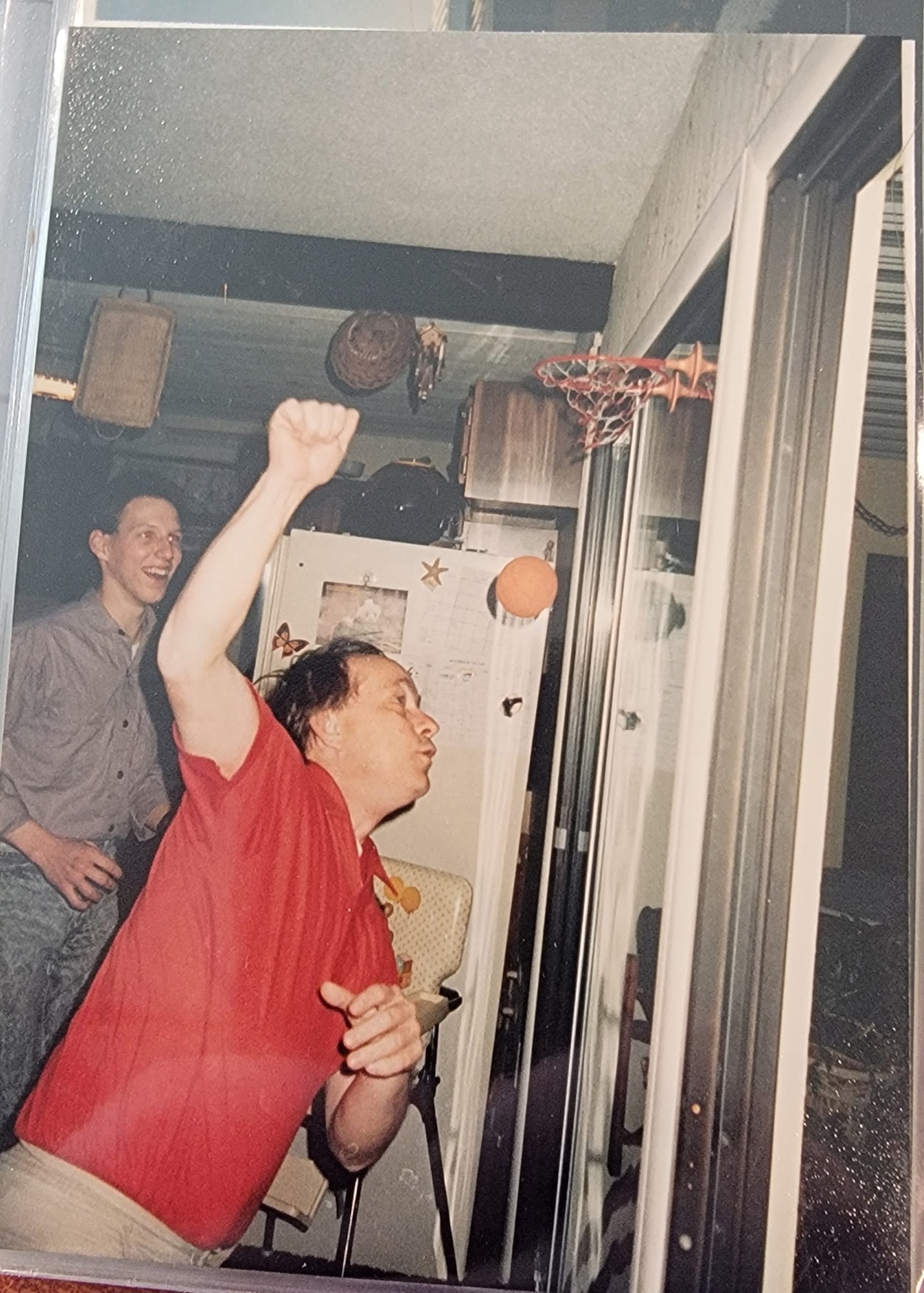
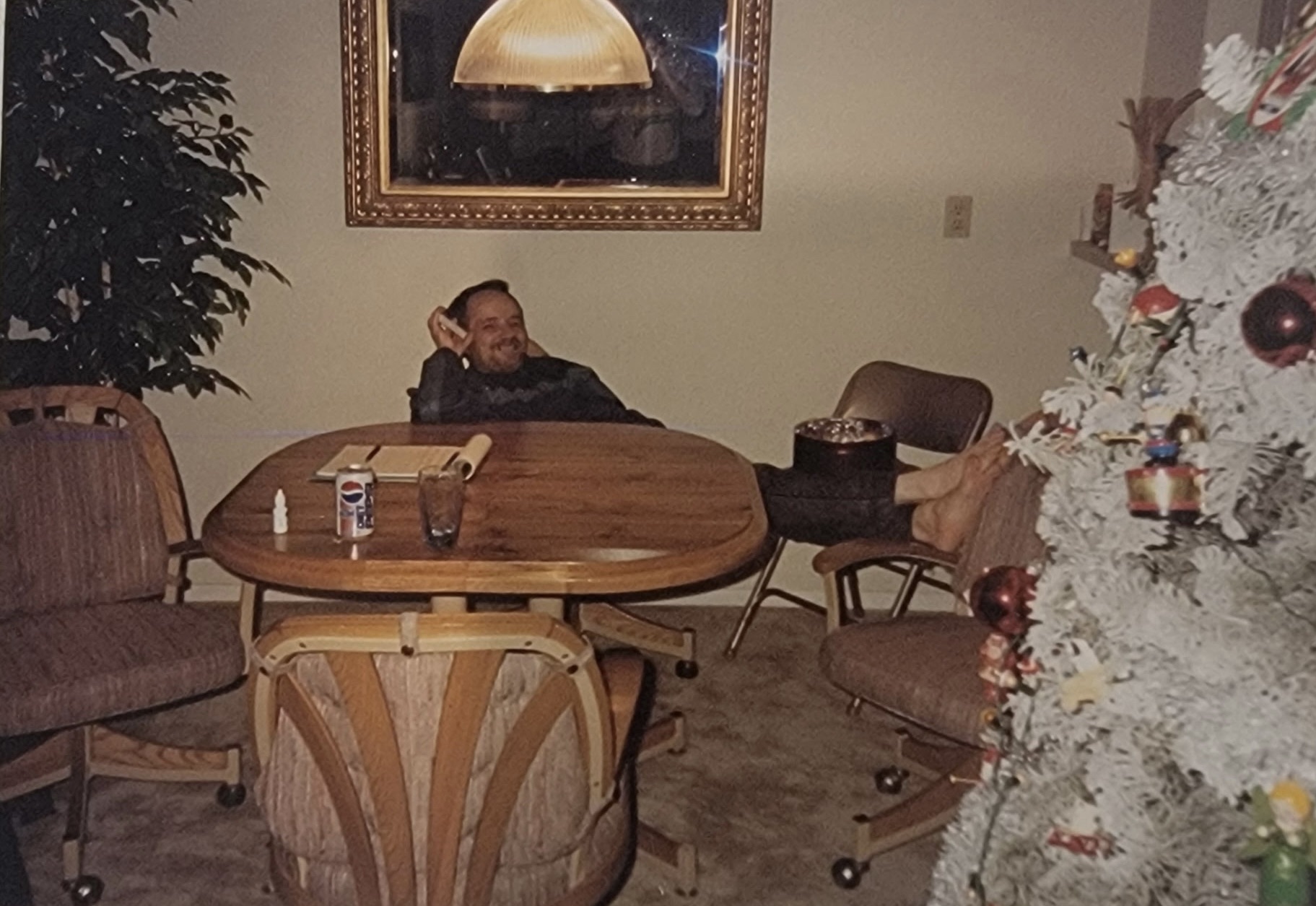


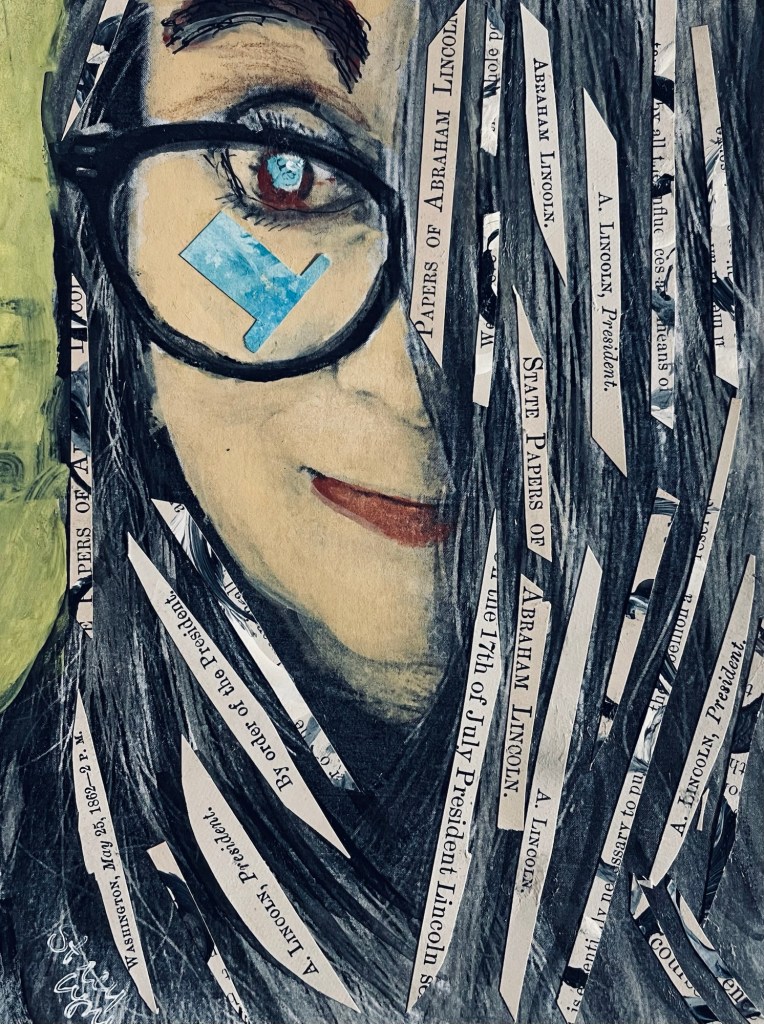
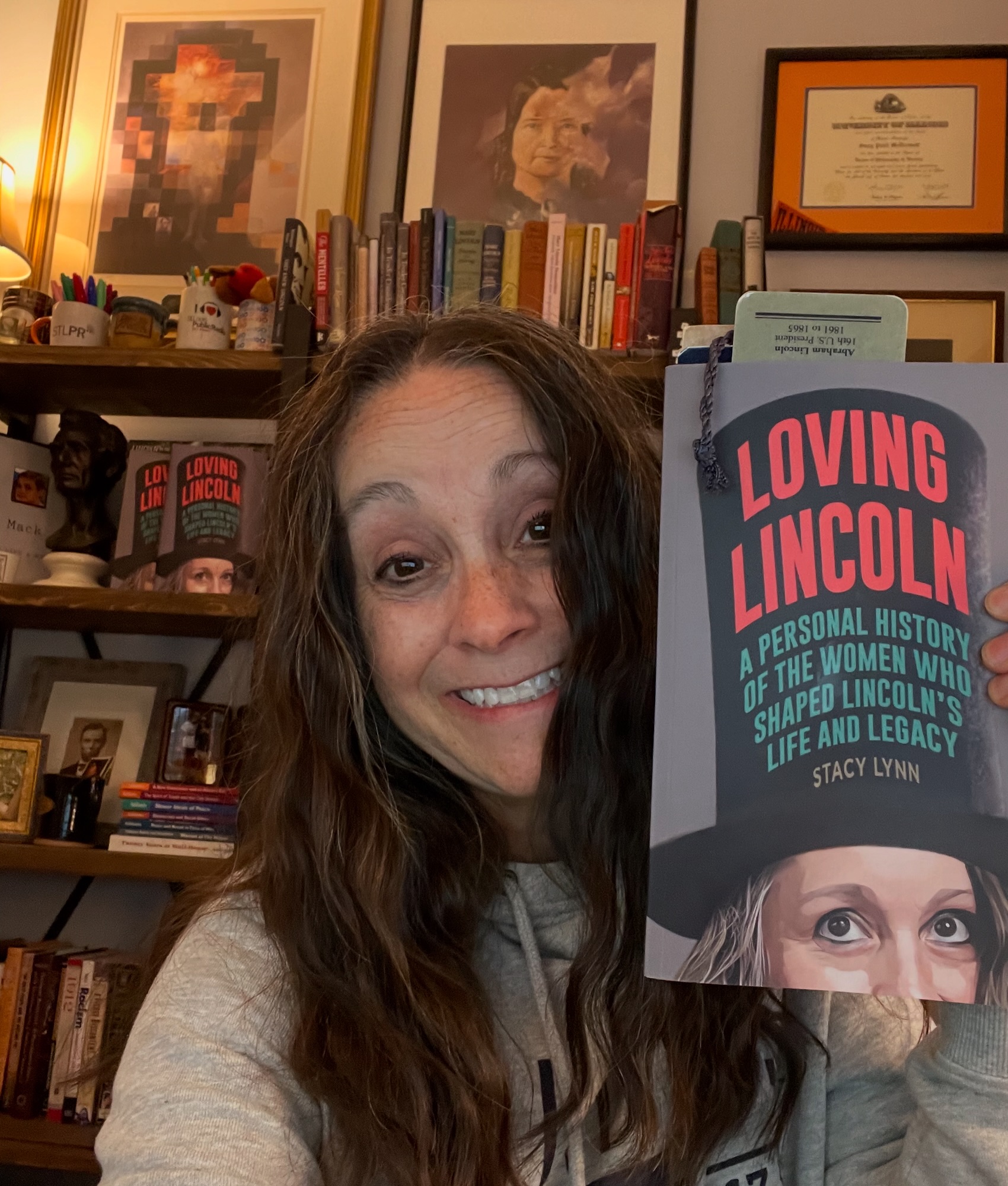

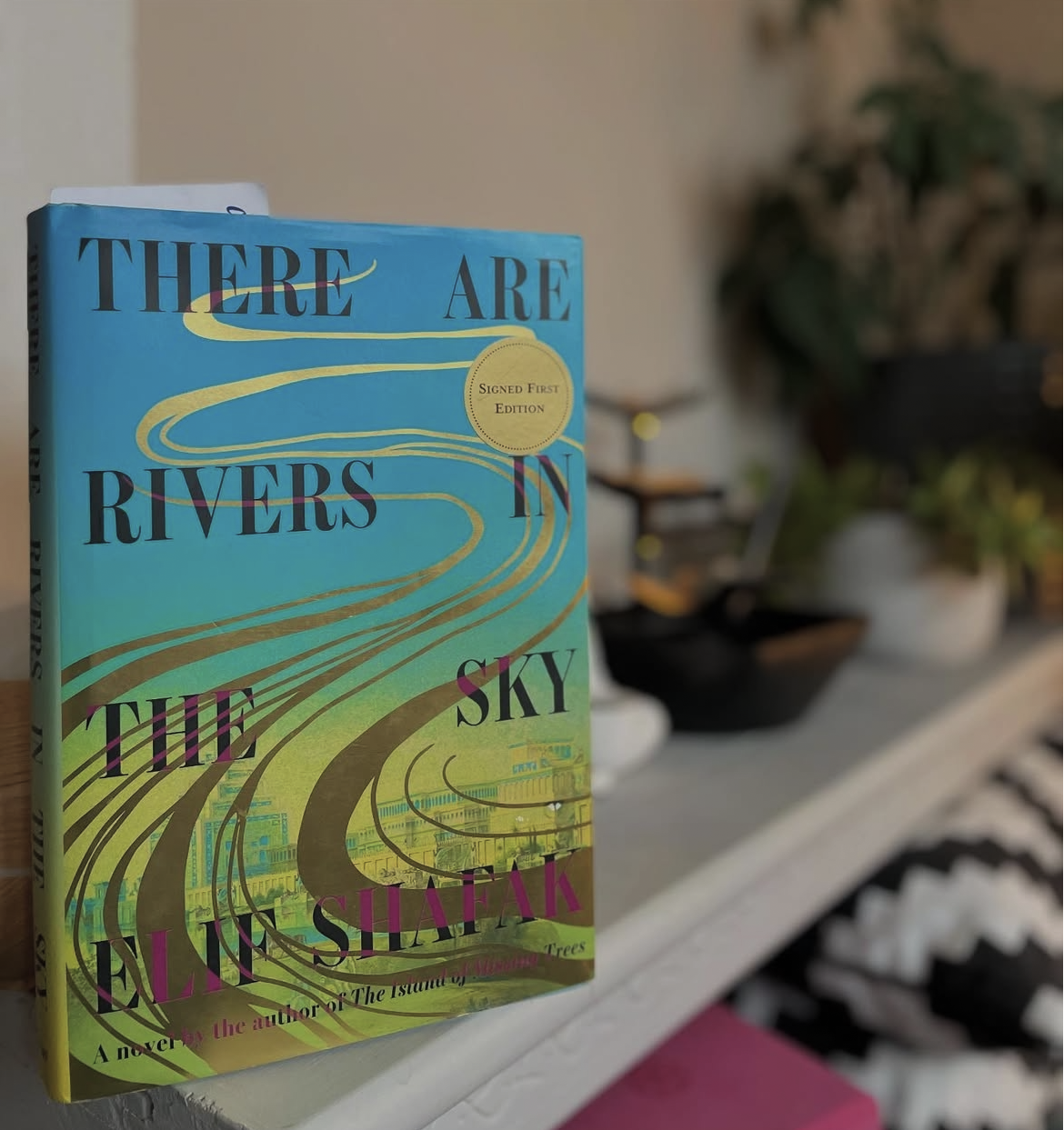


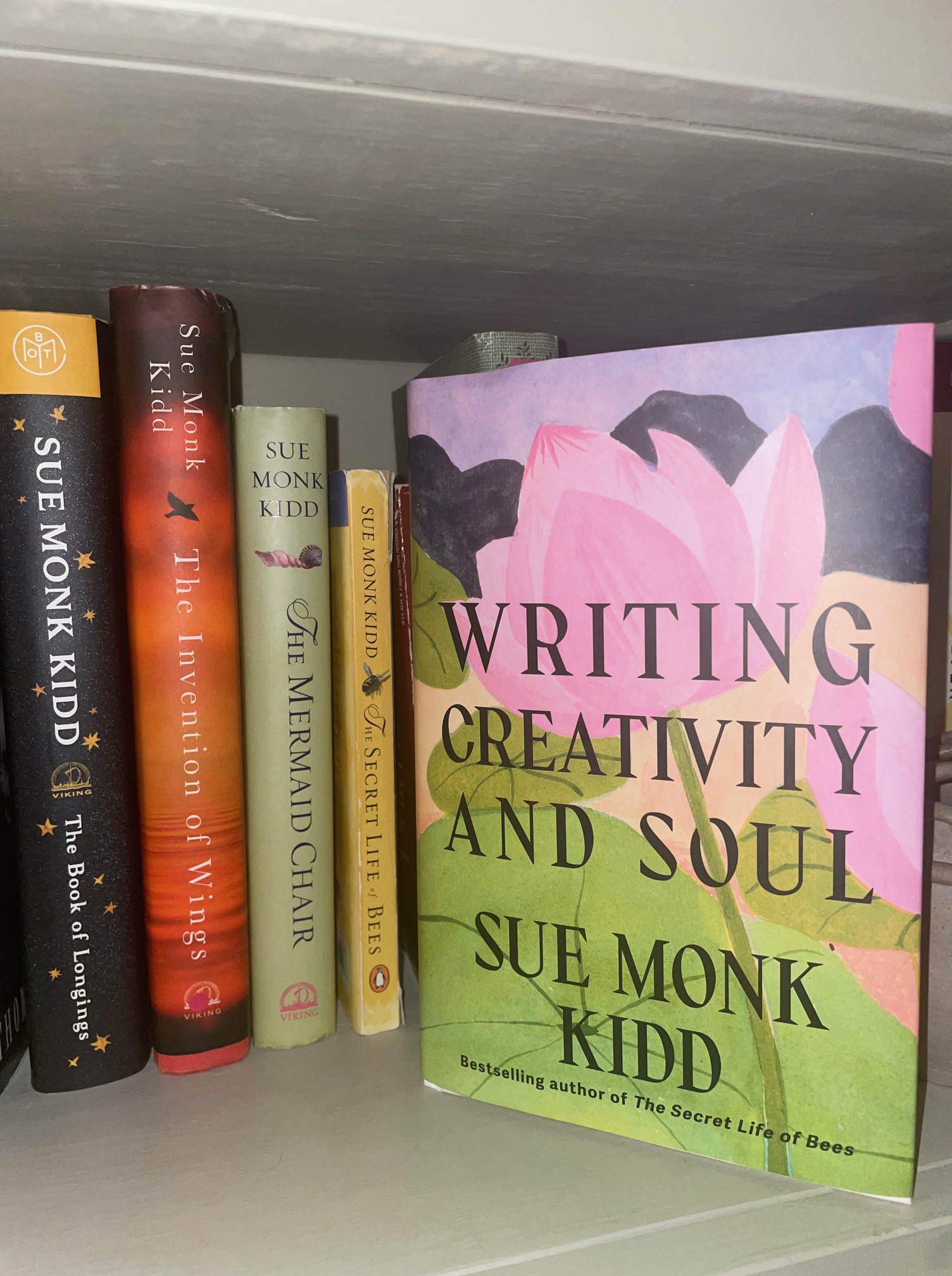
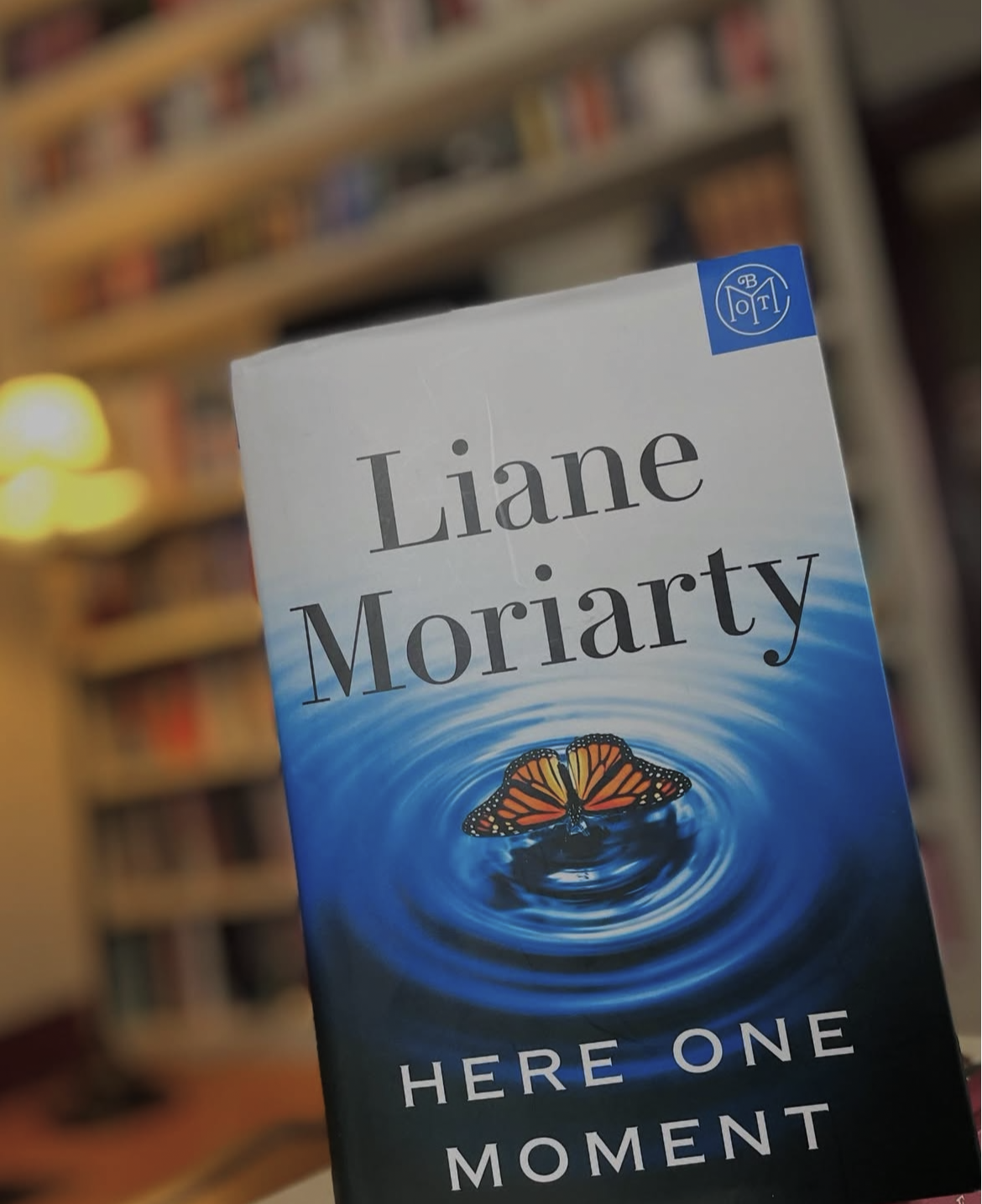

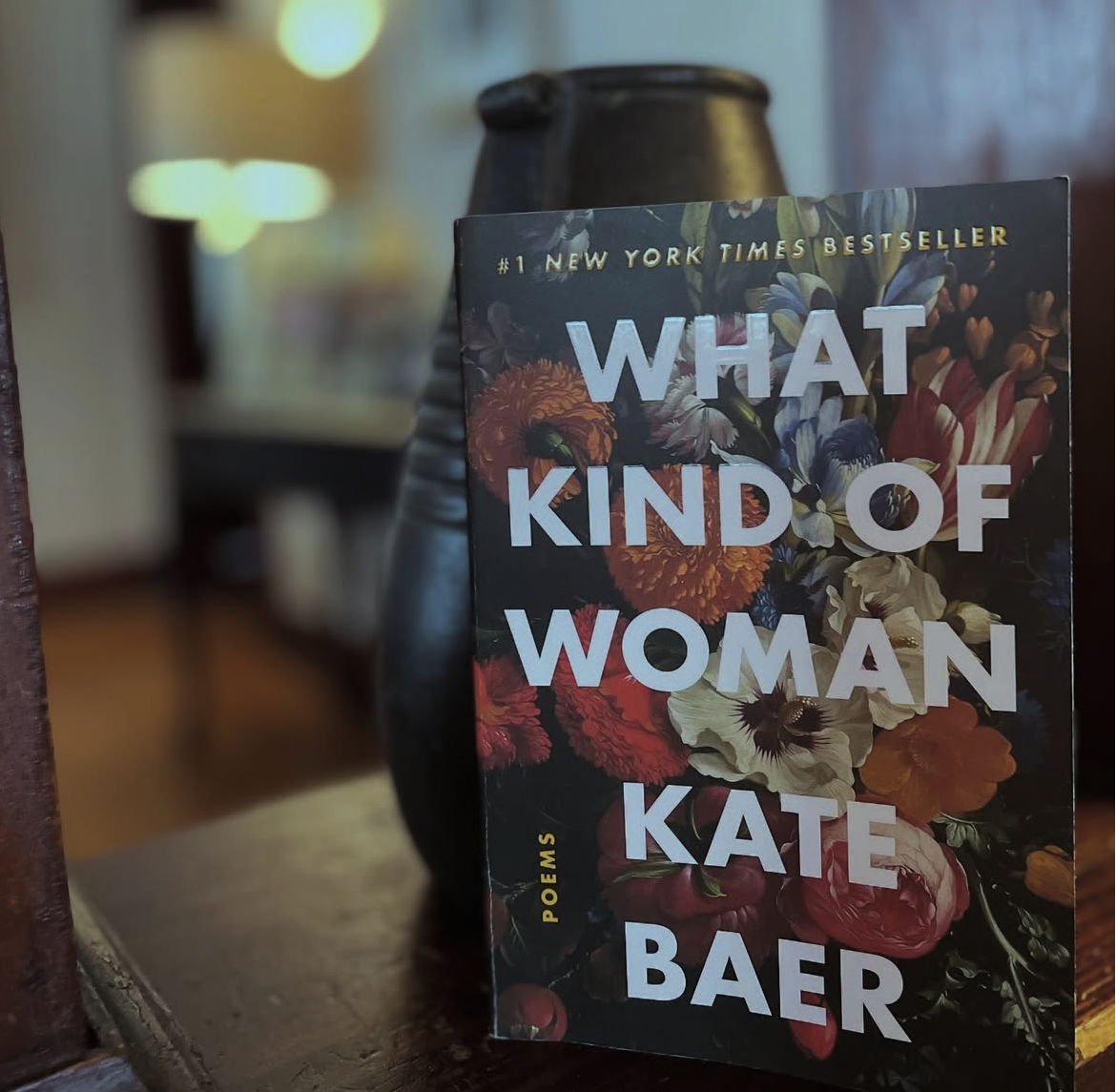
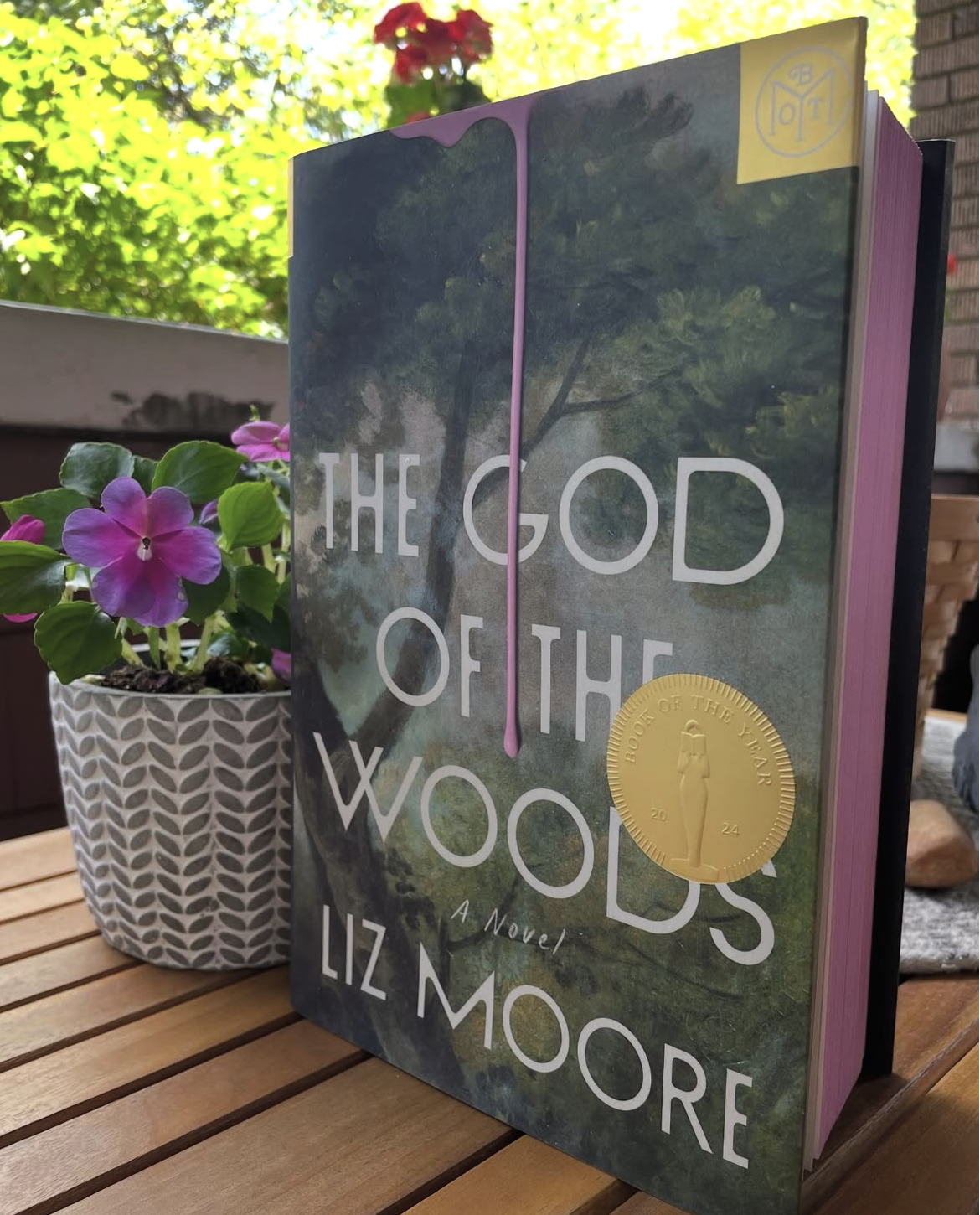
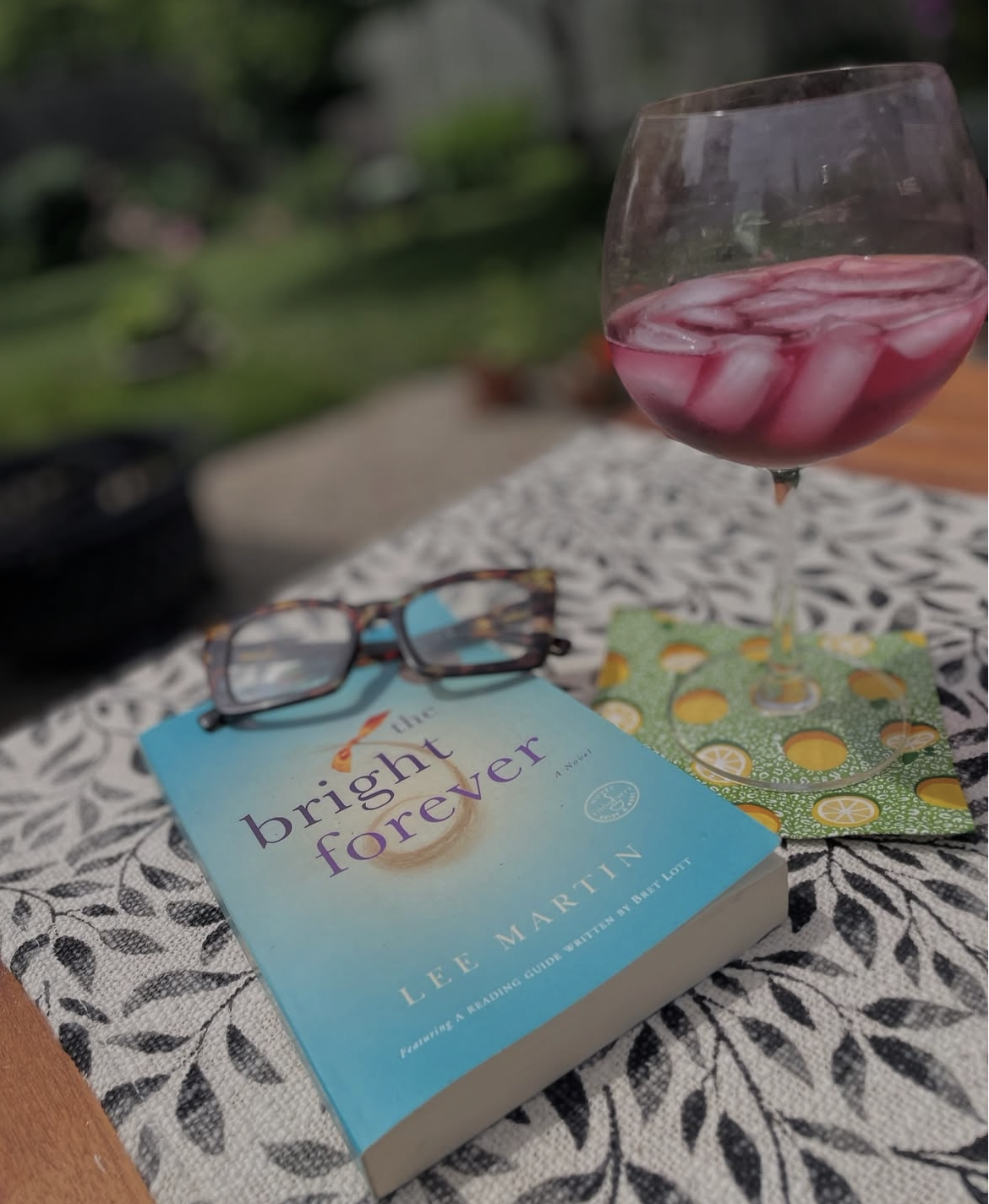
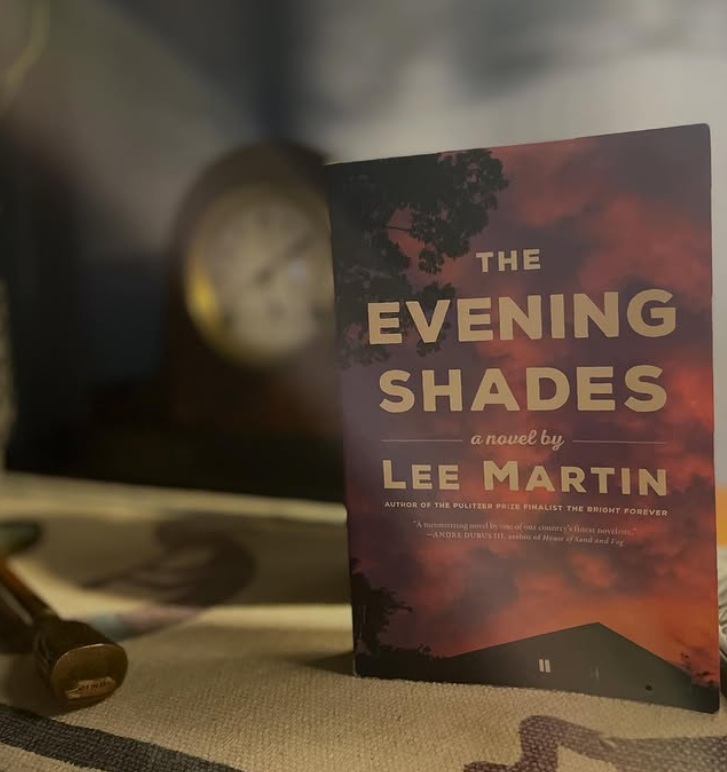
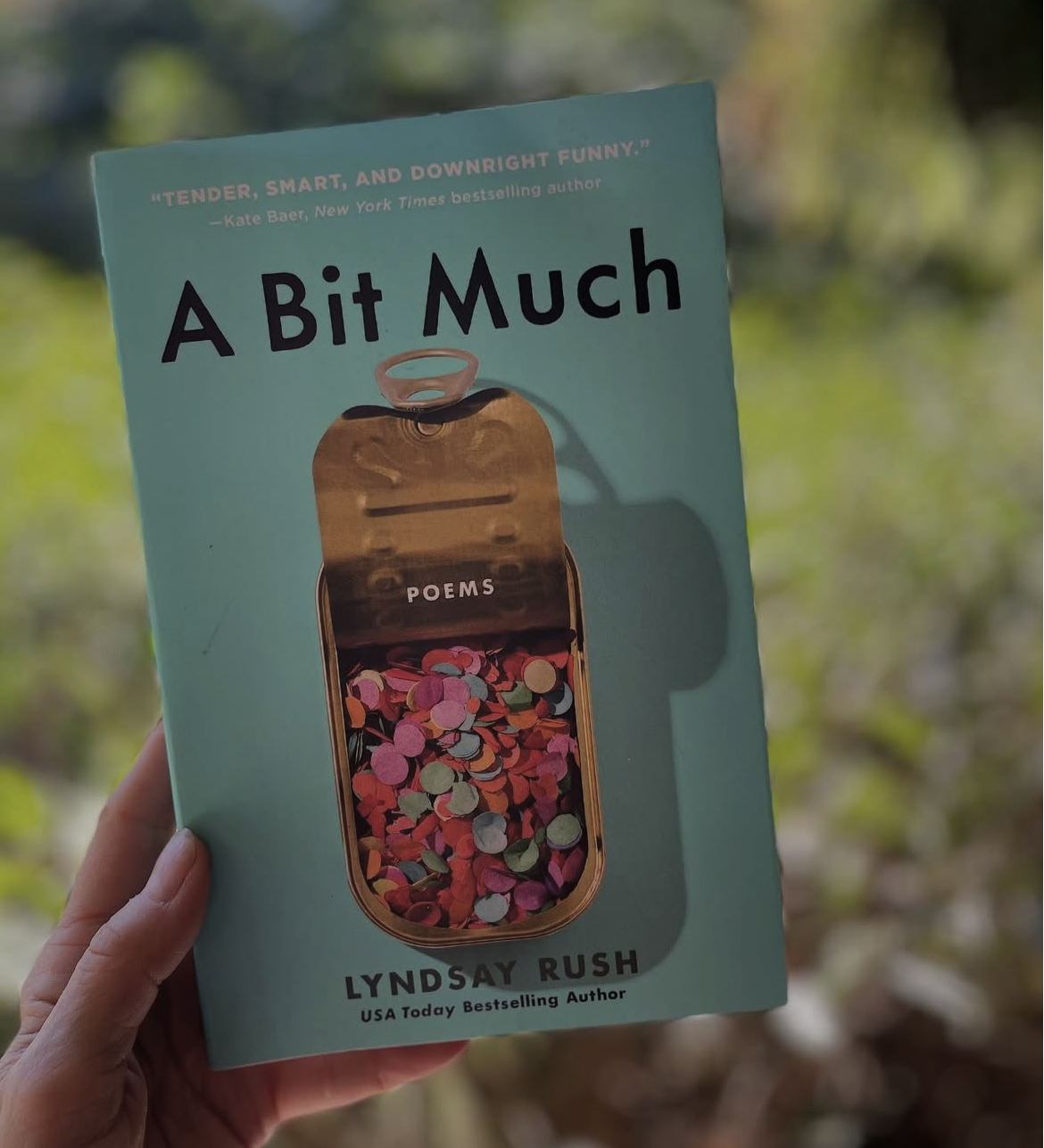
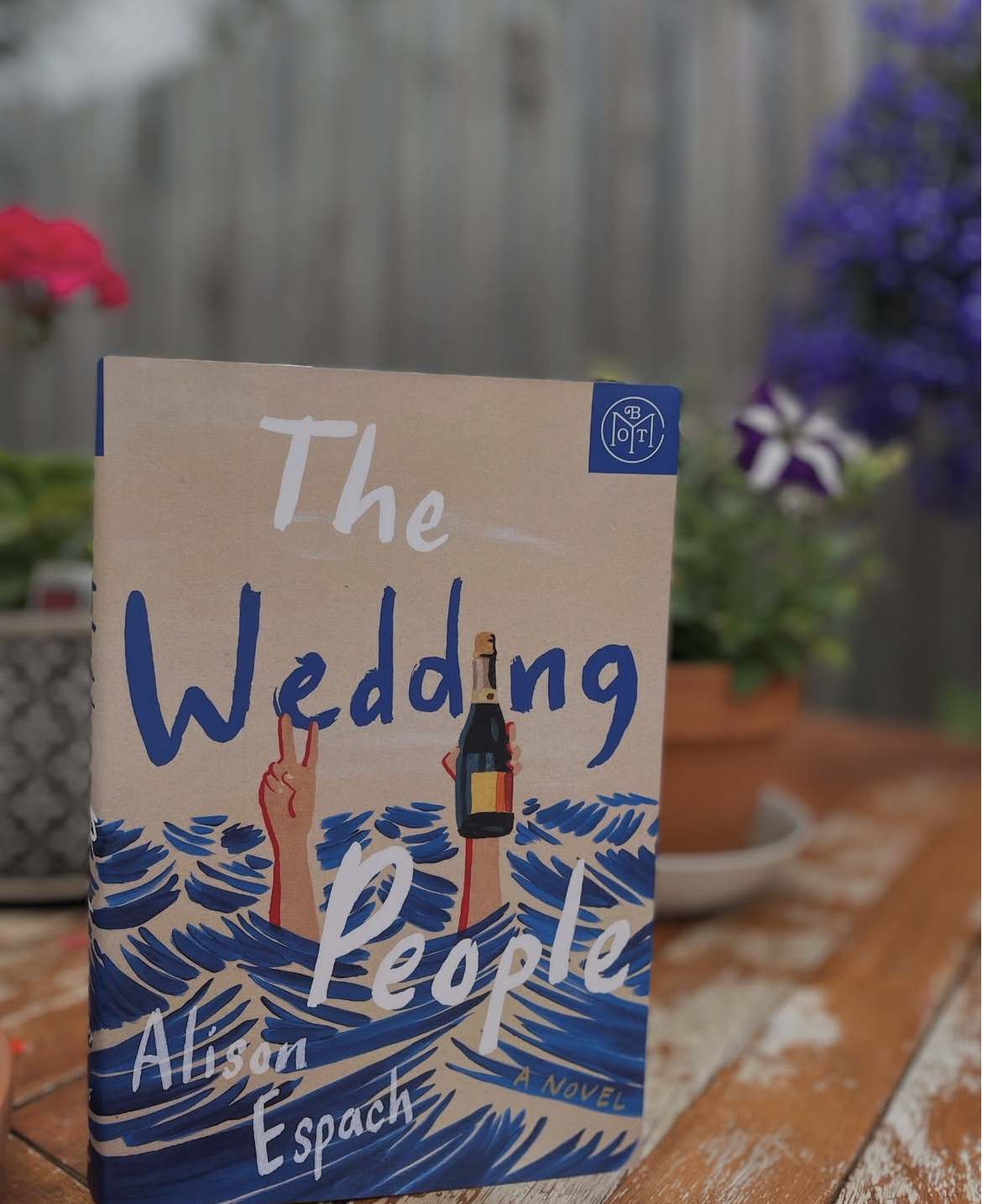

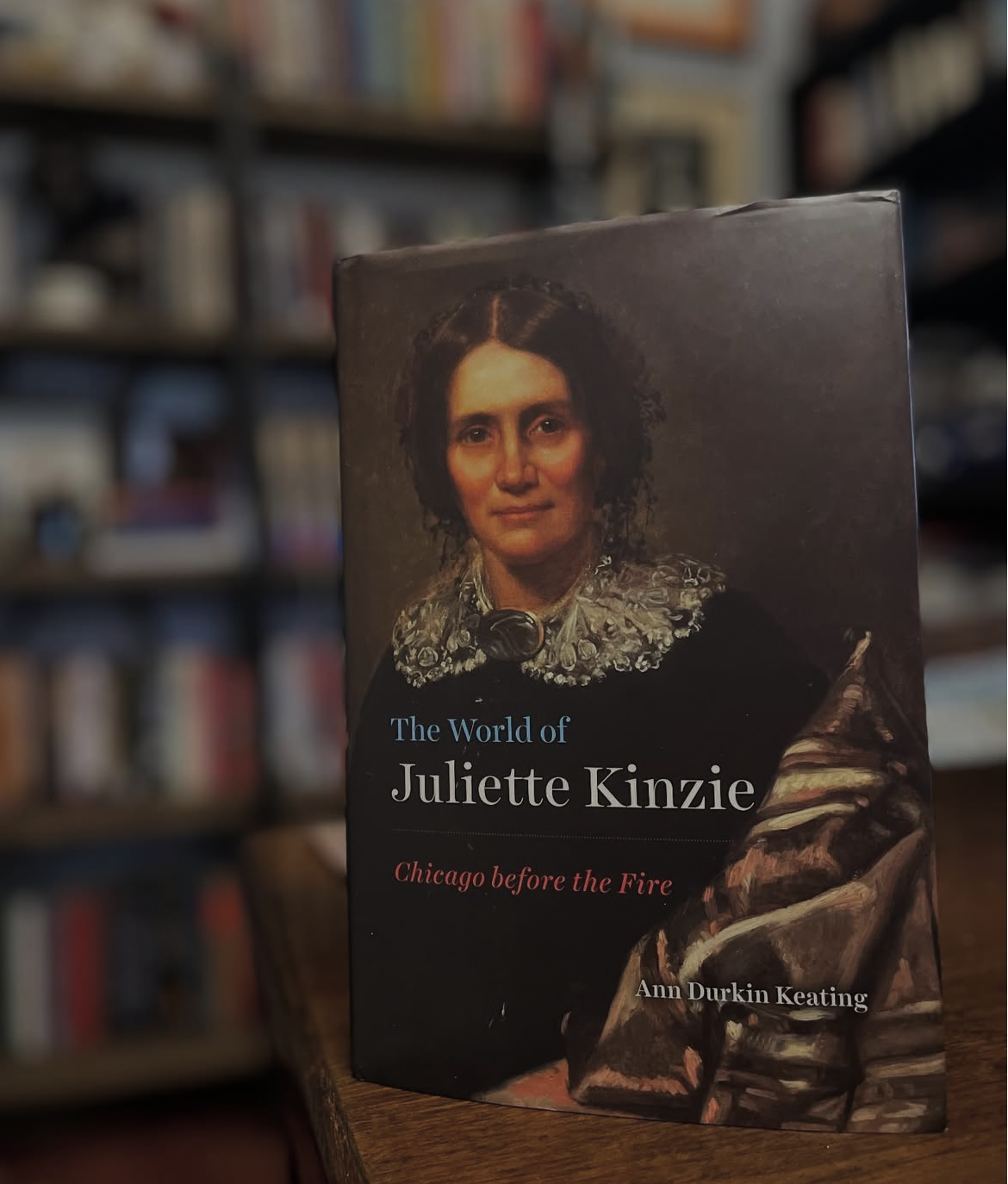
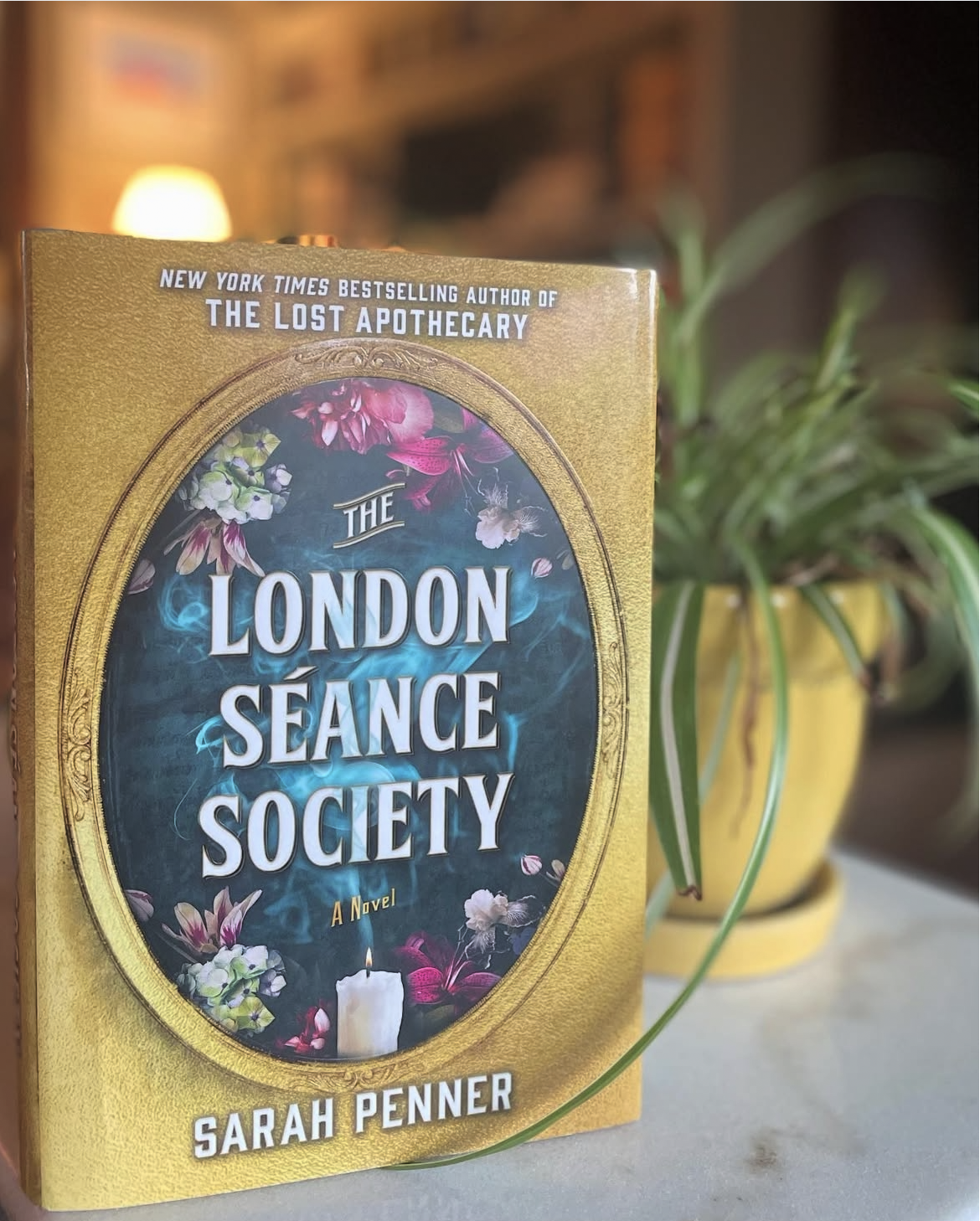

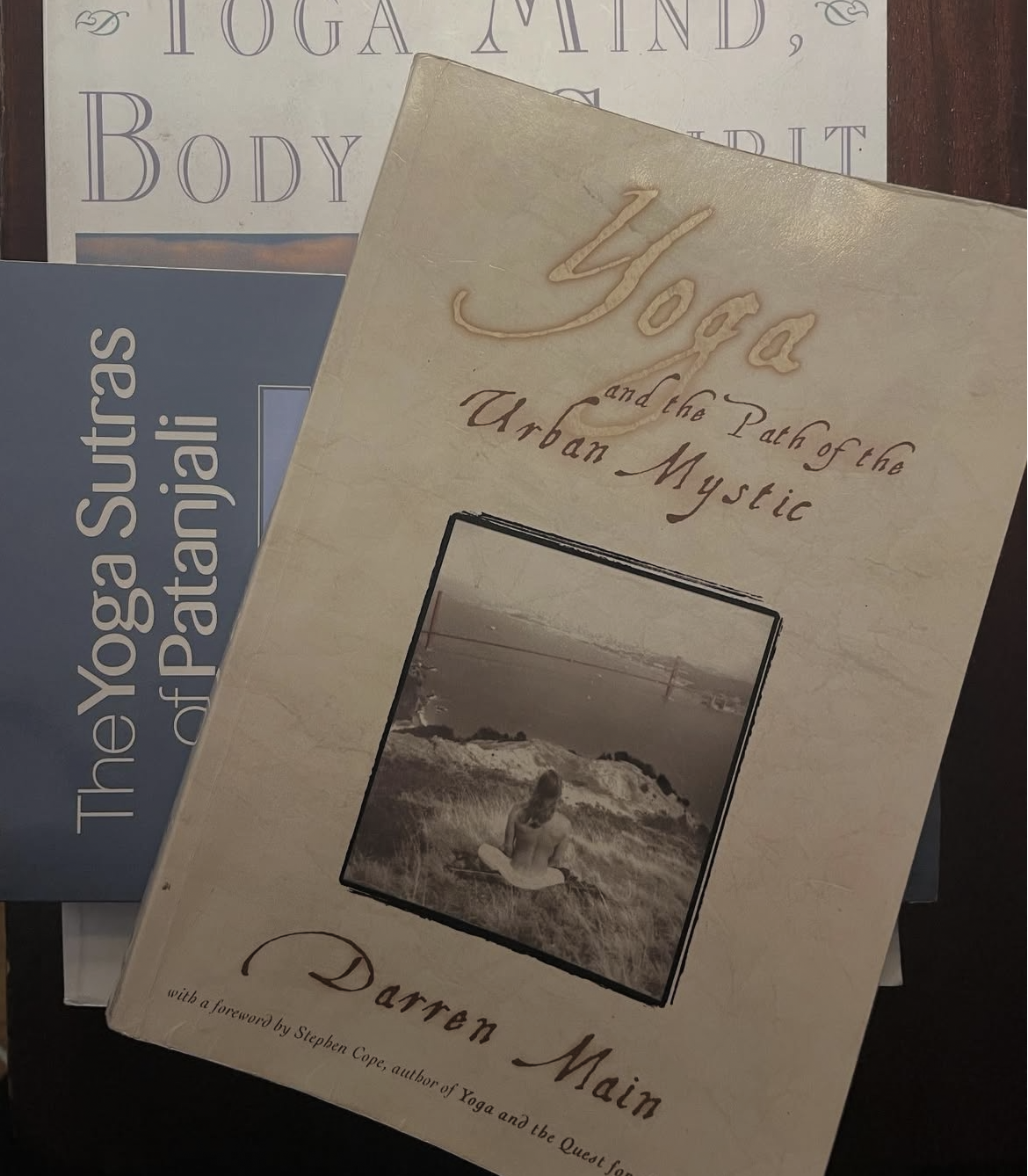

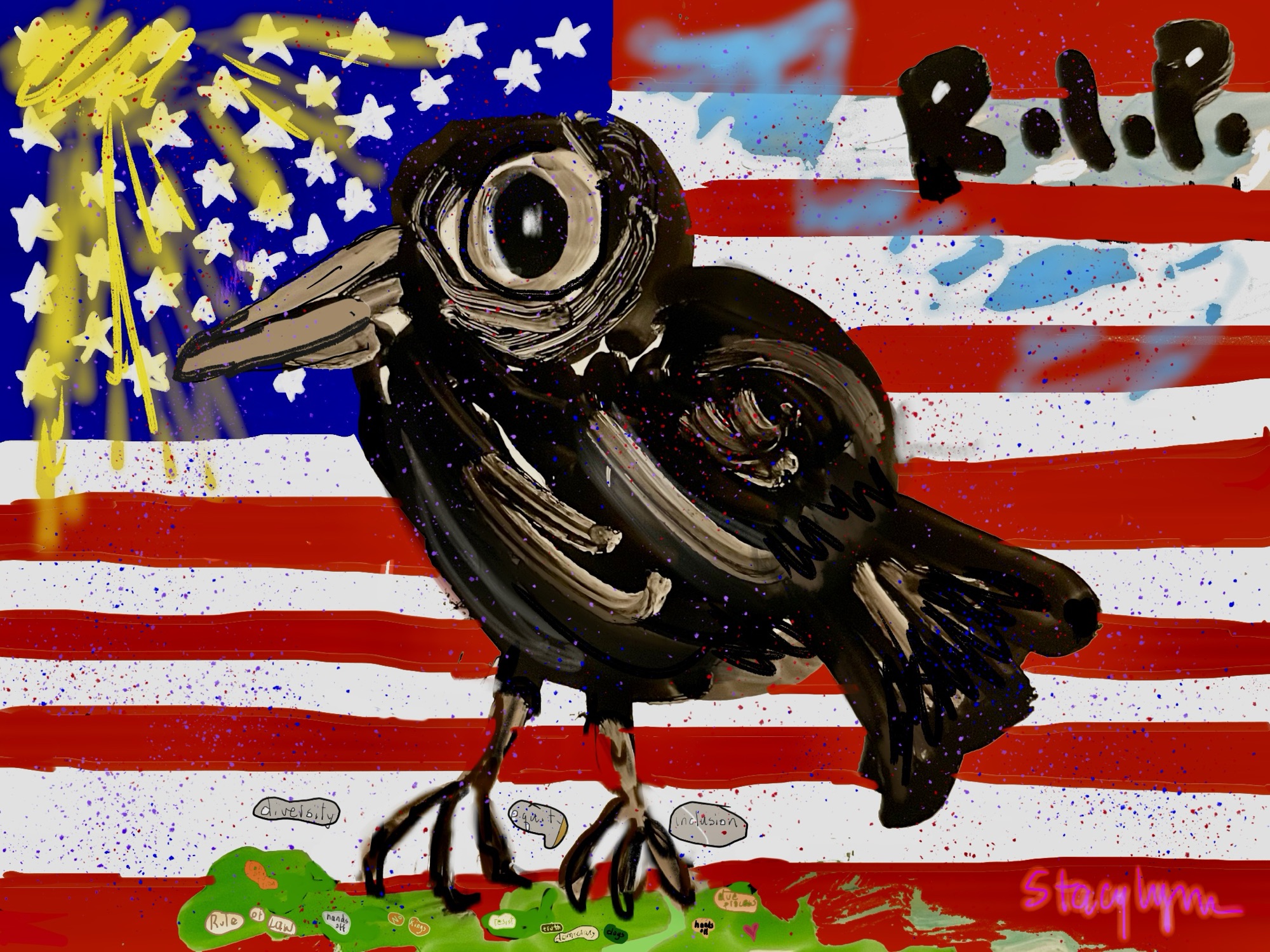
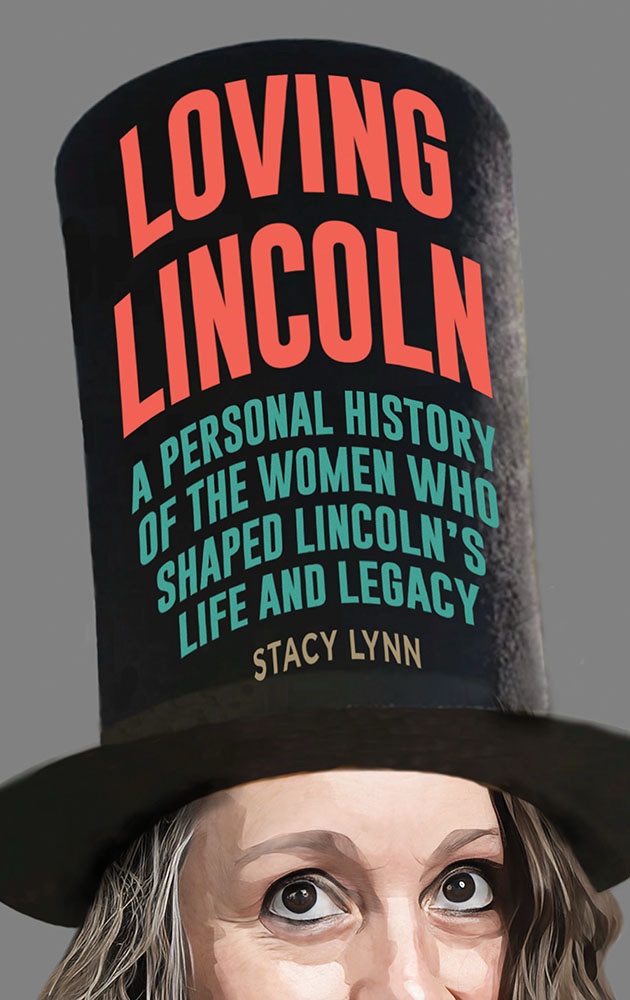


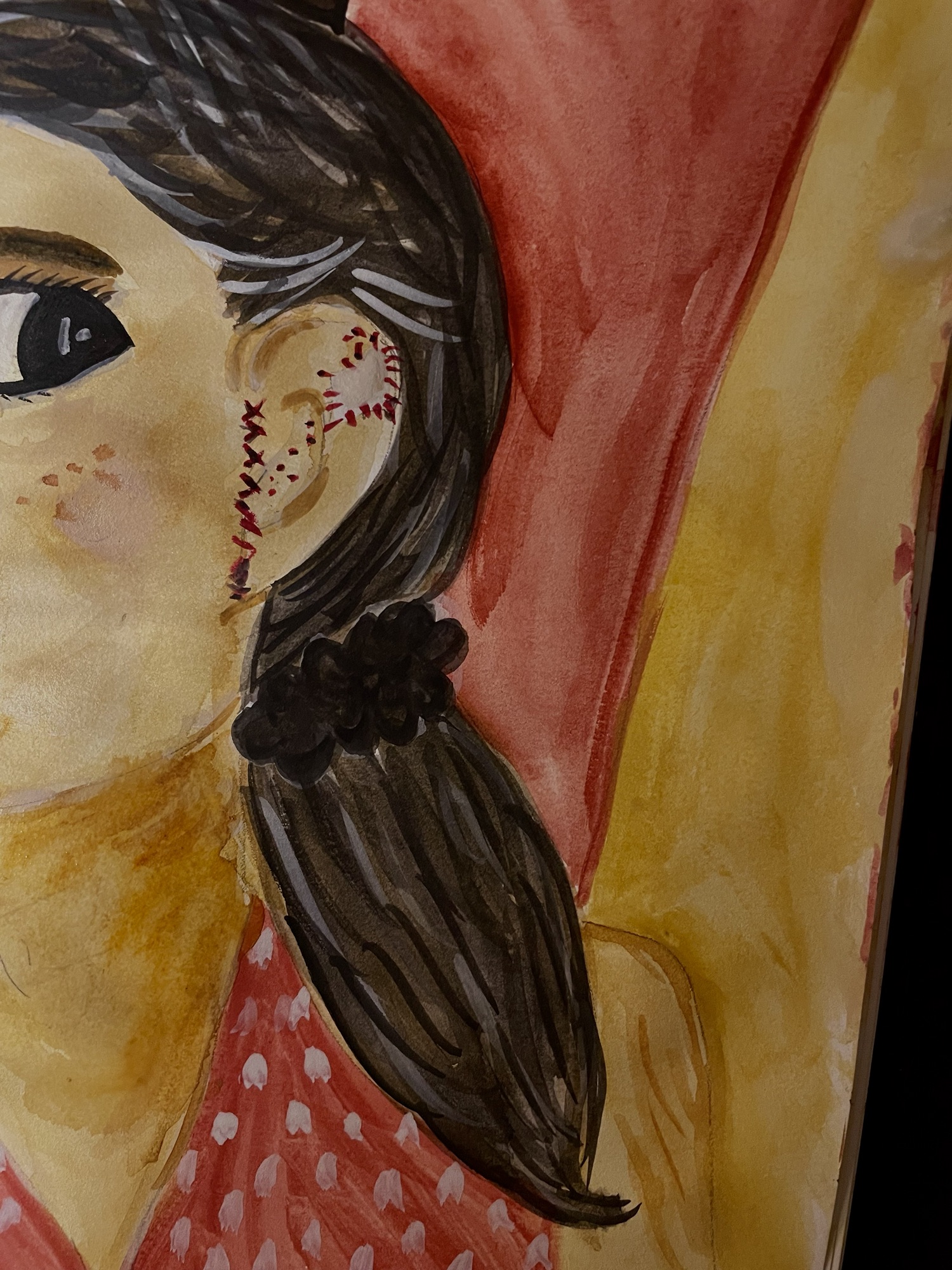
 Being Mack's Momma Bear