Good morning, spring and birds and the cool breeze on bare feet. Good morning, Sunday and my porch, strong coffee in an antique cup. Good morning, books and watercolor paint to keep me rooted here until the yard work can no longer be hushed.
It was my first Sunday morning of the year on my porch. Dishes in the sink. A bed unmade. The filling of a destroyed dog toy scattered all over the first floor. The yoga garden in need of raking and sweeping and seeding. But life is short. First warm Sundays on my porch come but once a year. This glorious March morning light is fleeting. Sunshine and reading and art were calling, and I listened.
Six months ago I would have done my chores first and then rewarded myself with porch time, missing the morning light and quiet. But my yoga study has made me wise. I now tend first to my heart and then to tasks that can wait. Three and a half hours later, my spirit nurtured, I will turn my attention to my to-do list with ease and mindfulness.
Breathe the soothing fresh spring air, good folks. Listen to the birds. Take notice of all that is budding. Read on a porch. Paint by a window. It’s a time of rebirth for our earth, and it could be a rebirth for you, too, if you welcome it at the door.
Namaste.
P.S. the final pic is Ruby, my squirrel friend, who ate her morning peanuts right at my feet, while I enjoyed my coffee.
To say that 2025 was a busy year for me would be an understatement of literary proportion. I published my book Loving Lincoln, a project into which I poured my entire heart and spent six months promoting, giving book talks and lectures, book signings, online interviews and podcasts, and spending a magical week at the Chautauqua Institution in New York. I finished editing The Selected Papers of Jane Addams, Volume 4, Moving Beyond Hull-House, which will be published by University of Illinois Press in spring 2026. I also was busy doing preliminary work on a new creative project, picking a little at a novel I’ve been writing (it’s up to sixty-eight mostly dreadful pages), publishing nineteen essays on my personal and work blogs, and submitting an illustrated letter to a cool Substack publication called Letters to Dead Authors and Artists, which will be published in March.
It has been a productive, fulfilling, thrilling, and wonderfully exhausting year. Yet no matter how busy I was throughout the year, I was never too busy for reading or listening to an audio book. A friend of mine recently sent me a pair of socks that says “This Bitch Reads.”
I am guilty as charged. This bitch reads.
On top of all the daily reading I did for my day job as associate editor of the Jane Addams Papers, for a yoga teacher training course I started in August and will conclude in February, and all the political reading I do each week, I met my 2025 leisure reading goal. With more than a day to spare, I read fifty-two books (one book a week is my reading sweet spot), finishing the last book on December 30 at 2:35 p.m. I started 2025 with a book of poetry by Kate Baer, which was a 2024 Christmas gift from a favorite reading friend of mine; and I ended the year with a book of poetry by Kate Baer, a 2025 birthday gift from the same friend. This year I read thirty-seven novels, six memoirs, four works of nonfiction, three poetry collections, and two biographies. Eleven of the novels were historical fiction, my favorite genre. Five books had one-word titles, seven books made me sob, and nine books made me laugh out loud. Three of the books are going on my all-time favorite books list (numbers 1, 2 & 3 below), and I read two clunkers; however, the vast majority of the books I read this year were great or very good, a better reading pool overall than the past couple of years.
In my leisure reading this year, I learned about the writing rituals of two of my favorite writers, the gendered construct of time, a wee bit about radium, and way more than I needed to know (but loved learning) about hares in the English countryside. I got inside the head of a middle-aged woman hiding away in a convent, went on an explorer’s adventure with an old woman looking for a rare beetle, traveled on a train through France, and got lost in another twisty plot in a delightfully dark Liane Moriarty novel. In my year of reading there was friendship, grief, love, women in the present, women in history, a scholar in the future, octopuses, dogs, and poems about women losing their damned minds but finding, always with great surprise, that they are resilient.
Here are my 52 books of 2025. And special thanks to my dogs Lady Bug and Dorothy Parker for starring in two of the book pictures that follow.
#1 Loving Lincoln by Stacy Lynn (2025) ❤️❤️❤️❤️❤️ Shameless to put my book first? No. Not really. Because it’s true, Loving Lincoln IS my favorite book of the year. It it representative of my soul, I live and breathe on so many of its pages, and it is some of the very best writing I have ever done. It may, in fact, be my favorite book of all time. At least for now, I do not want to tamper down my pride of it.
#2 The Correspondent by Virginia Evans (2025) ❤️❤️❤️❤️❤️ The Correspondent is breathtaking. On every page, this beautiful epistolary novel is pulsating with life, love and heartbreak, grit and grace. I have no adequate words to convey the perfection of this novel, at every level, the writing, the pace, the tone, the characters (oh my goddess, the characters!), and that patient, gentle unraveling of a mother’s grief, as the letters she writes over the years reveal all the layers of her heart. I first listened to the audio book, brilliantly produced with a large cast of great readers. When I finished well in advance of the fourteen days of my library loan of it, I immediately began listening to it again. I then purchased a hard copy of the book and read it a third time, this time reading slowly to bask in its radiant literary light. Yes. Instead of reading two different books, I read this book two extra times. The Correspondent is that damned good.
#3 There Are Rivers in the Sky by Elif Shafak (2024) ❤️❤️❤️❤️❤️ There are easy buoyant novels that carry us away. There is great literature that commands our attention and respect. And then there are those rare books of gorgeous words and grand imaginings that from the pen of a gifted writer become elemental. There are Rivers in the Sky is the latter, reaching far beyond the stories it tells of three human beings in three distinct historical settings, whose lives and histories are lost and found by the water. In this poetic, magical novel, the water is watching. A dispassionate observer, it holds all memory and knows all truth across the vast distances between beauty and cruelty, friend and foe, passion and power, right and wrong, past and present and future. History flows through time and space like water. History is water. Water is history. Always, no matter the form, the water is ever present. A raindrop on the head of an ancient king. A snowflake on the tongue of a swaddled baby in the gutter. A London rain drenching a young woman hesitant to be who she is in her heart. A flood. Water from a tap. A mighty river that never ceases to flow.
#4 Memorial Days by Geraldine Brooks (2025) ❤️❤️❤️❤️❤️ I am drawn to memoirs of grief, compelled to know how grieving people put suffering to words. Memorial Days is wise and journalistic, as excepted from Brooks, a former war correspondent; but it is also tender and vulnerable in its simplicity and its depth of feeling. While it is a wonderful grief memoir, inviting the reader into a broken heart, I enjoyed it even more for its invitation into the brain of a writer I have long admired. Brooks’ brilliance here is twofold—she opens a window to her thoughts as a gifted giver of words, and she bravely shares her story as a grieving widow. In the afterword, Brooks offers several observations about how American society makes loss and grief (a natural part of life) even harder by working to render it silent. In my own experience with grief and my hard-won acceptance of my melancholy, I know how true it is. “Our culture is averse to sad,” Brooks writes. “We want people to be happy. We are chagrined and slightly offended when they’re not. There is desire to cheer them up. And then, later, there will be a glancing at the wristwatch, a tapping of the foot if they cannot be cheered, if their grief is perceived to go on too long. I wish we could resist those things.” I, too, wish we could resist those things. And you can start by reading this memoir and I challenge you to let your tears flow freely as you turn every page.
#5 The Names by Florence Knapp (2025) ❤️❤️❤️❤️ This gorgeous, richly textured novel considers the question of the power of a name to determine the course of our lives. Cora is powerless, trapped in an abusive marriage, her light nearly extinguished. But what if she found the courage to defy her husband by choosing her own name for their infant son and giving him a chance to escape the tyranny of his father? Three names, three stories, three divergent futures. Across the thirty-five years of each imagining emerge the uncomfortable knots of family, the intergenerational trauma of domestic violence, and the ability of even the most broken spirits to find love and acceptance. Original, lyrical, laced with heartbreak and redemption, this novel offers some of the most beautiful writing I read all year.
#6 Miss Benson’s Beetle by Rachel Joyce (2020) ❤️❤️❤️❤️ This is the story of two broken women, Margery and Enid, who go on an impossible expedition to New Caledonia to find a gold beetle and who forge an unlikely friendship along the way. I am sorry I missed this book when it came out during the COVID pandemic. I could have then benefited from its quiet wit, matter-of-fact commentary on hardship and hope, and its nuggets of wisdom about life. “It occurred to Margery that this was how it was that, there was always darkness, and in this darkness was unspeakable suffering, and yet there were also the daily things—there was even the search for a gold beetle—and while they could not cancel the appalling horror they were as real.” This novel is full of adventure, laughter, dignity and indignity, courage, fear, resilience, suspense, sorrow, joy, and beetles. I laughed, I cried, I held my heart and danced with pompoms on my sandals and a pith helmet upon my head. Recommended by the brilliant writer Barbara Kingsolver on her Instagram, and now I recommend it to you!
#7 Stone Yard Devotional by Charlotte Wood (2025) ❤️❤️❤️❤️ Would that I could take leave of my life and hide myself away in reflection of all I cannot hold. But I am not the kind of person who could do the letting go required for such a journey. The protagonist checking out her life inspires both my envy and my disdain. What stories would you tell if there was only quiet and plagues of mice and stories of your past to haunt you? I am not sure what to think and to feel about this novel of grief and a woman who cannot cope unless she locks herself away in a convent, away from a life that most would be happy to live. But the writing here is poetry, the emotion is rain and sunshine, and the healing light of quiet is provocative and lonely and a fire in the hearth on a dark, cold night. Beautiful. Awful. And true.
#8 The River We Remember by William Kent Kruger (2023) ❤️❤️❤️❤️ This engaging novel is set in 1958 in rural Minnesota when World War II is well past but not done wreaking its terrible havoc. It is a novel about secrets and love, racism and community, and the choice human beings always have to do right by others, no matter the cruelties they themselves have endured. “We are all broken,” opines one of the characters in the novel; but how we choose to live with the broken pieces of ourselves and help others pick up their own shattered selves is the only thing, in the end, that truly matters. Kruger (a prolific writer I only discovered two years ago when I read This Tender Land) is a great writer who weaves stories that make you laugh and cry and catch your breath. This novel broke my heart; and I always appreciate a novel that makes me cry for compelling characters, a well-told story, and beautiful prose. “Our lives and the lives of those we love merge to create a river whose current carries us forward from our beginning to our end. Because we are only one part of the whole, the river each of us remembers is different, and there are many versions of the stories we tell about the past. In all of them there is truth, and in all of them a good deal of innocent misremembering.”
#9 The Paris Express by Emma Donoghue (2025) ❤️❤️❤️❤️ It is 1895. The historical setting and the novel are thrilling and textured. A train full of fascinating characters, richly detailed and representing all classes and qualities of people—among them a seasoned railroad engineer, an elderly Russian woman, a boy traveling alone who misses his stop, a Black American artist, a brilliant young medical student, a cabaret performer who refuses to remove her voluminous hat, an ambitious secretary traveling with her boss, and an anti-government radical with a mysterious lunchbox, still unopened way past noon. Suspense. Humanity. A train speeding toward Paris. A propulsive story speeding toward disaster. What more could any reader ever need or want?
#10 Writing Creativity and Soul by Sue Monk Kidd (2025) ❤️❤️❤️❤️ I admit that I am predisposed to love a book about writing written by a writer I admire. Writing Creativity and Soul was both a window to Kidd’s writing life and a bursting fountain of ideas, such as the inspiration of writing rituals, the value of creative loitering, and learning to have constructive conversations with self-doubt. The book left me with much to ponder, as I seek in 2026 to live a more creative and soulful life, focused on writing and art and telling stories. “When we are lost, when our world is full of brokenness,” Kidd writes, “it is stories that will re-create us.” Kidd offers insight on the crafting of stories and evidence from her life and in her writing of the power of stories to heal, to inspire, to lessen our burdens, and to tap into the collective heart. In the beginning of the book, Kidd defines “soul” as heart plus imagination. She offers a vivid description of the magic of that equation, which reminded me of the way I felt when I wrote my book Loving Lincoln. I felt the magic of writing with my soul, my unique blend of heart and imagination. This book—a memoir of writing—is written primarily for writers, but I suspect readers who love great writing will gain insight about the craft as well as the magic.
#11 Here One Moment by Liane Moriarty (2024) ❤️❤️❤️❤️ Who knew a book about death and grief and terrifying prognosticating could be so funny and sweet, light and dark, and fun?! This is Moriarty’s best work. The writing is so good and the original storytelling style makes for a crazy-good ride. Cherry, the daughter of a fortune teller, is a wonderfully imagined protagonist, and Moriarty is a master storyteller, unfolding Cherry’s life story among the stories of the people whose lives she upends when she predicts their deaths on a fateful flight from Hobart to Sydney. And peppered throughout this hefty, hearty novel are memorable nuggets about love and loss, family and friendships, life and death, chance and choices, and the truth that what we make of all of it is always within our own power to foretell.
#12 The Love Elixir of Augusta Stern by Lynda Cohen Loigman (2024) ❤️❤️❤️❤️ Currently, as I enter my own dotage, I tend to gravitate toward novels with mature female characters; and the prickly Augusta Stern is a good example of the literary women I love. She’s smart and ahead of her time but also vulnerable despite all the hard edges she constructed to protect herself from disappointment. Set in a Jewish neighborhood in 1920s Brooklyn and a southern Florida retirement community in the late 1980s, the novel tells the life story of a woman who lived a long and full professional life as a pharmacist but who spent sixty-two years missing the only man she ever loved. When Augusta is reunited with her lost love, the mystery of their parting unfolds, and she learns that age doesn’t change who you are in your heart and it is never too late to begin again. I am not a lover of romance novels, but this one was not sappy. It is an enjoyable human story with fascinating historical context—Jewish food and folk remedies, old fashioned drugstores, gangsters, and women breaking the rules.
The rest of the books I LOVED and highly recommend (but not in any particular order)
What Kind of Woman by Kate Baer (2020) ❤️❤️❤️❤️ The first book I read in 2025 was this collection of poetry. This visceral, sensible book of poetry is all about being a sensitive and strong woman in a crazy world. I could rant and rave, rage, and rattle on about what it is to be a woman. I could do it with drama and a tad of style and be, perhaps, somewhat persuasive about what this life gives women to carry. But nothing I could say in an hour of rambling could say better than what one of the quiet little poems in this collection says about the life of a woman. Poetry is power to carry us forward toward light and wisdom. Daughter, mother, sister, wife, lover, caregiver, brilliant and fucked up all in one fell swoop. We are women. We are life and death, fury and love, says Kate Baer. And we are here, dammit. And from the best author’s note ever: “Any resemblance to actual persons, living or dead, or actual events is either purely coincidental or an act of deep-seated revenge.”
How About Now by Kate Baer (2025) ❤️❤️❤️❤️ The last book I read in 2025 was Baer’s latest collection of poetry. As visceral and sensible as the collection above, but more nuanced and more soothing. In the five years between the two collections, the poet has not so much mellowed as she has wizened to the myth of women’s inferiority and is now matter-of-fact standing in her female power. Baer is less enraged, more accepting of the truth that we can control little in our lives and that we can (and should) let go of the ropes that bloody our palms holding on too tight. “The problem is the new life costs you the old one,” Baer opines. “How long it’s taken you to understand the difference between letting go and cutting through the rind.”
Lula Dean’s Little Free Library of Banned Books by Kirsten Miller (2024) ❤️❤️❤️❤️ Belly laughing hilarious but also drop dead serious, this novel tells the story of a small southern town in the grips of a book-banning controversy. Archenemies since high school, Lula Dean (the town crank) and Beverly Underwood (a member of the school board), face off and all hell breaks loose. And when Beverly’s college student daughter returns to town and puts banned books in the covers of Lula’s “wholesome” books in her little free library, the town residents start reading and choosing sides. Miller is so clever in her use of well-known banned books—like Are You There God, It’s Me Margaret and The Hemingses of Monticello—and she takes delicious digs at the circus of book banning in Florida and Senator Josh Hawley’s ridiculous book Manhood. The novel deals with issues of race and racism, sexuality, slavery and history, friendship and family, community, and the power of books and reading to enlighten us, bring us together, and set us fucking free.
Go As a River by Shelley Read (2023) ❤️❤️❤️❤️ It is rare that I enjoy a coming of age story. I simply do not find the mistakes and naivety of youth compelling (maybe because I’m entering my dotage). But the protagonist here is a woman, not a man, which is relatively novel, and the historical landscape is intriguing. Set in rural Colorado after WWII, the story bends along side a river, forbidden love, peaches, and a dam project that destroys a town and makes a flood of memories and mistakes and grief. I cannot relate to most of the choices Victoria makes, but I admire this protagonist’s strength, resilience, and inspirational effort to save her grandfather’s famous peach trees. A great story, good writing, and deft sensitivity overcome an awkward detour toward the end of the novel to leave the reader pondering the meanings of family, racism, war, the power of secrets to drown us, and the remedy of time to see us safely to the shore.
Intermezzo by Sally Rooney (2024) ❤️❤️❤️❤️ A tale of two brothers, separated by ten years, misunderstandings, and profound grief. Both are struggling to cope with the death of their father and to find their footing in the world. They need each other, but neither knows how to traverse the chasm between them. Written with heart and melody, this story is about the space between a great loss and the beginning of a new life that must be charted out of sorrow. Intermezzo is hauntingly beautiful music about love and family, loss, meaning, the terror of loneliness, and the healing gift of forgiveness.
Three Days in June by Anne Tyler (2025) ❤️❤️❤️❤️ Classic Anne Tyler. Absolutely nothing happens and you’re not disappointed. Because most days in our lives absolutely nothing happens. We are just ordinary folks doing the best we can, just like Tyler’s human characters. Simple weddings go off without a hitch. The routes of Sunday walks never vary. And maybe we adopt a cat. Not my favorite Anne Tyler, but solid writing, as always. She is an American literary treasure, and I LOVE her!
The God of the Woods by Liz Moore (2024) ❤️❤️❤️❤️ The God of the Woods is a brilliantly crafted novel. Quietly suspenseful, less the monsters of nightmares and more the horrors of our waking hours when we fear the world we know might swallow us whole. The parents at the heart of this horrifying story are loathsome. The father is cruel, and the mother is pathetic in her acceptance of her husband’s cruelty. But the stories of their lost children are compelling, heartbreaking, brutal. The stories of all the adults in the lives of the children who fail them offer a layered answer to the question: is it ever too late to do what is right? And, more to point of the god in the woods that haunts us, what price would we be willing to pay to free ourselves from the darkness?
The Bright Forever by Lee Martin (2006) ❤️❤️❤️❤️ A gripping, devastating tale about the disappearance of a nine-year-old girl in a small Indiana town, The Bright Forever is brilliant storytelling that unfolds from several perspectives, each stabbing you in the heart. Lee Martin is tender in his telling but also demanding, as his readers must turn every page with eyes wide open to the sometimes horrifying complexities of human character. Martin is a beautiful writer I greatly admire. I first read this book in 2018 after I met him at a book talk in St. Louis; and I reread it to prepare for his sequel to it, which was released in 2025 (The Evening Shades, below). I loved the novel at both readings, but this time around I appreciated its lovely crafting even more.
The Evening Shades by Lee Martin (2025) ❤️❤️❤️❤️ Lee Martin has an unassuming, quiet way with words. He writes like he is telling you a story on the front porch in the cooling evening hours of summer. But by the end of his telling, your heart is breaking and something in your soul has shifted. I love that genius in a writer. I admire that calm belief in the whisper of words by a writer who refuses to shout. Sneaky brilliant bastards—and I mean that in the bestest way! I envy this talent in great writers. Lee Martin is one of those writers, and The Evening Shades, a sequel to The Bright Forever (above), will quietly break your heart and shift something deep within your soul. It is a story about loneliness, the sometimes devastating consequences of our human failings, and the truth that love may come late and change everything.
A Bit Much by Lyndsay Rush (2024) ❤️❤️❤️❤️ Funny and light but brimming with wisdom, this laugh-out-loud and cry-every-20-poems collection is simply delightful. It is a diverting playlist of songs for women moving along imperfectly, juggling joy and madness, and being more than enough (and sometimes a bit much) though constantly undermined and undervalued by American society. “I’m going off the deep end/anyone want anything?…If anyone needs me for the next 2 hours/I’ll be just down the road/losing my mind.” I enjoyed losing my mind in this creative collection of poems, many to which I will return often.
The Wedding People by Alison Espach (2024) ❤️❤️❤️❤️ Stuck in a dead-end job as an adjunct professor of English literature, reeling from her husband’s infidelity and her recent divorce, and still devastated by her failed attempts to get pregnant, Phoebe Stone is depressed and desperate. She has no parents or close friends to lean on, and when her cat dies she loses all faith in her ability to move forward. So she books a flight to Newport, Rhode Island, and a room in a swanky seaside hotel, where she has long dreamed of staying. She arrives at the hotel wearing a fancy green dress she’s had for years but has never worn, and she carries no luggage, her only needs at this point are the room service menu and the three remaining pills of her dead cat’s cancer meds she has tucked up in her purse. Although she’s not supposed to be there at all, the entire hotel having been reserved for a week-long wedding, she’s given the unoccupied penthouse room for one night. But as soon as she steps into the elevator with Lila, the force-of-nature bride, her suicide plan begins to unravel. What happens next is an extravagant wedding whirlwind, Phoebe swept up in Lila’s own personal drama as the two women strike up a quick, mutually fortuitous friendship. Phoebe endures awkward activities and hilarious interactions with the wedding people, and there is a deep and dark psychological dive into Phoebe’s life. It may sound crazy but it doesn’t read crazy at all that Lila and the wedding people will save Phoebe’s life (no spoiler here, because it’s clear early on that the pills Phoebe brought are hilariously insufficient, and she quickly admits to herself she wants to live but just doesn’t know how). Good pace, decent writing, and many tender moments as Phoebe faces her demons and leans into the oddly soothing company of strangers.
Raising Hare by Chloe Dalton (2025) ❤️❤️❤️❤️ During the pandemic lockdown, Chloe Dalton raised a hare and learned everything there is to know about hares, in biology and literature and art; and then she let that hare teach her things about life she didn’t know she needed to learn. I bet you didn’t know you needed to know a thing or two about hares. But you do. And you also need a chance to learn what Dalton learned, that a relationship with one animal might be a good start for changing your perspective on the world.
On Earth We’re Briefly Gorgeous by Ocean Vuong (2019) ❤️❤️❤️❤️ On Earth We’re Briefly Gorgeous, a novel more poetry than prose, is … well … gorgeous. Words whisper and scream the cruelty and beauty of love and being made separate for difference, though that difference is the lovely texture of your soul. I had read Vuong’s poetry but missed this haunting immigrant story until a friend sent me a copy. Told in the form of a letter to a mother this novel paints the depths of longing and hurt, Vietnam, the war inside a son, and light that glimmers in the darkness.
Skinfolk by Matthew Pratt Guterl (2023) ❤️❤️❤️❤️ Skinfolk is fine memoir, punching the reader in the heart while eschewing the sentimental. Guterl, a historian of race, writes frankly about his racially diverse family—white and black and brown, close and loving, bonded by kinship and shaped by the jagged edges of racism, from which their picket-fence, middle-class suburban upbringing cannot keep them safe. Without being a treatise on the privilege of whiteness, it exposes the depressing reality of a persistent racism in American society that cannot even be softened by liberal parents with all the best intentions in the world.
The World of Juliette Kinzie: Chicago before the Fire by Ann Durkin Keating (2019) ❤️❤️❤️❤️ This biography of Juliette Kinzie, an early white Chicago settler and historian of the city and the region, is a stellar example of the form. Keating not only makes the life of a woman mostly forgotten by history come to life, but she also uses biography as a lens to answer wider questions. Particularly fascinating is the erasure of Kinzie’s histories (not to mention her personal story), replaced by histories focused less on the family and community relationship of society and more on an individualistic, industrial, capitalist, male story that privileged politics and business and deemphasized women and the family. As the Great Chicago Fire became the before and after marker in the city’s history, so too the relevance of one woman. Who it is that writes our history is consequential, and within the ashes are stories told and retold, untold and rewritten. Juliette Kinzie understood this truth in 1844 when she published her first work, and it is no less true today, 181 years later. I don’t read many biographies, and when I select one to read I set a very high standard. The World of Juliette Kinzie ticks all of my persnickety boxes.
The Thursday Murder Club Series This year I read all five books in the Thursday Murder Club series, thanks to an old Springfield friend who thought I would like them. In fact, I loved them all. They are funny and fun and deeply human. The heroes are old people I want to be when I get old, and the stories of friendship and vulnerability and resilience are heartwarming as well as instructive. I recommend all of them, and here they are in the order in which I read them.
The Last Devil to Die by Richard Osman (2023) ❤️❤️❤️❤️ Hard to believe murder, drug dealing, and antiques fraud can be adorable. But when the people cracking the case are four quirky pensioners at a retirement village it cannot help itself, I suppose. This fourth installment of the Thursday Murder Mystery Club series is funny and surprisingly poignant in places and I adored the characters. It’s Murder She Wrote x 4 + a British accent, which my daughter Mack always said makes everything better. I wish I could have read the series in order, but that’s the way the page turns when you want to read popular books from the library. I’d rather take them as they become available than wait for them one by one.
The Man Who Died Twice by Richard Osman (2021) ❤️❤️❤️❤️ The second installment of the Thursday Murder Club Mystery series is a hoot, same as the fourth installment. Long waiting times for library loans of these popular books forced me to be flexible in reading them. But I get why people love these Osman novels, and I am happy to share and wait my turn. They are murder mysteries, yes, cozies as amateur sleuthing novels are called; but I rather think their primary goal is to offer evidence that adventure and purpose are possible in our golden years, especially when we have great friends with whom to share them. The septuagenarian characters themselves are the point, not the murders they solve. I adore these old geezers (Ron’s term, not mine) who are grappling with all of the frailties and sorrows of old age but who are also, still, very much alive and kicking. I am especially fond of Joyce who says things like: “Blowing a man’s head off from four feet away probably doesn’t suit everyone. It wouldn’t suit me… Actually, perhaps it would suit me. You never know until you try, do you? I never thought I would like dark chocolate, for example.”
The Bullet That Missed by Richard Osman (2022) ❤️❤️❤️❤️ The third installment of the Thursday Murder Club is more complex murder mystery plot and a bit darker than the other two I have read, but no less enjoyable. Great pace and punch and wonderful supporting characters—Viktor the ex-KGB spy is hilarious! But, of course, the four Thursday Murder Club members are the stars (Joyce is still my fave). I hope I am as sharp and as game for adventure when I’m eighty as this glorious gang of geezers—“each and every one…barking mad!”
The Thursday Murder Club by Richard Osman (2020) ❤️❤️❤️❤️ Because of Richard Osman, I now want to live in a sleepy (wink wink) retirement community when I grow up. What a romp, this series, delightful and witty, tender and jolly good fun. I mean, who wouldn’t want to hang out with these four quirky septuagenarians, eating lemon drizzle cake and solving murders? “We are around death here a lot,” says Joyce, “but even so, not everyone is bludgeoned, are they?” I’ve now read all four books in the series and anxiously await the movie this summer and the next book this fall. (P.S. I enjoyed the movie, brilliantly cast, but it wasn’t as good as the book).
The Impossible Fortune by Richard Osman (2025) ❤️❤️❤️❤️ Installment number 5 of the Thursday Murder Club is delightful, as expected. It is charmed with all the same qualities I love about the series: humor, fierce friendship, and old folks living life to the fullest. And, oh Joyce, you are still my favorite; although Ron is hobbling close behind you.
My three-heart books I enjoyed and recommend (in rough rank order)
What We Can Know by Ian McEwan (2025) ❤️❤️❤️ Reading this book was a bit like looking down on myself as a historian. In this enjoyable novel, the protagonist Thomas Metcalfe is an English scholar in 2119 hunting a lost poem written in 2014. The historical empathy he feels for the poet and his wife Vivien, for whom the poem was written, is similar to the empathy I feel for the historical figures I study. Matcalfe’s work is set in the future, in the context of catastrophic rising seas and destroyed and endangered archives, which I suppose helps the author see scholarly research as a treasure hunt. I have news for him, scholarly research by a passionate scholar in any decade is a treasure hunt. I found myself cheering for Metcalfe and finding my own empathy for the flawed Vivien, although the poet himself possessed few redeeming qualities. In the end, I liked the novel as well as I am capable of liking a novel set in the future. I would have been happy to give the story an extra heart if it was set in the present or the past.
The London Séance Society by Sarah Penner (2023) ❤️❤️❤️ “May mercy be upon the man who finds himself the enemy of a vengeful medium.” Well, indeed, Mr. Morley, men who prey on women deserve their ghostly purgatory. Penner’s follow-up to the delightfully twisted The Lost Apothecary gives another woman, this time an apprentice of the occult in Victorian London, the power to dispense her unique form of justice. Given all the bad men currently in power, I could use a healthy dose of these stories, Sarah Penner, pretty please!
The Life Impossible by Matt Haig (2024) ❤️❤️❤️ Whether you give into the fantasy or read the protagonist’s story as embellished by her to give one young man, her former student, hope, The Life Impossible is a story of second chances. No matter how old we are or how much we have suffered, we can always find a way to see the world as new. Grace, a retired math teacher, is heartbroken and lost to herself, her life given up for dead, but on the island of Ibiza off the coast of Spain, she embarks on a magical (and ordinary) adventure.
The Switch by Beth O’Leary (2020) ❤️❤️❤️ Leena Cotton, 29, is a mess. She’s struggling to cope with the death of her younger sister, and she just blew a big meeting at work and has been put on a forced leave of absence to get her head on straight. Eileen Cotton, 79, is not only grieving the death of her granddaughter but she’s reeling from her husband’s desertion for a younger woman. The struggling Cotton women hatch a hail-Mary plan to save themselves by swapping places. Leena moves into her grandmother’s folksy Yorkshire cottage, and Eileen moves into her granddaughter’s hip London flat. What happens next is hilarious and heartwarming, as these two lovely and brave women go all in to make new friends, search for healing, and find new love as well as themselves.
Knife by Salman Rushdie (2024) ❤️❤️❤️ Rushdie’s tale of the knife attack at Chautauqua Institution in 2022 that nearly killed him and cost him an eye, seeks no pity. It is a matter-of-fact telling, a writer using his talent to try to make sense of a horrifying human experience (if that is even possible). It is a brave exploration of trauma and what happens when we lose our sense of security. Rushdie also weighs in on freedom of expression, the power of family, one-eyed characters in literature, and the dangers of religious fanaticism. I read this book right before going to Chautauqua, which was super freaky. But I can report that was not attacked when I delivered my lecture there, thank goodness. But then again, I do Abraham Lincoln and Rushdie does religious fanaticism.
The Soul of an Octopus by Sy Montgomery (2015) ❤️❤️❤️ A couple of years ago, I fell in love with a fictional talking octopus named Marcellus. After reading his story in the phenomenal Remarkably Bright Creatures (on my all-time favorite book list), a friend recommended this lovely book. I finally got around to reading it, and now I love real octopuses, too! They really are remarkable and bright.
Saving Time by Jenny Odell (2023) ❤️❤️❤️ Hmm. Time. To contemplate it in some ways is to breathe it away with every word of the book and every thought it conjured. It was interesting to learn about the gendered, economic, social, and climate-crisis context of time, so much of which I had never before considered. It was fascinating to think about how time owns us, the ways it is commodified, and how people and jobs and society define it for us. I appreciated the historic context of time the author provided, particularly the background of CPT, a term my Black sister-in-law always used; a term I understood but had never fully comprehended its roots in resistance. And how humbling it was as I read to interrogate my own resistance and compliance and all the energy expended to control time across the decades and changing circumstances of my life. It is a privileged position to spend time thinking about time. Yet I am left wondering if knowledge regarding time is a sad substitute for the naïve mind of the child who believes time is endless and she will never die. As I have far more time behind me than in front of me now, I rather think I will now try to forget about time entirely.
Benevolence by Julie Janson (2022) ❤️❤️❤️ This story of a native Australian woman and the horrific cruelties of British colonialism is hard to take, page after page of violence and injustice. But you keep your heart open, because Muraging’s heart is open, her voice defiant, and her spirit strong.
James by Purcival Everett (2024) ❤️❤️❤️ James is a wonderful compliment to Huckleberry Finn. How obvious, and also how provocative, that two people can be on a journey together, but that one chose the journey and the other was forced to the journey changes everything. The good sense and compassion of James is breathtaking; and the juxtaposition of Huck’s youthful ignorance and James’s quiet intelligence is revealing. But this is an adventure story at its heart, and the relentless disasters—a house floating down river, a stint as a singer in a minstrel show, the explosion of a steamboat, and multiple captures and running away is too much for me. Man stories like this one just don’t float my river boat. However, I do honor Everett’s creativity in offering a brave counter narrative to an iconic story by one of the best American storytellers.
Good Taste by Caroline Scott (2023) ❤️❤️❤️ Stella is a writer working on a history of English food. It’s 1932, and she’s struggling to make ends meet while grieving the death of her mother and helping her father to cope. Despite the dark backdrop, this is a light-hearted novel, full of friendship and food. The history of various English dishes is interesting and the descriptions of food are wonderful (except when they get too British and veer into the offal). Stella’s journey as a writer and a woman finding her footing in an uncertain world is compelling, her collection of recipes and tradition is good fun, and watching her find herself and the spirit of her mother along the way makes for perfect escape reading.
The Artist and the Feast by Lucy Steeds (2025) ❤️❤️❤️ Moody as well as vibrant in its description of art and food and color this is the story of a French painter, the young Englishman who has come to write his story, and a young woman trapped between life and art. Good story, good writing, what more does a reader need? Well, I guess I need a bit more, because something was missing for me—although I don’t have any idea what it was.
Books I enjoyed but might not be for everyone… (In alphabetical order)
Don’t Let Him In by Lisa Jewell (2025) ❤️❤️❤️ A psychopath. A bunch of wronged women. Diabolical deception. Murder. The latest Jewell is dark, twisty, horrifying, and uncomfortably delicious. Note: for the thriller reader.
The Elements of Marie Curie by Dava Sobel (2024) ❤️❤️❤️ The publisher called it a “radiant biography” (har har), but I’m not sure the book lived up to the polonium and radium (the two chemical elements Curie discovered), let alone the whole life of the most famous woman ever in the history of science. There is much detail and insight in the book about the chemist and her work, but the biography is not a particularly human portrait. Yet it is a decent, historically grounded biography that reveals much about Curie’s pioneering path in science and offers evidence of her personal integrity, her parenting of two brilliant daughters, and the women she mentored and inspired. And P.S. Did you know Marie Curie died from aplastic anemia, a result of her long exposure to radiation? Goodness sakes, but then again maybe that just makes her ordinary, just another woman in the history of the world broken down by her work. Note: for the science reader or lover of biographies, particularly those of women.
None of This Is True by Lisa Jewell (2023) ❤️❤️❤️ There are lies, damned lies, and the lies of Josie Fair. A fast and suspenseful story about birthday twins—Josie, a desperate housewife clad in denim; and Alix Summer, a glamorous podcaster who tells women’s truths. But Josie’s story is full of holes, and when she shows up at Alix’s home bloodied and bruised, it all goes dark and twisty in a hurry. I listened to the audio book, and the readers, music, and sound design made the listen great fun. The story lived up to its billing as a thriller. I probably won’t remember the plot or the characters a year from now, but None of This Is True was a very entertaining, 10.5-hour ride. Note: for the thriller reader.
This Dog Will Save Your Life by Elias Weiss Friedman (2025) ❤️❤️❤️ There might not be anyone in the world who loves dogs more than Friedman. He’s made a career celebrating dogs, making his mark on social media with The Dogist. His easy breezy book of short essays is an ode to our best furry friends, filled with heartwarming (and a few heartbreaking) stories. It’s a real dog treat, better than a whole box of milk bones! Follow the Dogist on Instagram. Note: for the dog lover.
Yoga and the Path of the Urban Mystic by Darren Main (2010) ❤️❤️❤️ Contrary to the word mystic in the title and the ancient traditions of yoga the author seeks to explain, this book is a readable, down-to-earth, modern interpretation of the eight limbs of yoga. It is one thing to practice the poses and breathing of yoga. It is another to integrate breath and movement and mindfulness on the yoga mat. And it is yet another to bring the totality of yoga and its benefits into a modern, American life. Darren Main offers stories and suggestions to do the latter. You don’t have to cloister yourself away from the world to be a true yogi and, in fact, to be a modern yogi is to take what we learn on the mat about our humanity and be better members of our families, our communities, and the world. I’m doing a lot of reading for my yoga teacher training course and had no intention of reviewing any of the books. But this one is as much about living a wholehearted life as it is about the ancient practice of yoga. And there is the deeply personal and lovely quality of good memoir here, too; it’s about one yogi’s yoga practice and his life journey to peace and wisdom. Note: for the serious yoga practitioner.
And, finally, the books I did not much like at all and do not recommend
The Women by Kristin Hannah (2024) ❤️❤️ Ugh. I hate it when I fail to take my own advice. I said I would not read another of Hannah’s novels, which always give me hope of a great journey and then drive me off the cliff of disappointment. But the audio version of The Women was available and I love historical fiction, so I checked it out of the library while I was waiting for my next requested audio book to be available. The writing is good and the beginning of this novel is solid (thus the two hearts). At first, I really liked the protagonist, a young nurse who volunteers to go to Vietnam. Frankie’s courage to serve, the development of her nursing skills practiced in terrifying conditions, and her tender relationships with other nurses are compelling. And then Frankie comes home from the war, and this book’s journey drives right off the San Diego-Coronado Bridge. Almost everything Frankie does after her return home is exasperating. Her stutters in peace given the courage she showed in war often make no sense whatsoever in the storyline. There are three ridiculous coincidences (a bad habit of Hannah novels) and one bizarre plot choice not worth explaining. Hannah’s point is to give life to the forgotten story of women serving in Vietnam, and that is important and I appreciate it. But by the end of the novel, I really didn’t care what happened to Frankie anymore.
Small World by Laura Zigman (2023) ❤️ ❤️ Joyce and Lydia are the most unlikable sisters I have ever read. Two divorced, childless, middle-aged women, they move in together and try and fail and try and fail to become friends. Though they blame their brokenness on their childhood, they really have only themselves to blame for being the annoying, grumpy grown-up women they are. I kind of hate them for hating their mother for spending so much of her energy on her third child, a severely disabled girl who died at the age of ten. I came around a little in the end, when Joyce and Lydia finally had an honest discussion, the pace of the story was easy, and I wanted to see what happened with their neighbors upstairs. But, meh. This novel is another one for my long list of books the New York Times book reviewers got wrong.
The Mango Tree by Annabelle Tometich (2024) ❤️❤️ If you believe people can remember dialogue from when they were five years old, then by all means, tuck into this memoir about a kid stuck between her Filipino and white identities. It is a decent story, albeit sluggish at the end, and it has some good writing and funny bits set in the Philippines. But crikey, I just didn’t find this memoirist a trustworthy storyteller.
The Woman in Suite 11 by Ruth Ware (2025) ❤️ This sequel to The Woman in Cabin 10 missed the mark by 10, at least, and the child voices the narrator performed in the audio book made the book ten times worse than it had to be. It was my first disappointing Ruth Ware. I wish the heroine Lo Blacklock had never got out of the North Sea alive in the first novel.
The Mysterious Bakery on Rue du Paris by Evie Woods (2025) ❤️ The ingredients of this half-baked pastry are lots of sap, a heaping cup of sleepy-time tea, and a few pinches of bullshit. I like cupcakes but not cupcakes like this female protagonist who goes to Paris to find herself and ends up in the burbs wearing a sexy red dress and high heels for a Frenchman in a Land Rover. Started okay, fell in the middle like an underbaked genoise sponge, and what a disappointing, fake-vanilla finish. Not mysterious at all. Just a damned Disney princess romance set in a French bakery. Yuck. I enjoyed Woods’ previous book, The Lost Bookshop, but this one’s a real claggy clunker unless you like stories where the man saves the day and sweeps the little lady off her feet.
Recently I was talking to a friend about books and reading, and she said: “Um, wait, you read a book a week?” I responded, “Yes, a little more, actually, but right now I’m nine books behind of my annual reading challenge goal of 60 books and I have become a reading slacker.” As soon as I said it, I realized it was bonkers to beat myself up for failing to read more than a book a week. Crikey. I work full-time, and this year I adopted a puppy and finished writing a book of my own! Ending the year at 53 books is hardly a failure. It is a triumph.
2023 was a terrific year of reading.
I read five exceptional books, two of which I added to my all-time list of favorite books (Demon Copperfield and Remarkably Bright Creatures) and another (The Keeper) that inspired me to think about my writing as art and to begin dreaming about a way to incorporate my newfound love of watercolor painting into a future book project. I read books this year that made me cry, made me laugh, and forced me to think differently about the world. I read three massive novels as well as a few light quickies. I read poetry, memoirs, two romances (what?!!!), a couple of thrillers, a biography, the eighteenth book of the Louise Penny detective series I love, and a book about quantum mechanics. In 2023, my brain was stretched by finishing a massive volume of the papers of Jane Addams for work and my own history/memoir, and so I let my reading for pleasure be lighter, choosing books and audio book for the pure joy of escaping into a good story.
Below I have ranked all fifty-three books of my 2023 reading list and provided the brief reviews I posted on Instagram throughout the year. It is an imperfect ranking. The muddy middle of books I gave three or two hearts were harder to sort, and I struggled a bit to weigh novels with nonfiction as well as books with excellent writing with books with important themes. The top ten is solid and the bottom six are well clear to my reading mind. But I will leave you to sort out the middle books you have read on your own terms and, perhaps, even offer comments.
I started keeping track of my reading four years ago, and I enjoy this annual reflection. Books are as important to me as breathing, and taking stock of what a read is as pleasurable as reading a delightful book on my porch, barefoot in the summer. It is a bonus to introduce people to a book I love, and there are many books on this year’s list to recommend. I mostly leave it to you to pick what sounds intriguing to your own reading brain, but EVERYONE who loves great literature and cares about humanity should read Demon Copperhead. Barbara Kingsolver is one of the brilliant writers of our time, but with this timely novel she has secured her status as one of the best American writers of all time.
Happy reading, and Happy New Year.
#1 Demon Copperhead by Barbara Kingsolver (2022) ❤️❤️❤️❤️❤️ Demon Copperhead is the kind of book that breaks your heart and makes you ask new questions about the world in which you live. Kingsolver’s story about rural poverty, the foster care system, and drug abuse (no, not drug abuse; rather the predatory drug pushing by doctors and coaches etc. onto society’s most vulnerable) humanizes the opioid crisis in a way even good journalism cannot. Don’t read this book if you hate to cry, and if you read this story and don’t cry, you need to go looking for a new heart.
#2 Remarkably Bright Creatures by Shelby Van Pelt (2022) ❤️❤️❤️❤️❤️ My surprise book of the year, this imaginative and compelling novel about a grieving mother and a grumpy, articulate giant Pacific octopus made me chuckle and cry and hold my hands to my heart. This novel is not a silly story with the gimmick of a talking octopus. It is a gorgeous tale of love found in the most unlikely places; and trust me, when Marcellus starts telling his side of the story, you will not dismiss him because he has tentacles. Last year I loved a book with a sentient fig tree and another with a precocious dog. This year it’s an imprisoned cephalopod with a tender heart. It turns out I like a story with remarkably bright creatures, human and otherwise.
#3 The Bookbinder by Pip Williams (2023) ❤️❤️❤️❤️❤️ I finished this extraordinary novel under my yoga garden umbrella and an extraordinary blue sky. Fitting, a sky so big for the ending of story so illustrative of the hopes and dreams and beauty of women. Pip Williams’ second novel, brilliantly linked to the first (The Dictionary of Lost Words), is glorious; a story of women’s lives, work and class, family and friendships, the divisions of Town and Gown, the power of books, and dreams set in the context of war. So bold and so human, Williams leaves no emotion left unexplored, and history and the human heart are the stars, as bright as the summer sun.
#4 The Keeper by Kelcey Ervick ❤️❤️❤️❤️❤️ In this lovely and lively graphic memoir, Ervick offers her whole heart. Readers can read and see and feel her story, and so much of it is the story of every woman, conforming and then chafing and then becoming who she is on her own terms. This is a book you read and KEEP and buy another copy for a friend (which I did.).
#5 To Paradise by Hanya Yanagihara (2022) ❤️❤️❤️❤️❤️ This book takes you on a long long long wild ride, and where it ends is your own place to write. Wow. I’m reeling a little, I think, from the creative scope of the stories, settings, and characters. The author doesn’t answer all of the questions she raises in her breathtaking tale, and the loose ends are a part of the messy, beautiful mystery of her characters’ human realities (and so I’m not even mad!). I chose the audio book, which is beautifully narrated by a talented cast, who made me cry and scream and laugh.
#6 Winter by Ali Smith (2017) ❤️❤️❤️❤️ Ali Smith is the kind of writer who not only creates memorable characters but who make you see the world through their eyes, glazed with the quirky colors of their unique realities. And the characters in Winter are a hoot. Smith is a sensitive writer of crisp prose, spare but rich. Her stories are great and her writing masterful. I loved this second installment of her seasonal quartet. Fine farewell, Winter, I cannot wait until Spring.
#7 Horse by Geraldine Brooks (2022) ❤️❤️❤️❤️ A racehorse named Lexington connects all the people and stories in this gorgeous novel, but the star of this book is Geraldine Brooks. She is so damn good. It takes an extremely gifted writer of historical fiction to artfully connect distant stories across 169 years. And Brooks is the best at weaving history into the present, in Horse covering 1850 to 2019, and illustrating every time for her readers that the past is never really past.
#8 Less Is Lost by Andrew Sean Greer (2022) ❤️❤️❤️❤️ To be human is to be awkward and out of step, to feel like you’re behind, that you may even be lost. No character in modern fiction more embodies this simple, beautiful truth than Arthur Less. Andrew Sean Greer is a wonderful writer. His style is crisp and delicious like a granny smith apple, sweet and good for you but just tart enough to make your lips smile. So funny. So warm. And genuine with a capital G. This novel is a fantastic follow-up novel to the Pulitzer-Prize winning Less.
#9 Her Lost Words by Stephanie Marie Thornton (2023) ❤️❤️❤️❤️ Thornton offers a lovely telling of the lives of two historically important women, Mary Wollstonecraft and Mary Shelley. This is excellent historical fiction, bending the story for drama but staying true to the language and contexts of the past. It is astonishing that the woman who wrote A Vindication of the Rights of Woman gave birth to the creative woman who wrote Frankenstein. Wollstonecraft died just days after Mary’s birth, but as this novel is correct to suggest that these women were connected by words and writing and the spirits of all brave women.
#10 The Dictionary of Obscure Sorrows by John Koenig (2021): ❤️❤️❤️❤️ A lovely, yearning search for words to define the bittersweet. An inventive dictionary for feelings too profound for common language, like: “harmonoia: n. an itchy sense of dread when life feels just a hint too peaceful—when everyone seems to get along suspiciously well, with an eerie stillness that makes you want to brace for the inevitable collapse, or burn it down yourself.”
#11 Women Holding Things by Maira Kalman (2022) ❤️❤️❤️❤️ I gave as a Christmas gift to myself this luxurious book of Kalman paintings of the simple, gorgeous act of holding. Art and wisdom and women holding the world. “What do women hold?” The home and the family. And the children and the food. The friendships. The work. The work of the world. And the work of the human being. The memories. And the troubles and the sorrows. And the love.”
#12 Autumn by Ali Smith (2016) ❤️❤️❤️❤️ This first installment of Smith’s seasonal quartet is lyrical and funny, loveable characters and a memorable relationship at its heart. Smith is a creative storyteller, her narrative here is a jumble of time frames and scenes, but somehow making more sense than strict chronology. I cannot wait to read the next three seasons.
#13 Lucy by the Sea by Elizabeth Strout ❤️❤️❤️❤️ Lucy Barton does the pandemic like she does life: imperfectly, but with humor and good intentions, no matter her doubts. “We are all in lockdown all the time,” she says, “we just don’t know it, that’s all.”
#14 The Violin Conspiracy by Brendan Slocumb (2022) ❤️❤️❤️❤️ The Violin Conspiracy is a compelling novel about the heart and soul of a musician, a violinist for whom music is the North Star. This is a triumphant tale of talent and determination playing louder than the racism and the doubters trying to knock a Black musician off the path of his dreams. The writing is solid until the end, which feels a little stilted and rushed, but Ray’s reunion with his beloved violin is not as important as his beautiful journey of becoming.
#15 The Many Lives of Mama Love by Lara Love Hardin (2023) ❤️❤️❤️❤️ Hardin’s memoir is a page-turning, straight forward story about addiction, belonging, struggle, fierce motherly love, and finding a path forward through an awful imploding of a life. The writer’s story is remarkable, and her honest telling is a triumph. If it is this hard for a woman of privilege to claw her way back from drug abuse, crime, and incarceration, what our deeply flawed criminal justice system must do to the marginalized is heartbreaking. This memoir is a beautiful personal story, but it should also be a wake-up call to the failures of our society to rehabilitate human beings, who are worthy of a second chance to be a light in the world.
#16 Babel by R. F. Kuang (2022) ❤️❤️❤️❤️ Slow burn this one (and LONG!), but in the way that makes you ponder. I am not going to try to explain the plot of this weird novel with footnotes, but this is a fun, funky and imaginative book about identity, power, knowledge, friendship, and the human consequences of colonialism.
#17 Happy-Go-Lucky by David Sedaris (2022) ❤️❤️❤️❤️ David Sedaris’s latest collection of essays is one of his best. He tackles the pandemic, the death of his father, dental work, sibling love, and Hugh (always Hugh😍) with his characteristic snark and astute observations of human foibles. I listened to the audio version read by the author. I always do, because listening to Sedaris read his stories is half the fun—he is hilarious, and this batch of essays gave me an extra happy case of giggles.
#18 An Immense World by Edward Yong (2022) ❤️❤️❤️❤️ This book was not an easy read for me, but despite the limitations of my own science brain it qualifies as accessible science. It is loaded with gob smacking facts about what humans have wrought upon the natural world and fascinating details about animals, both confirming my lifelong suspicion that animals are more complicated than we give them credit for being and cooler and more likeable than human beings. This book most importantly brings home that we are living in the Anthropocene Epoch. And that is not a good thing. If you don’t know what that means, look it up. It is important. No. It’s imperative. “Wilderness is not distant,” Yong writes. “We are continually immersed in it. It is there for us to imagine, to savor, and to protect.”
#19 A World of Curiosities by Louise Penny (2022) ❤️❤️❤️❤️ One of the best in the series, I think. Number 18, and still going strong. Classic Penny. Great characters, suspense, and fast-paced delight.
#20 Spring by Ali Smith (2019) ❤️❤️❤️ Spring starts out like a treatise on the shocking public discord in today’s western world, but it comes round to the stories of humans crossing paths. Smith is so good at bringing characters together, and this seasonal installment has a touch of mystery. The story screams and whispers and floats just a little bit beyond reality. I listened to this one, and the narrator’s voice was perfect, especially for the screaming.
#21 The Covenant of Water by Abraham Verghese (2023) ❤️❤️❤️ ‼️ SPOILER ALERT ‼️ I love so much about this book: the melody of the writing, the details of India, the humor, the food, and the matriarch. But it is just too bloody long, and when Big Ammachi died on page 519, I simply could not face the remaining 200 pages without her. The book sat on the coffee table for two weeks glaring at me, but now it must go back to the library. Because I could not finish it, I can only give it three hearts (although the writing is worth four hearts). Verghese should have hired a good editor and/or ended the book with this lovey sentence: “It will take time, he knows, to begin to trace the outlines of the massive rent in his life, in the lives of everyone who knew the matriarch of Parambil, and who knew baby Mol. For now it is too large to comprehend, and he bows his head.”
#22 Other Birds by Sarah Addison Allen (2022) ❤️❤️❤️ This sweet, ghostly story about an island of misfit human spirits might not go with me far into the future. But the quirky folks and those magical birds were nice to know for awhile. Sometimes a comfortable story is what I need, not great literature. Sometimes I prefer a little fantasy to the sharp, hard edges of reality. “Not everything has to be real to be true.” It did not hurt that I got to finish reading this enjoyable book on my front porch!
#23 Zero Days by Ruth Ware (2023). ❤️❤️❤️ Pure escape on adrenaline and worst nightmares is the stuff of a Ruth Ware novel. Zero Days is a good one if you like spending time in the head of a desperate, terrified woman on the run, which I do, I guess, because in every Ware story my own nightmares aren’t so scary. I never used to like thrillers (and still only rate the good ones with three hearts); but Ware’s stories offer strong women as well as adrenaline and escape. I recognize the women she writes, even if I cannot imagine what those women are going through as Ware unravels their lives.
#24 Cassandra in Reverse by Holly Smale (2023) ❤️❤️❤️ Cassandra Penelope Dankworth is a fusspot. And I love her. What a fun, silly, serious, human story about a lost young woman who finds herself in time.
#25 Justice for Animals by Martha Nussbaum’s (2023) ❤️❤️❤️ The beginning of this book made me sob, the middle made me stretch my brain, and the end gave me a little hope (but not much). Nussbaum’s philosophical argument is compelling, animals deserve justice for their own sake. I believe it, and as an animal lover and vegetarian, I celebrate any philosophy that will move our society and the courts to protect ALL animals. But in a world in which there are humans who do not even care about other humans, I am skeptical. Also, I know so many nice people who eat animals and are nowhere near to accepting the injustice and cruelty of the meat industry. After reading this book I am horrified I ate meat at all and that it took me so long to stop. A comment to my review posted on Goodreads read: “That the book did not make you consider veganism is a strike against it. All the nonhuman animals in the dairy and egg industries end up killed after they’ve been brutally exploited. The dairy cows and their calves suffer MORE than conventional slaughter cattle because of separation between mother and calf, lameness and mastitis.” I have not been able to get this comment out of my head, and I suspect I will get there. For now, I cannot live without butter.
#26 Victory City by Salman Rushdie (2023) ❤️❤️❤️ Rave reviews for Victory City were, I think, more for Rushdie than for this novel, but the sweeping tale of the woman Pampa Kampana and the city of Bisnaga she grew from seeds is compelling. It is a fable of the rise and fall of empire and the folly of men who even in the face of extraordinary evidence to the contrary insist upon the inferiority of women. The book sags a little in the middle, but I would recommend it to anyone who enjoys a story that reveals the complex nature of human beings, a story set in an unfamiliar past with human characters that are oddly familiar.
#27 The Hurting Kind, Poems by Ada Limón (2022) ❤️❤️❤️ A collection of whispering poems for every season—spring, summer, fall, winter, and pandemic. Uneven, for me and my untrained eye, but this poet’s voice is so vivid and there were so many lines on which I lingered and lingered and lingered, such as: “The thesis is still the wind. The thesis has never been exile. We have never been exiled. We have been in the sun…” That is a wrap on my books of 2023. I fell seven books short of my goal, but I read several long ones and wrote a book of my own. It was a wonderful year of reading; stay tuned for my reading review blog post coming soon.
#28 Normal People by Sally Rooney (2019) ❤️❤️❤️ Rooney’s tale of two young people is spare but brimming with humanity. From diverse backgrounds defying trite stereotypes, they cling to each other as they awkwardly grow into themselves and come of age in modern Ireland. I particularly appreciated all the things left unexplained and unknown by the author, because life is never a Hollywood ending. The best stories are messy, the details not always so clear, and the nuance an invitation to imagine.
#29 Dinners with Ruth by Nina Totenberg (2022) ❤️❤️❤️ Part memoir and part treatise on friendship, this book is poignant and packed with fascinating stories. I am a legal historian and a close watcher of the U.S. Supreme Court and enjoyed this book more than the average person might, but if you appreciate Totenberg’s brilliantly concise and accessible reporting on the SCOTUS for NPR, you’ll enjoy her memoir (she reads it herself for the audio version). For RGB fans, there is a lot of Ruth to go along with stories of Totenberg’s dinners with other justices across five decades.
#30 Helgoland: Making Sense of the Quantum Revolution by Carlo Rovelli (2021) ❤️❤️❤️ Yes, I read a book about quantum mechanics. No, I did not understand it. Of course not. But. I kinda sorta think I got the gist of it, all thanks to the writing talents of Carlo Rovelli. There were sentences in this book that blew my mind. Others made me scratch my head. Some made me feel like a complete idiot. And this one, depressing as it is, was my favorite: “Reality, including ourselves, is nothing but a thin and fragile veil, beyond which there is nothing.” That’s my key take away? Yes, it is, but I’m not really here, so…
#31 The Marriage Portrait by Maggie O’Farrell (2022) ❤️❤️❤️ Far less compelling than Hamnet, The Marriage Portrait makes a lot of literary florins out of the very short life of Lucrezia, a little-known member of the famous de’ Medici family. The novel is more historically inspired than solid historical fiction, but O’Farrell’s details are thrilling. Particularly titillating is her description of male genitalia, from the imagination of her horrified teenaged narrator, and is all by itself worth reading the book.
#32 The Revolutionary: Samuel Addams by Stacy Schiff (2022) ❤️❤️❤️ It was interesting to lean more about the great American revolutionary about whom I knew the least. He was a deeply principled idealist, whose talents and personality and passion were for made for a specific moment in time. Now I like the beer and the man.
#33 Daisy Darker by Alice Feeney (2022): ❤️❤️❤️ I enjoyed this thriller, set on a stormy night in Cornwall, about a family from hell and the story’s surprising ending that I never saw coming.
#34 The It Girl by Ruth Ware (2022) ❤️❤️❤️ Ripped through this audio book fast and furious, unable to wait to hear the mystery unfold. Ware is a master at the page-turner, and this week in the winter cold I needed a good escape. Imogen Church was the reader, and she was brilliant as usual. I would listen to any book she reads.
#35 Romantic Comedy by Curtis Sittenfeld (2023) ❤️❤️❤️ Light, amusing, and sweet, Romantic Comedy is, well, um…romantic. Not my usual genre, but I’ve been letting Book of the Month Club broaden my horizons or, more apt, I suppose, lower my brow. This was my first Sittenfeld book, and I’ll read more; she delivered an enjoyable summer read with this one.
#36 The Vulnerables (2023) ❤️❤️❤️ A novel in one breath, held in the long dark night of the pandemic. Life and writing sputter and spin the narrator, a writer, fast, slow, and forward. Nunez is such a good writer, and this novel has beautiful sentences to recommend it. I found it, however, a little too spare.
#37 Taste: My Life through Food by Stanley Tucci (2021) ❤️❤️❤️ Minus the gleeful cooking and eating of animals, (including whales!) and an erroneous attribution to Dorothy Parker, this is an entertaining memoir about food as a way of good living.
#38 Tom Lake by Ann Patchett (2023) ❤️❤️❤️ A perfectly nice story about a nice woman and her nice family, the paths we choose, and the love and the people we leave behind. The writing is good, but for me reading this novel was only slightly more entertaining than watching the grass grow and not quite as interesting as counting the box cars on a train while waiting at the crossing.
#39 A Wing and a Prayer by Andrea and Beverly Gyllenhaal (2023). ❤️❤️❤️ A sobering tale of the shocking decline of bird populations around the world. Two bird lovers set out to explore North American efforts to save endangered birds, protect bird habitats, and encourage people to watch birds and to do simple things to protect them. The writing is not great, but the message is important.
#40 Throw the Damn Ball, Classic Poetry by Dogs (2013) ❤️❤️❤️ A very appropriate Christmas gift from my niece, this is a silly, clever, fun little book filled with hilarious pictures of dogs. And, of course, a play on a Dorothy Parker poem made it into the collection!
#41 The Half Moon by Mary Beth Keane (2023) ❤️❤️❤️ The Half Moon is not a terrific book, and I wouldn’t recommend to my most discerning reader friends. However, it’s a surprisingly good anatomy of a marriage from both sides, all guts and no glory, and the shit that happens that opens our eyes or leads us astray. It’s a he-said-she-said narrative, which makes the miscommunication a character on its one, equal to the wife and to the husband and to the neighborhood bar they own in the middle of all of it.
#42 The Vaster Wilds by Lauren Groff (2023) ❤️❤️❤️ Ugh. This was not an enjoyable read. The writing was good, and the descriptive quality and suspense was superb. However, I struggled to cope with the horror of a story about what happens when human beings are reduced to base survival. Not a novel for the softhearted. I appreciate the creative perspective and the writing in this book, but I chafe at the subject matter and bleak landscape of the story. I have enough nightmares of my own.
#43 Cake: A Cookbook by Maira Kalman (2018) ❤️❤️❤️ I bought this book for a baking friend but read it first, before I wrapped it. Kalman’s illustrations are enchanting. And who doesn’t love cake?!! I’m only ranking it at the end of the three-hearted books because I did not assess any of the recipes (although I read them all and they looked amazing).
#44 The Family Upstairs by Lisa Jewell (2019) ❤️❤️ This book is dark and witty, and the character Henry diabolically (and delightfully) so. I’ve come to appreciate the ability of a good thriller to take my mind away from my hum-drum life for a time, and I find Jewell’s stories an enjoyable short vacation.
#45 The Hotel Nantucket by Elin Hilderbrand (2022) ❤️❤️ This was a mindless, mildly entertaining read, chosen to get my mind off of my busy life. I would not recommend it to anyone who enjoys serious literature. It was a little too Hollywood-happy-ending for me, but it took me away for a little while and accomplished what I asked of it. I would have enjoyed it better had I actually read this “beach read” on a beach.
#46 The Last Heir to Blackwood Library by Hester Fox (2023) ❤️❤️ Fox’s novel was a fast and fun read. I liked the mystery in the beginning of the book, but I was less enamored with the answer to the mystery and the smoochy, romantic, happy ending. Good to sappy in 334 pages.
#47 The House Is on Fire by Rachel Beanland (2023) ❤️❤️ This novel tells the story of a historic theater fire in Richmond, Virginia, in 1811 from the perspective of four characters affected by the fire. Although it is a fairly well-told story, based on good research, I didn’t love it. The tone was off and the dialogue too modern. P.S. I listened to this book, and the uneven narration may have diminished my enjoyment of the story.
#48 Trust by Hernan Diaz (2022) ❤️❤️ I suppose I can admit the structure of this book is interesting. Sort of. But the story is BORING. Duller than dirt, which is an insult to dirt because at least dirt grows flowers. I do not recommend this book, and I am at a loss to understand why Barbara Kingsolver’s superb Demon Copperhead had to share the Pulitzer Prize with it. One star because I finished it (out of respect for the Pulitzer Prize, although why I respect the Pulitzer committee for fiction I do not know, as it is frequently off in outer space). Another star for the last part of the book, which is weird but interesting, although hardly worth the slog through the pages leading up to it.
#49 Canary Girls by Jennifer Chiaverini (2023) ❤️ Disappointing. Maybe because soccer is boring. But probably because the author failed to make me care about women munitions workers during WWI, a subject that should have been easy for a historian of women’s history to enjoy.
#50 Hello Beautiful by Ann Napolitano (2023) ❤️ Meh. Actually, quite a yawn fest if I am honest (which I am, of course, honest like Lincoln). If I read this book instead of listening to the audio version, which helped me go to sleep for several nights, I doubt I would have finished it. Surprise, surprise, I’m sideways on yet another NYT bestseller, but this slow-moving family saga, covering the years 1960-2008, is a drag and told by four of the family members, not one of whom I would care to befriend.
#51 Checkout 19 by Claire-Louise Bennett (2022) ❤️ Meh. Not a fan of Checkout 19. Or perhaps I am just dumb, because all of the reviews I read about this book could not have been written about the book I just read. It was weird, incoherent, and jerky. The narrator has the habit of telling the reader something and then saying “yeah, that’s right. That’s right. I did.” Annoying and distracting. And disappointing.
#52 Thrust by Lida Yuknavitch. ❤️ Oh boy. Whoa, okay, so, what to say about this one? In the beginning, I thought it was strange but brilliant. In the middle the doubts were creeping in. By the end I felt duped by weird for the sake of weird and structure thrown out the window with no good purpose. I am perplexed. How do books like this get published? There are a handful of astute statements about inequality, colonization, and violence, I suppose, but for what? Do I care for the characters—including a time traveling girl, a talking whale, and the Statute of Liberty? No. No, I do not. Do I understand anything I just read? No, because the author has failed to convince me that I should try. Run away from this one, people. Run TF away.
#53 The Fraud by Zadie Smith (2023) zero hearts, because I did not finish it. The Fraud is a fraud, sorry. I wanted to like what everyone else seems to like in this novel. Alas, I failed to get into it. Boring is all I can say. And bummer.
That is a wrap on my 2023 reading. Now bring on the great books for 2024.
During this year of our plague, two thousand and twenty, I spent roughly a third of my waking hours working as a scholarly editor (thank goddess I am still employed), a third sprucing up the 1919 bungalow with overgrown yard I purchased in October 2019, and a third escaping within the pages of books. Losing myself in other people’s stories and reading about faraway worlds and experiences from the safety and comfort of my heavenly front porch was my best remedy for coping with the isolation and emptiness of the year. Reading books has been a balm on my anxious bones; and audio books, too, helped fill the vast silences of my days and nights. Books have been great friends, keeping me company and joining in the chorus of my voice echoing off lonely walls.
I read fifty-five books this terrible year, nearly double the leisurely reading I might have done if the pandemic had not isolated me from friends and family and travel. My reading journey this year began on New Years’ Day with The Giver of Stars and concluded December 28 with Girl, Woman, Other. In my reading this year, I escaped to rural Kentucky, London, Australia, the Holy Land, and the Pacific Crest Trail in the American Northwest. I read novels, memoirs, collections of poetry, history, and one work of philosophy. I enjoyed books about nature, coming of age stories, and nineteen works of historical fiction, my favorite pleasure-reading genre. I solved mysteries, walked the streets of seventeenth-century Amsterdam, shivered in Alaska winter, traveled back to 1950s India, learned about the brain and personality of the American crow, and raged at the injustice that is bound up tight in the DNA of American democracy.
I smiled. I frowned. I laughed. I wept. I pondered. I learned. Books are so magical in their power to influence our emotions and challenge our brains.
As a historian, I read history books and articles and bend over historic documents during my work days, and pleasure reading provides an important counterweight to all of the scholarly reading I do. However, pleasure reading this year took on a more important purpose. I felt a pressing need to escape the political and biological chaos of the world around me and to fill the silences of socially distanced family and friends. In that context, I read far more light-hearted books than I have allowed myself the luxury of reading in decades, and I embraced the soothing joy of audio books to cope with a new and unwelcome brand of quiet. Books helped me cope with that quiet, and although I am happy to bid farewell to 2020 and will not remember it fondly, it has been an epic year of reading.
And for all the books I read—the great, the good, and the meh—I am grateful. They remind me that stories are at the heart of every human experience. That stories nurture and guide us, teach us, remind us of the past, get us through our days, and inspire us to face the future. Stories reveal the breathtaking diversity of life experiences, but they also remind us of our shared humanity. Stories help us understand the world and ourselves.
In no other time in my life do I think that books have been so important, so loved, so appreciated, so damned necessary. This is my humble ode to my 2020 reading list, filled up with books that nurtured and inspired me, kept me sane, and carried me through the long, lonely year. It is also a kind of portrait of my life this past year, a record of my travels, a log of the characters I met along the way, and the stories I heard from the comfort and safety of home.
Alphabetical Annotated Reading List for 2020 (Each includes my love rating)
Love Ratings
♥ Finished the book. I give books about 25 pages, and if I finish a book it gets at least one star.
♥♥ Pretty good story, writing meh.
♥♥♥ Solid writing. Good story. Enjoyable, useful and/or important.
♥♥♥♥ Excellent writing and story. Taught me something and/or took me away and I was happy to go.
♥♥♥♥♥ Wonderful. Breathtaking. A book for my lifetime master list of great books.
Bauermeister, Erica, The Scent Keeper (2019), fiction. This story about a family who smells memories is mystical (and odd) and mildly interesting. ♥♥
Burton, Jesse, The Miniaturist (2014), historical fiction. I likely would not have picked up this book in a typical reading year, but listening to it on audio was quite agreeable. I think my daughter Mack was right when she said: “Everything sounds good in a British accent.” ♥♥♥
Cameron, Claire, The Last Neanderthal (2017), historical fiction. Meh. I really don’t remember why I even finished it. Good idea, poor execution, and I don’t recommend it. ♥
Chevalier, Tracy, A Single Thread (2019), historical fiction. A sweet story about a single woman in the decade after WWI, when a generation of women in England was adjusting to a heartbreaking dearth of young men. ♥♥♥
—Girl with Pearl Earring (1999), historical fiction. After reading A Single Thread , I remembered how much I loved this older book I had read many years ago. This time around, I listened to the audio book. Chevalier is a great writer of the genre. If you’re new to her, start with this one or At the Edge of the Orchard (2016), which is my favorite. ♥♥♥
Coehlo, Paulo, The Archer (2017), fiction. As a rule, I don’t read much nonfiction by men, frankly because so few of them write well-formed, realistic female characters. So why would I bother with the Brazilian Coehlo, you ask? I loved The Alchemist, and so decided to try this novella, a fable like that older book. Bad idea. Definitely my worst reading decision of the year, and I only finished it out of respect for the renown of the author and because it was mercifully short. ♥
Diamonte, Anita, The Boston Girl (2015), historical fiction. This book is a good story about an immigrant girl in the tenements of Boston. I listened to it on audio, read by the actress Linda Lavin, who elevated the story. She was a brilliant narrator. One of these stars is all hers. ♥♥♥
Diaz, Joanne, My Favorite Tyrants (2014), poetry. Witty and deep, this Illinois poet is incredible. So good. She teaches at Illinois Wesleyan, and I saw her do a reading from this book in January before the pandemic cancelled 2020. Not all of the poems are great, but a few of them are sensational. ♥♥♥
Doyle, Glennon, Untamed (2020), nonfiction. Doyle is a social media darling who offers some valuable nuggets in this book. I appreciate Doyle’s voice, and I follow her on Instagram. She is smart and observant as fuck. But, I must say, the book was a tad underwhelming, and a bit overhyped. ♥♥
Erdich, Louise, Future Home of the Living God (2017), fiction. Two stars because Erdich is a great writer, and there is some great writing on the pages of this book. However, this futuristic story did not capture my imagination. ♥♥
Ervick, Kelcey Parker, The Bitter Life of Božena Nȇmcoá: A Biographical Collage (2016), nonfiction. Part history, part memoir; has words and images. This book is so weird, impossible to categorize, and so wonderful because it is brilliantly off kilter. ♥♥♥♥
—Lilian’s Balcony: A Novella of Fallingwater (2013), fiction. Ervick is a creative storyteller. I met her at a writer’s fair and workshop at Eastern Illinois University early in 2020, before we knew there was a virus lurking. She views writing as more than words in ink on a white page, preferring to tell stories with images and space as well as words. Function and form commune with the voices of her characters, and she likes to blur the lines of genre. I love her work, and she’s a fun follow on Instagram, because she draws memoir almost daily (that’s a bad description of her work, but check her out, she’s great). ♥♥♥
Evaristo, Bernadine, Girl, Woman, Other (2019), fiction. Winner of the Man Booker Prize, Girl, Woman, Other is a triumph of writing, of the powerful voice of female characters who know who they are, and of storytelling across race and gender. The diversity of voices in this creative work scream from the mountaintops that their stories matter. That all of our stories matter. ♥♥♥♥♥
Gregory, Philippa, Three Sisters, Three Queens (2017), historical fiction. Written by a popular British writer of historical fiction, this book is about Margaret Tudor, Mary Tudor, and Catherine of Aragon. Oh, the intrigues of British royalty during the Middle Ages. And, yikes, the human drama of medieval life in general. ♥♥♥
Hamilton, Gabrielle, Blood, Bones, and Butter: The Inadvertent Education of a Reluctant Chef (2012), memoir. My surprise book of the year, written by the chef of the award-winning New York restaurant Prune. Gorgeous writing about life and food. Read it. It is fabulous and there are mouth-watering descriptions of food. ♥♥♥♥
Hannah, Kristin, The Great Alone (2017), historical fiction. Pretty good coming of age story, but the star of the book is Alaska. Lovely. Vivid. And fucking freezing. ♥♥♥
Harjo, Joy, An American Sunrise (2019), poetry. Want to cry? Read this collection of poems by U.S. Poet Laureate Harjo about the Trail of Tears, history, grief, cultural annihilation, and memory. Wow. Breathtaking. Horrifying. Heartbreaking. ♥♥♥♥
Harper, Michelle, The Beauty in Breaking (2020), memoir. A female, African-American ER doctor, Harper puts her deft fingers on the heart of racism in America and caresses out of her stories the truth of our shared humanity. After I read the book—in two days, it is that good—I watched Harper on Zoom in a book talk and Q&A, and she is an impressive woman. She is a bright-sider, despite all the ugly she has seen, and her perspective was a welcome viewpoint during this year of our biological and political plague. ♥♥♥♥♥
Haupt, Lyanda Lynn, Crow Planet: Essential Wisdom from the Urban Wilderness (2009), nature. I only discovered Haupt last year, but I’m hooked. She is a spectacular writer and gives the reader science and nature with pure joy. She is birder with a great sense of humor, and her knowledge and insights are wonderful. Love her work. ♥♥♥
—Urban Bestiary: Encountering the Everyday Wild (2013), nature. I am obsessed with Haupt’s view of nature and her funny bone on the intersection of humans with nature. Her eco-sensible philosophy is inspirational, and she has made me a more observant citizen of the spaces I share with birds and squirrels and other wild animals. She has a new book coming next year called Rooted, and I can’t wait. ♥♥♥♥
Hoffman, Alice, The Red Garden (2010), historical fiction. Hoffman is a very popular author in the genre of historical fiction. However, her books for me always just miss the mark. This one was creative and enjoyable, but not great. ♥♥
Holmes, Linda, Evvie Drake Starts Over (2019), fiction. I chose more light books this year than is typical for my tastes, because pandemics are pretty damned depressing. But this book was a little too romancy for me. If I’ve learned anything from this year of magical reading, it is that prefer books that are more substantive than this one. ♥♥
Joshi, Aika, The Henna Artist (2020), historical fiction. Joshi’s story of a single woman making a life for herself in India in the 1950s reveals much about caste and gender and human dignity. Great story with very good writing. ♥♥♥
Kendi, Ibram X., How to Be an Anti Racist (2019), nonfiction. It is not enough to just not be a racist (is there I better way to state this—I tried but failed!). In America, white people must become actively anti racist. This book by an important historian of race should be required reading for every high school student in America. ♥♥♥♥
Kendzior, Sarah, Hiding in Plain Sight: The Invention of Donald Trump and the Erosion of America (2020), nonfiction. A journalist and anthropologist who studies autocratic and dictatorial regimes, Kendzior offers a lucid portrait of the horrifying story of Trump’s rise to the presidency and depicts American democracy dangling precariously from a cliff. She’s lives in St. Louis, where I lived from 2012-2019, and I knew about her work and followed her on Twitter before she became well known. She’s super smart (PhD, Washington University), and she minces no words. She’s not an optimist, though, so if you’re looking for a bright spot in the dark of night, don’t look here. ♥♥♥
Kidd, Sue Monk, Book of Longings (2020), historical fiction. This was the bravest book I’ve read in a decade, the biblical story of Jesus from the perspective of his wife. Fabulous writing and sensational female characters set in the stark historical context of the Holy Land in the time of Jesus. Brilliant. Stunning. One of my favorite books of the twenty-first century. Shout out to my dear friend Sandra who recommended the book to me by saying: “Stace, I know you don’t do Jesus, but you have to read this book about his wife!” ♥♥♥♥♥
—The Invention of Wings (2014), historical fiction. I had missed this novel about the life of Sarah Grimké, a historical hero of mine, because it was published in the year my daughter died. In a normal year, I would have read this book by an author I loved and a historical topic that intrigued me. But my grief robbed me of reading for almost four years. I stopped reading after losing Mack because I couldn’t let my mind go long enough to get through a novel. Thank goodness my joy of reading and my ability to read returned to me in 2018, and I am grateful it was here for me this year when I needed it so much. In this book, Kidd takes too many literary licenses with Sarah’s story, but her writing is always good and the story moves along at a good clip. ♥♥♥
Kingsolver, Barbara, Unsheltered (2018), fiction. I’ve been a fan of Kingsolver forever, and this book is the epitome of her. Kingsolver knows humans better than almost any writer I’ve ever had the pleasure to enjoy. Simple story paired with good writing is Kingsolver’s method for uncovering the beauty of the human heart, and this book is her, per usual. ♥♥♥
Letts, Elizabeth, Finding Dorothy (2019), historical fiction. This story of L. Frank Baum’s wife, Maud Gage Baum, who consulted with MGM on the production of The Wizard of Oz offers some interesting stories of Maud Baum’s early life and her famous suffrage mother Matilda Gage, and it offers some provocative observations about Judy Garland. Good story, but a little draggy. ♥♥
McLain, Paula, Circling the Sun (2015), historical fiction. Mediocre novel set in the overlapping contexts of the Out of Africa story. Privileged white people in Africa. Kind of boring. And definitely passé. ♥♥
Miller, Madeline, Song of Achilles (2011), historical fiction. I read this because I loved her novel Circe, but this book is not as good. However, for full disclosure, I suspect I didn’t like this one as much because it is about a man and Circe is about a woman. I prefer a women’s perspective on things, even regards ancient mythology, thank you very much. ♥♥
Moriarty, Liane, The Husband’s Secret (2013), fiction. Moriarty is my latest guilty pleasure, because I relate to the quirky, middle-aged women who inhabit her stories. I started reading Moriarty’s work last year with Big Little Lies and Truly Madly Guilty, and I appreciate the dark corners her humor. ♥♥♥
—The Last Anniversary (2005), fiction. Sisters and secrets. ♥♥♥
—Nine Perfect Strangers (2018), fiction. Wacky characters in an absurd settling. Mayhem ensues. Laugh out loud funny. ♥♥♥♥
—What Alice Forgot (2009), fiction. A story of amnesia with Moriarty’s usual compelling characters. I made my way through five of Moriarty’s light-dancing books this year, and what fun they were. On audio, they are made even more delightful by the talented Australian voices of the two fantastic readers who narrate them. Moriarty doesn’t set the world on fire, but she tells a good story and makes a reader giggle and gape. ♥♥♥
Moyes, JoJo, The Giver of Stars (2019), historical fiction. This book offers a fictionalized story about the Packhorse Librarians, women during the Great Depression who delivered library books to people in the hills of Kentucky. It’s pretty good, but the happy ending is contrived and disappointing. ♥♥
Oliver, Mary, Upstream: Selected Essays (2016), essays. Stick to her poetry, which is gorgeous. These essays, published late in her life, not so much. ♥
Orlean, Susan, The Library Book (2018), nonfiction. Interesting story of the devastating L.A. Public Library fire written by an excellent journalist who is also a great writer. It’s a bit plodding in its methodical retelling of the events of the fire. I liked that level of detail, but it’s probably not for everyone. ♥♥♥
Owens, Delia, Where the Crawdads Sing (2018), fiction. A truly lovely novel with a haunting human story told among the vivid images of a disappearing landscape. Gorgeous prose and an unforgettable female protagonist. ♥♥♥♥
Penny, Louise, A Better Man (2019), mystery. This book is part of a great mystery series I love, but it is a weak book in the series. However, I recommend the entire series, which is chockablock with loveable, eccentric characters, gorgeous (and frigid) Canadian landscapes, and great literary and historical references. The series is much more than the standard detective story. It weaves together the lives of Inspector Gamache and his wife with the residents of a strange and isolated little town where the stories are set. Start with the first book Still Life and keep on reading…there are sixteen books in all (and the seventeenth is scheduled for 2021)! ♥♥
Richardson, Heather Cox, How the South Won the Civil War: Oligarchy, Democracy, and the Continuing Fight for the Soul of America (2020), history. If you want to understand why America is in such a political mess these days, read this book. Richardson, a political historian and expert on the history of the Republican Party from Lincoln to the modern day, studied American history under the great Lincoln scholar David Herbert Donald at Harvard, and I have admired her work for years. She is one of the most trustworthy and talented historians working today. ♥♥♥♥
Rutherford, Edward, New York: The Novel (2010), historical fiction. Rutherford’s book sweeps broadly across time, setting fictional characters, connected through the generations, in the (fairly accurate) history of one of the world’s greatest cities. The sweep, I think, is why I enjoyed this fictionalized story of New York, which began with the Dutch in the colonial period and ended with stockbrokers in the 1980s. ♥♥
Sedaris, David, Calypso (2018), humor. Is there any writer who is funnier than Sedaris? That’s a rhetorical question. I love, love, love this guy. Calipso is not his strongest collection, but it has some dandies; and I happily recommend any of his books or audio book (he reads them himself). I met him once at a book signing, and my signed copy of Let’s Explore Diabetes with Owls is a treasured possession. ♥♥♥
Stedman, M. L., The Light between Oceans (2012), historical fiction. I was haunted by the many sides of loneliness depicted in this story, set in Australia after WWI. Did I relate a little too directly in my isolation to the two lonely characters in the story who inhabited a lighthouse on a remote island? Maybe. Whatever, I enjoyed the book. ♥♥♥
Stockett, Kathryn, The Help (2009), historical fiction. I had never seen the movie or read the book, and I selected it this year as an audio book. It is a good, albeit problematic, story, the dialogue is fantastic, and the black women in the novel are compelling characters. The readers of the audio book elevated the story, and their brilliant reading added that fourth star. ♥♥♥♥
Strayed, Cheryl, Wild: From Lost to Found on the Pacific Crest Trail (2014), memoir. I am very late to the party on this one, but it is a fascinating, well-told story. I liked it. As well, in reading this book, I learned not to ever, in a million years, no matter what personal difficulties befall me, to go looking for myself, all by myself, on a hiking trail more than four or five miles in length. ♥♥♥
Strout, Elizabeth, Olive Kitteridge (2008), fiction. Many of my friends love Elizabeth Strout, but I am less enamored of her writing. Olive is, however, an intriguing character, and I hope I do not become the cranky old lady she turned out to be. ♥♥♥
—Olive Again (2019), fiction. I did not really think I needed more adventures of Olive, but this book was not without its worthwhile scenes of Olive’s strange interactions with the world. ♥♥♥
Ware, Ruth, The Death of Mrs. Westaway (2018), mystery. Not my usual fare, but this story was fun and this British writer definitely has found a niche. ♥♥♥
—In a Dark, Dark Wood (2015), thriller. Not my cup of tea, and I think Ruth Ware might be crazy. The pandemic has been scary enough; I should have skipped this one. ♥♥
West, Lindy, The Witches Are Coming (2019), essays. West’s cultural critiques are hysterical, and she is dead-on balls accurate in her observations about Trump, social media, and an array of other topics, as well. ♥♥♥
Wetmore, Elizabeth, Valentine (2020), historical fiction. Yowza! This is a stunning first novel, set in the bleak oil landscape of Odessa, Texas, in the 1970s. And it is an important novel, too, with its beautifully crafted story of race on the border. Gut-wrenching. Haunting. It will make you scream and cry and mourn the pain that humans are capable of inflicting upon the “other.” ♥♥♥♥
Wilson, Catherine, How to Be an Epicurean: The Ancient Art of Living Well (2019), philosophy. I picked this book up in late December 2019 on a “new book” display cart in the library at Eastern Illinois University, where I hold a “local scholar” library card which grants me 16-week borrowing privileges. The book’s cover intrigued me, but it sat on a shelf in my office for weeks and weeks. I never picked it back up, and then the pandemic came and the library closed, and all of the books I had checked out were renewed through October. And so, with time and automatic renewal, I finally cracked it open; and although I probably would not have ever gotten around to reading it if not for the pandemic, I’m glad I picked up and even more glad I read it. It’s basically the philosophy of me. I understand myself so much better now. I am an Epicurean. Who knew?!! ♥♥♥
Zabin, Serena, The Boston Massacre: A Family History (2020), history. A fresh approach to the American Revolution that depicts the blurry lines between patriot and loyalist. A friend of mine who is a professor of political science at St. Olaf College recommended the book, because she knows Zabin, who is a professor of history at neighboring Carleton College in her Minnesota town. I like reading books written by people I know or with whom I have some personal connection. ♥♥♥
I started reading Patsy, a novel by Nicole Dennis-Benn, for a book club I have just joined. As I read and floated into the book on the soft clarity of the writing, I tried to understand the title character, who in the very early pages of the book abandoned her five-year-old daughter Tru in Jamaica to move to the United States. Patsy wasn’t rich in Jamaica and she lived in a depressed, struggling town; but she had a decent secretarial job and a family, food on her table, and a lovely and smart little girl. Unlike so many immigrants who leave their homes to better the lives of their families, Patsy was not going to America to make a better life for her daughter. She was going for her own selfish reasons; she was leaving her daughter to be with her best childhood friend. When Patsy left Jamaica, she lied to her daughter in her sweet little face that she was coming home. Patsy boarded a a plane to New York, leaving her daughter to live with a father she barely knew, and she had no intention of ever returning to retrieve her.
My tolerance for Patsy decreased as I turned every page, the prose quickly incapable of overcoming the pain the narrative delivered to my heart. In the early pages, as Patsy settled in with her friend’s family in New York, while she learned how to navigate her new city, and when she applied for jobs as a nanny, Patsy gave me no reason to understand her. She offered no righteous explanation for the abandonment of her daughter. She was shallow and cruel, and I did not wish to know her.
I have a hard and fast rule about the books I read for leisure. I give them twenty-five pages to draw me in; twenty-five pages should be enough to make me love them or at least want to keep reading to see if I can love them. There are too many good books in the world that have the potential for making my heart sing to spend time reading even one that makes me miserable. But in this case, I turned page 25 and kept reading, no matter how much the story was breaking my heart and making me angry. I read for the sake of the book club. I did not want to attend my first book club with some people who have not yet met me without having read the book in its entirety. Without having given the author a fair trial. Without having given Patsy time to make me know her, to want to know her.
On p. 115, Patsy decided to call home. Finally. After weeks in the United States—while poor Tru cried and cried every day and desperately yearned for her mother—Patsy finally picked up the phone to call her daughter. Just as she heard the child excitedly rushing to the phone to talk to her mom, Patsy put down the receiver. A coward, she hung up on her baby, and abandoned her all over again.
I could read no more after that.
If this book was memoir instead of fiction, I would have tried harder to empathize with Patsy’s choices and her motives. I would have given her time to explain why she gave up her precious child. But does a fictional character deserve the same effort, the same time, the same compassion? Does a fictional bad mother deserve the same human consideration? The old me might have said yes for the sake of good prose. Fiction is supposed to stretch the boundaries of what you think you know and understand. It can reveal what the truth cannot. Maybe the old me would have been more patient, as the story of Patsy unfolded. But the present me was failing to sympathize with a fictional mother who turned her back on her child. The present me has no time for untrue horror stories with which I possess no responsibility to grapple.
In my new realm of existence, I have no tolerance for despicable or shallow fictional characters with whom I cannot relate. I see no compelling reason to read a novel about a fictional woman who chose to abandon her daughter when I am a real woman forced to live without one of mine. Reading past page 25 was my own damned fault. I should not have let the author who dreamed up this character to punch me in my heart for ninety pages after I knew better than to keep reading. Yet I cannot help but feel like it might be partly the author’s fault, too, that I feel so aggrieved, that Patsy throws such sharp elbows against the bonds of real mothers and daughters.
Maybe Patsy turned out okay for all of the characters in the end. If it were memoir and I had stopped reading, I would have checked in on Tru and made sure she was okay, at least. But because it was fiction, I can let it all go now that I have written my peace about it. Good writing alone just doesn’t cut it for me these days. Good writing cannot atone for characters with whom I could never connect on a human level. I don’t want to spend time with fictional characters I would not wish to know in real life. Not anymore. Life is hard enough without letting a work of fiction beat me upside my heart. Life is too short to read books that poke my grief with a stick.
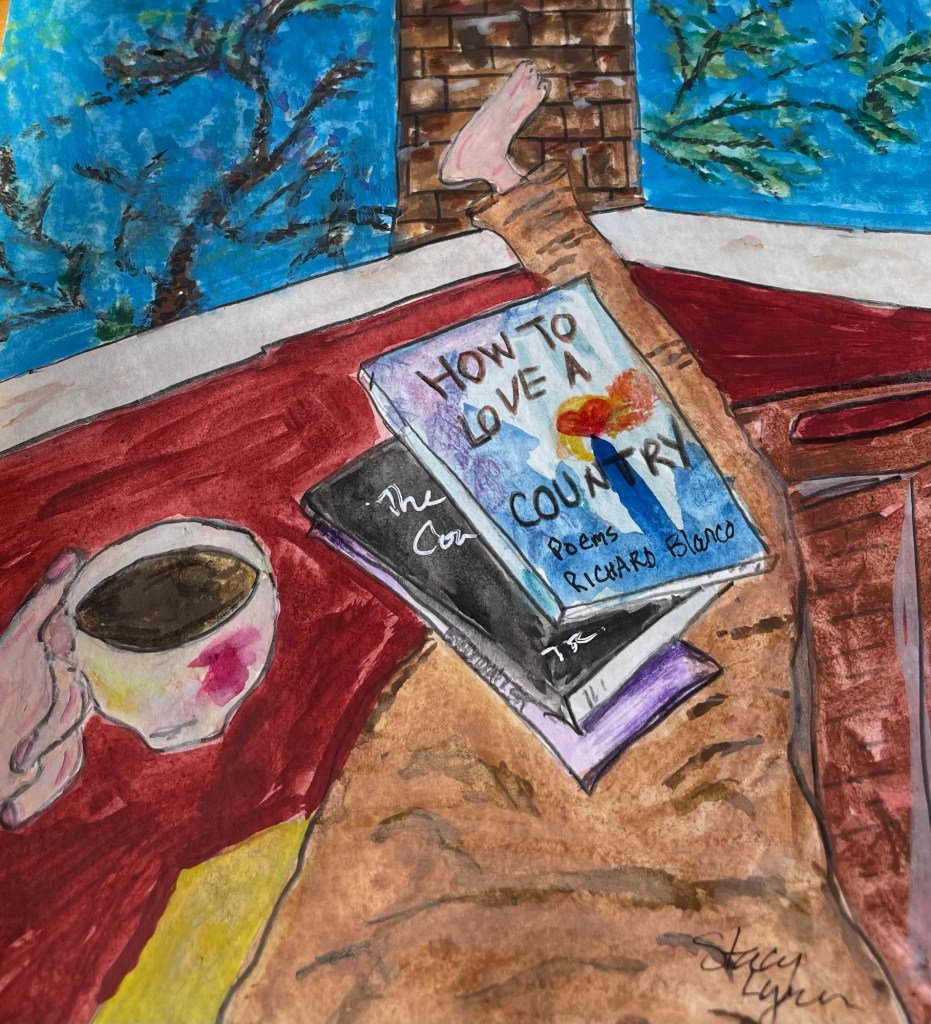
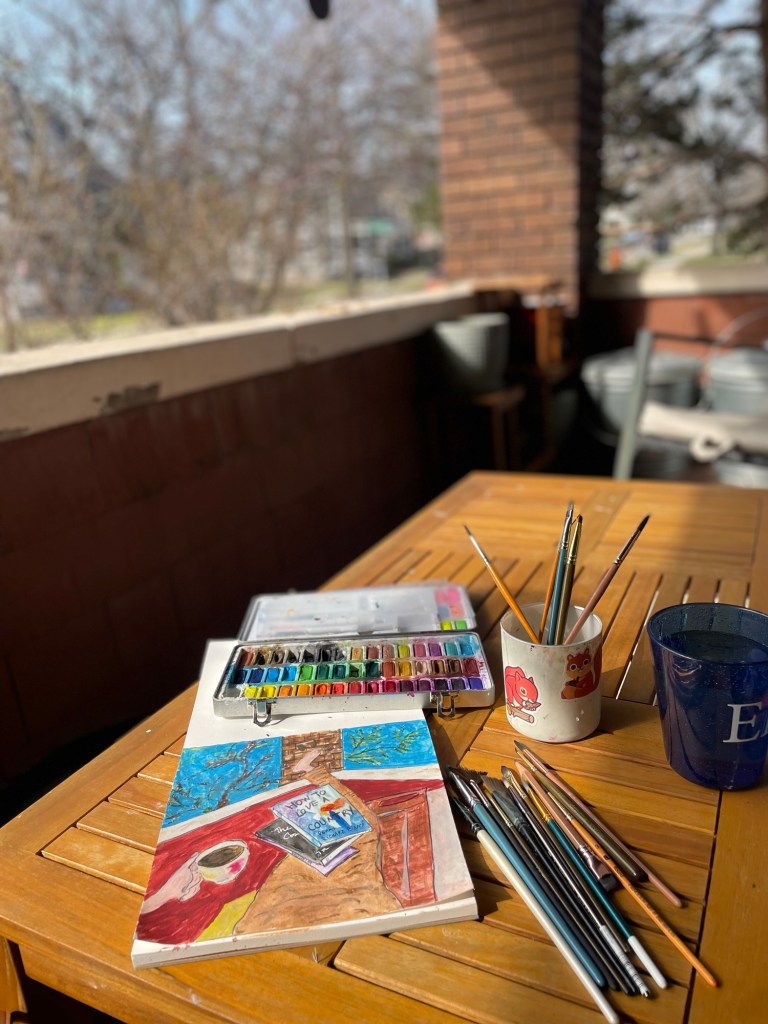
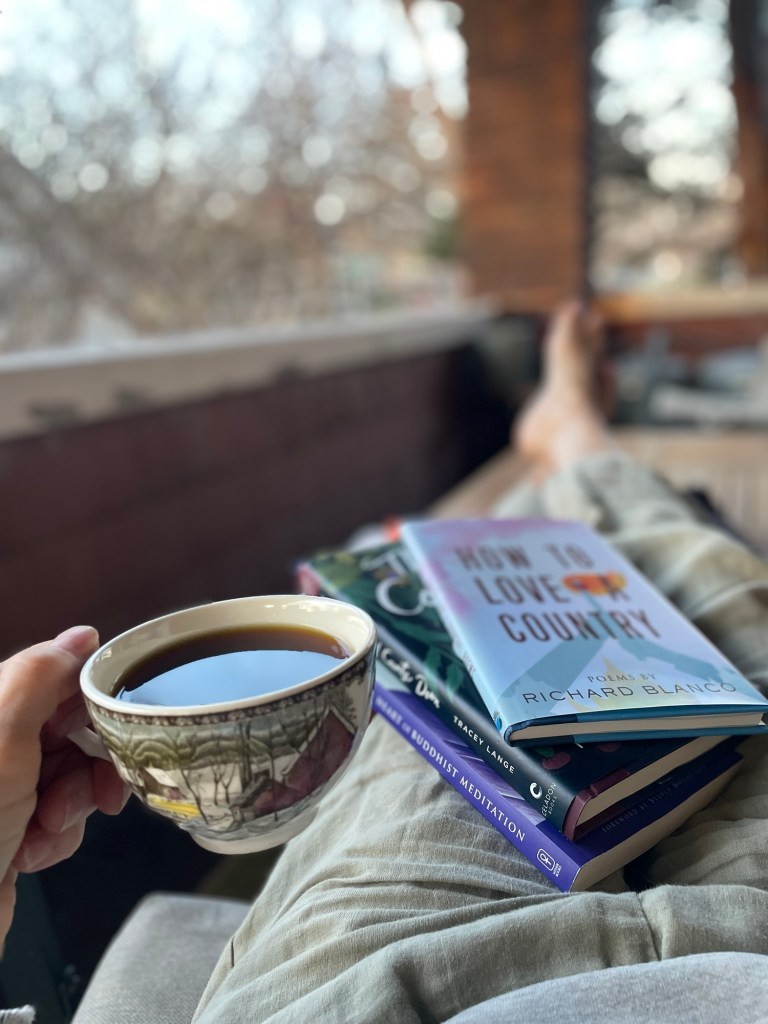
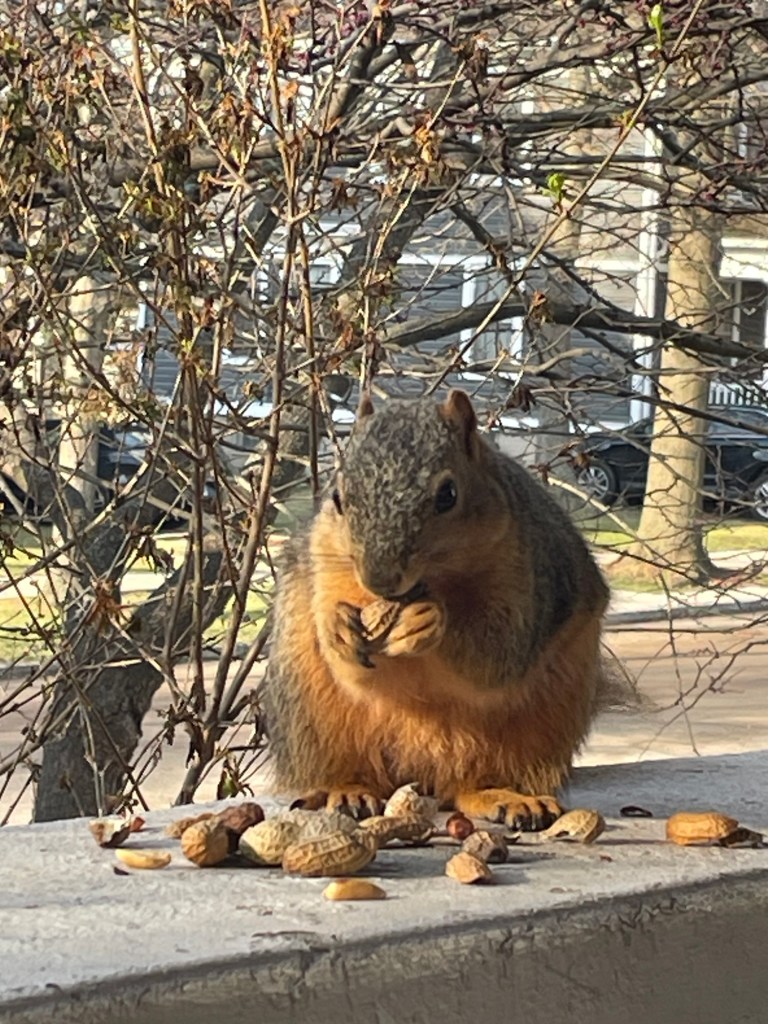
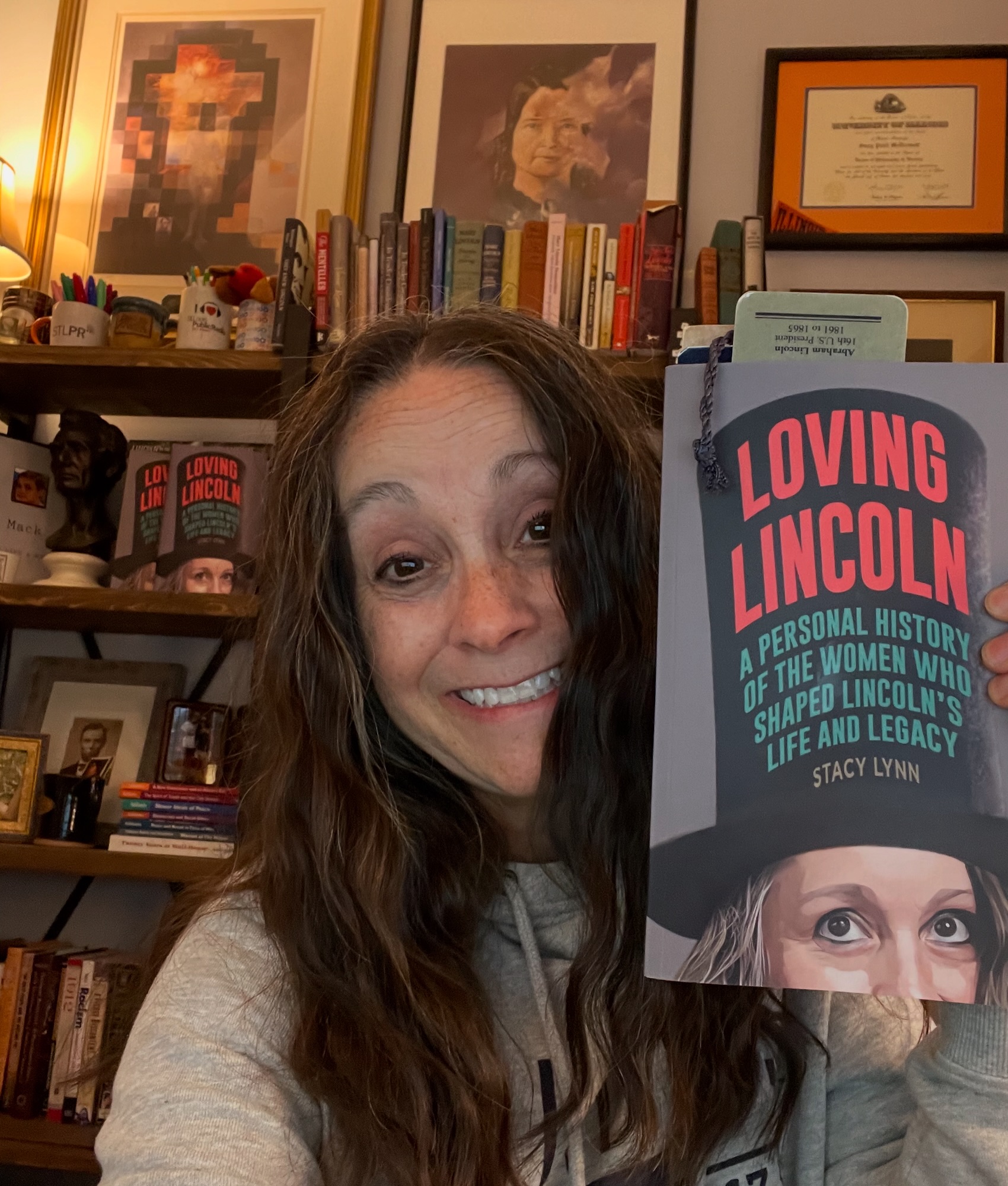

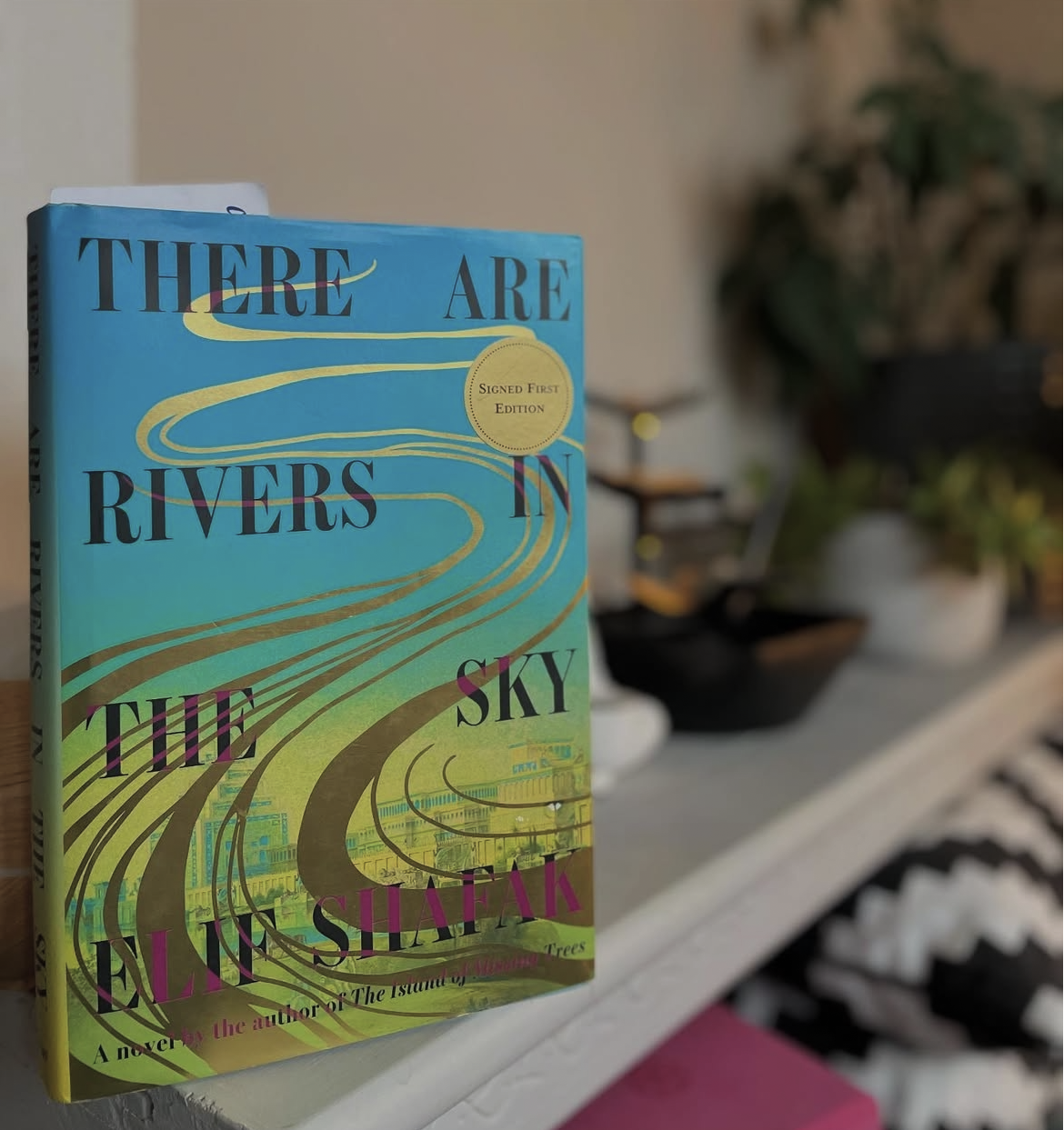


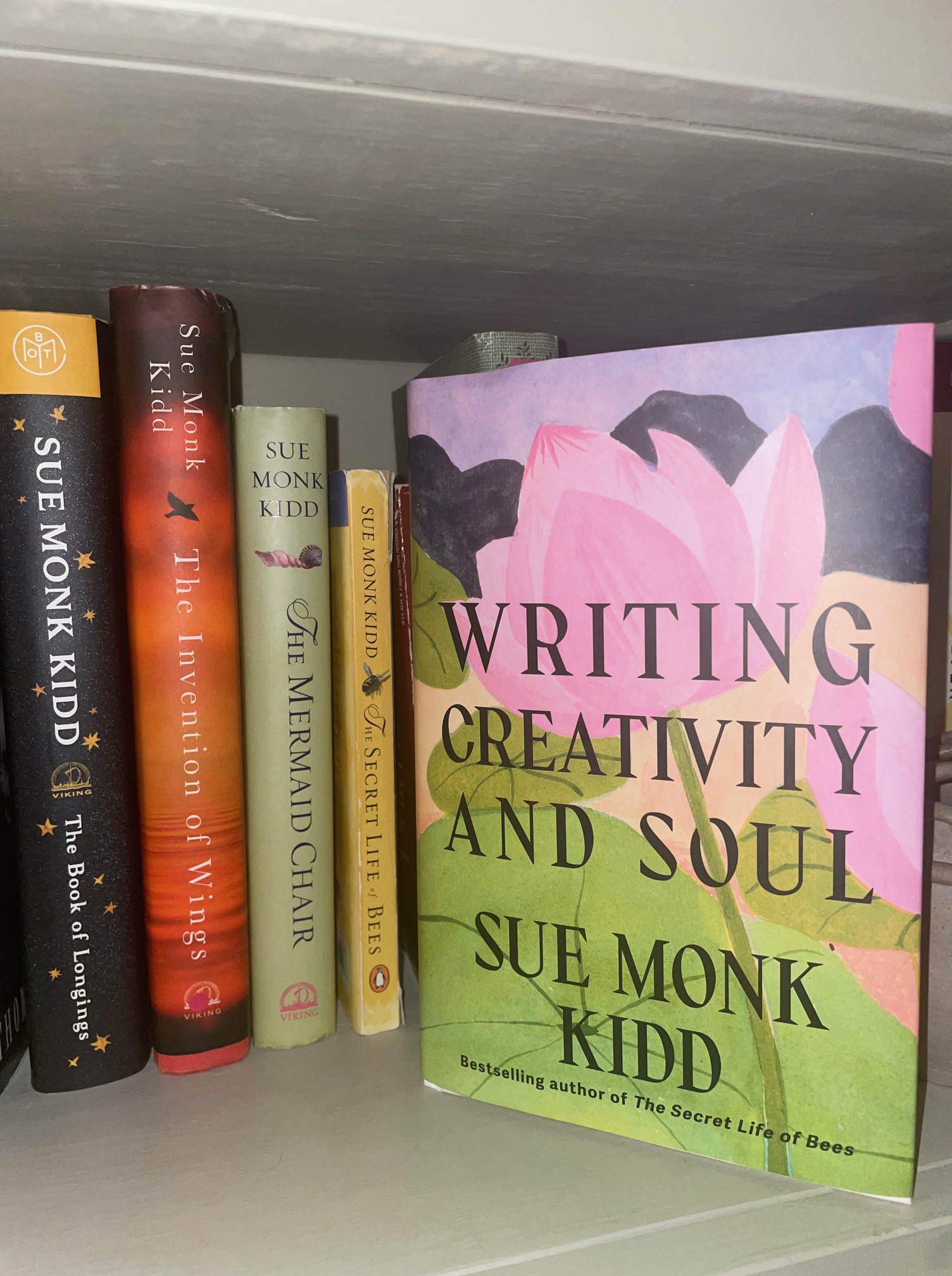
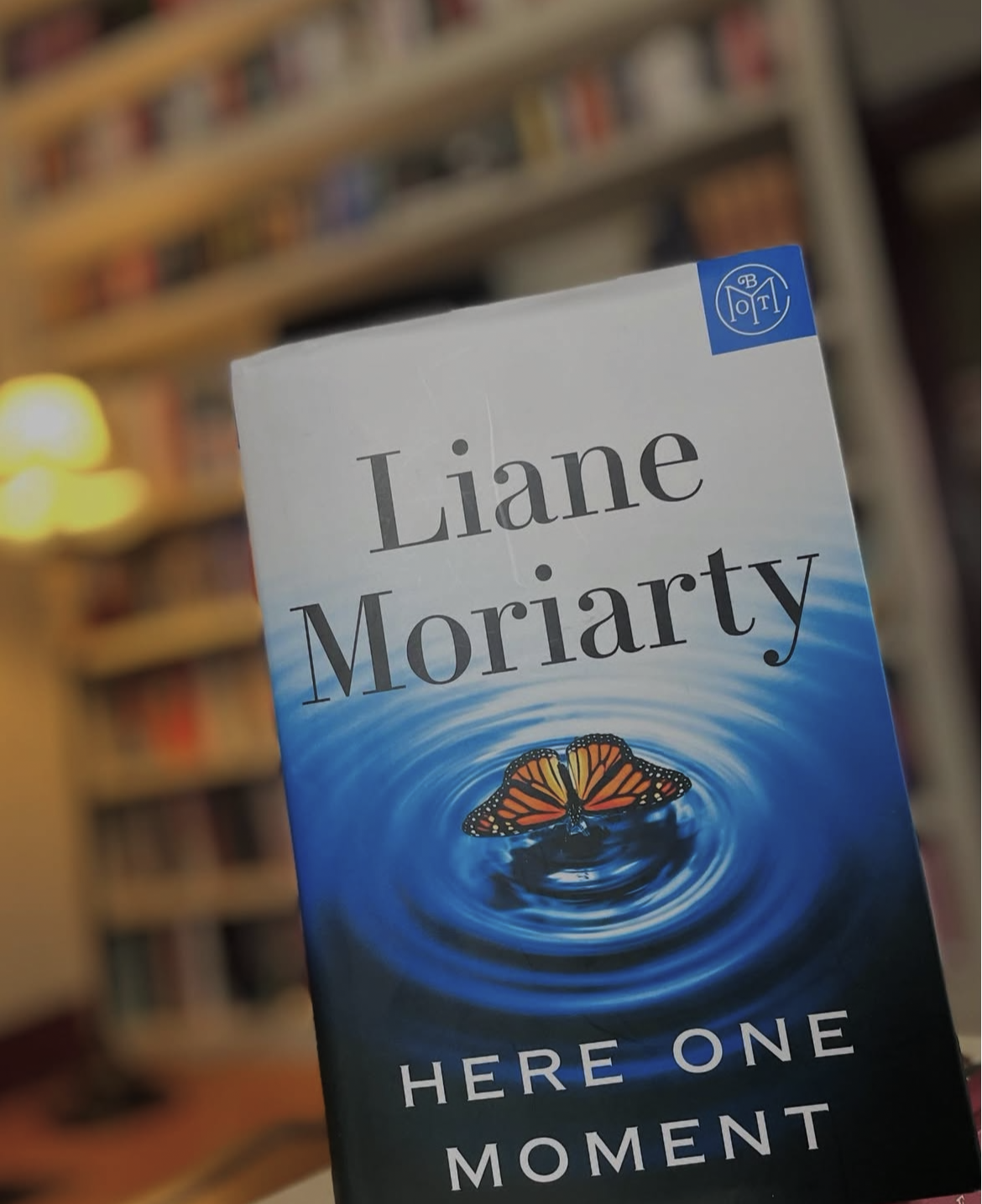

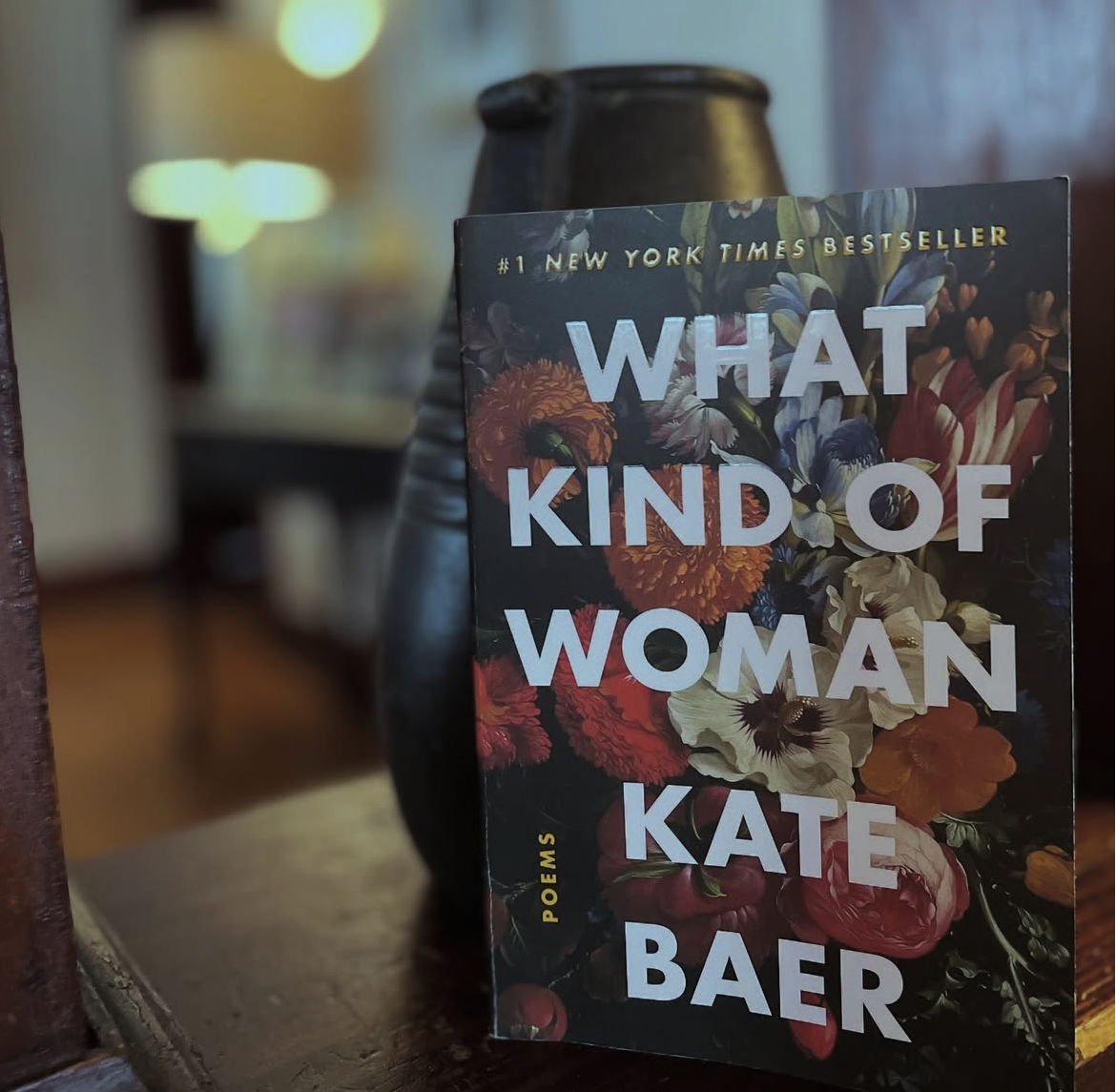
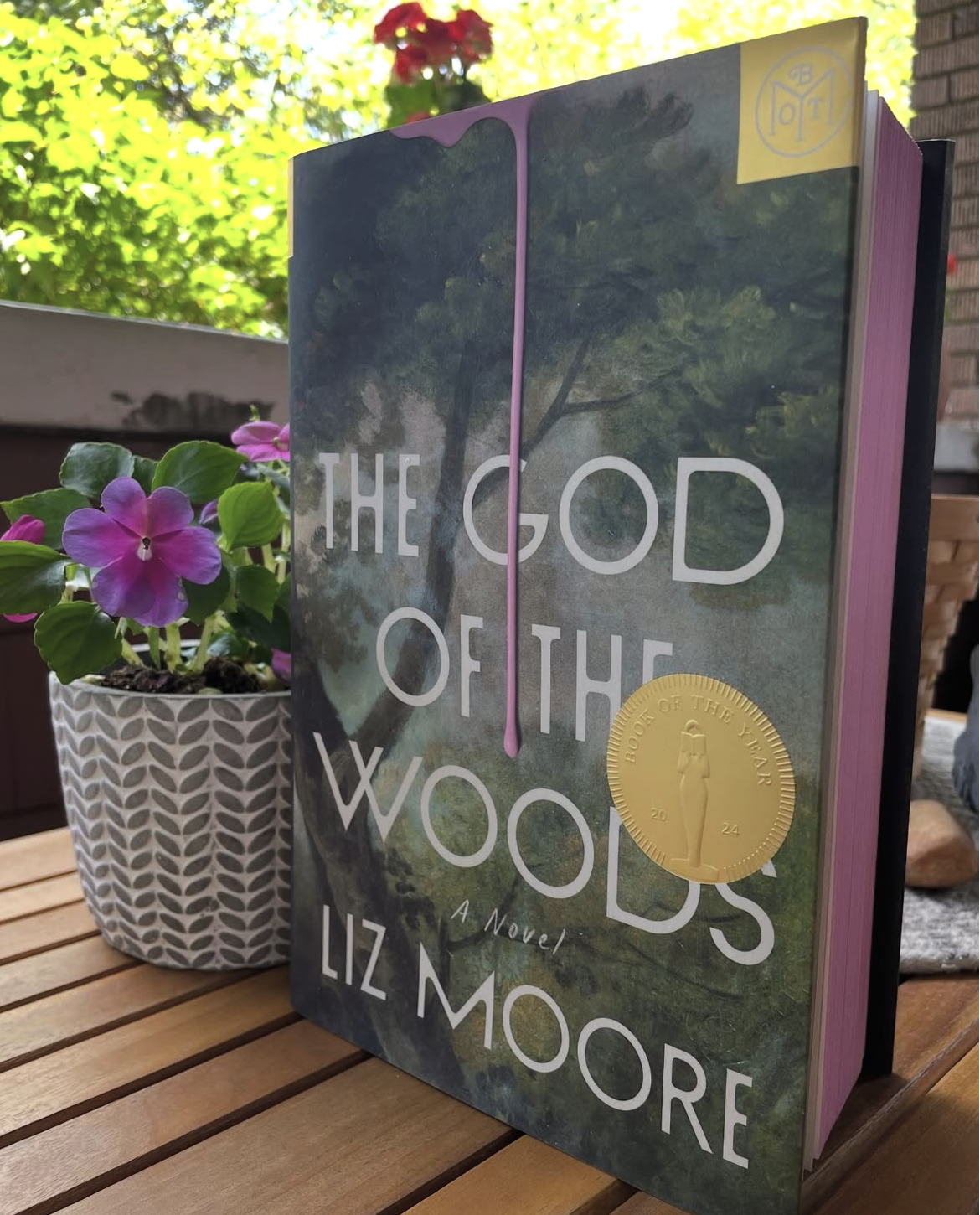
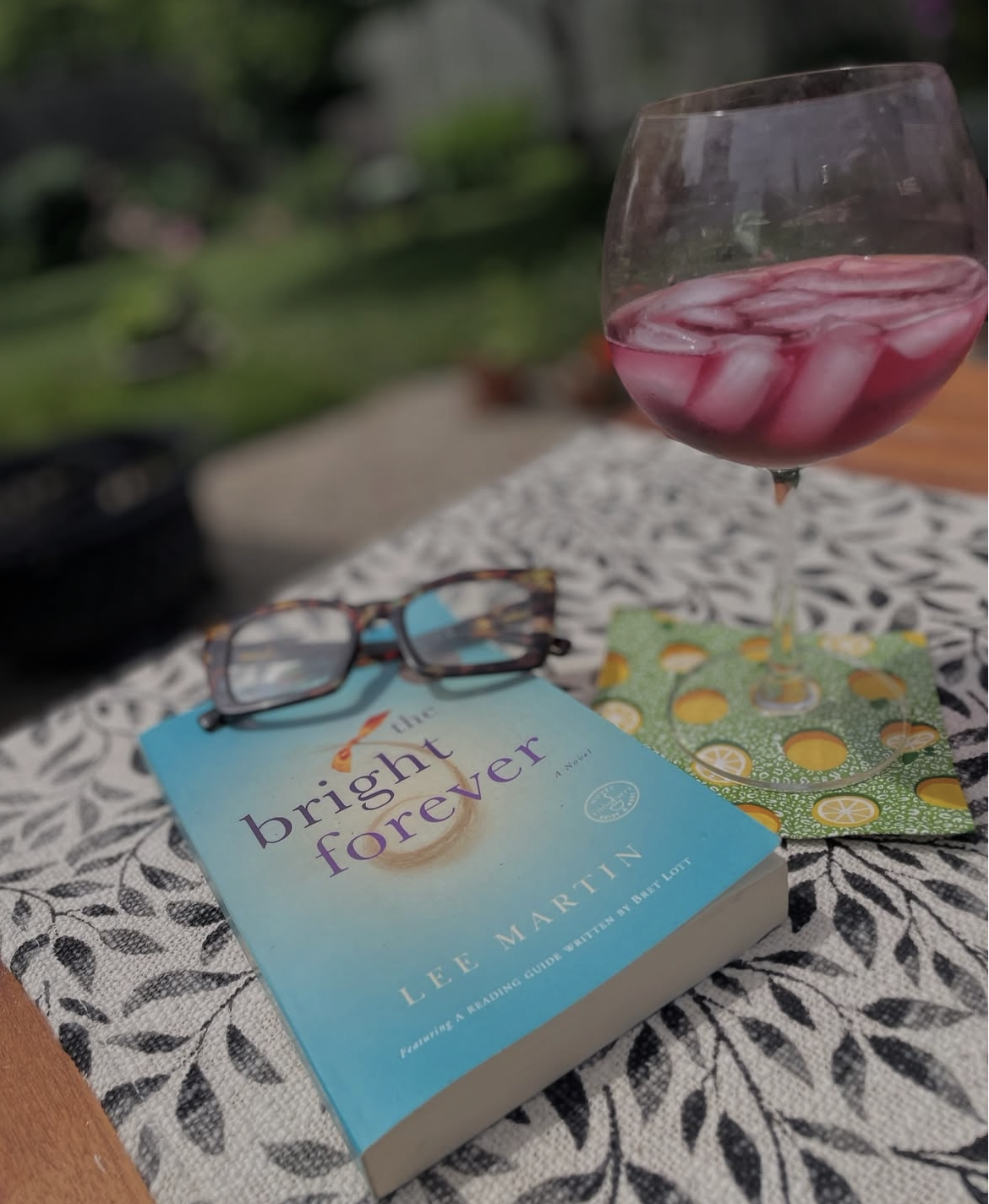
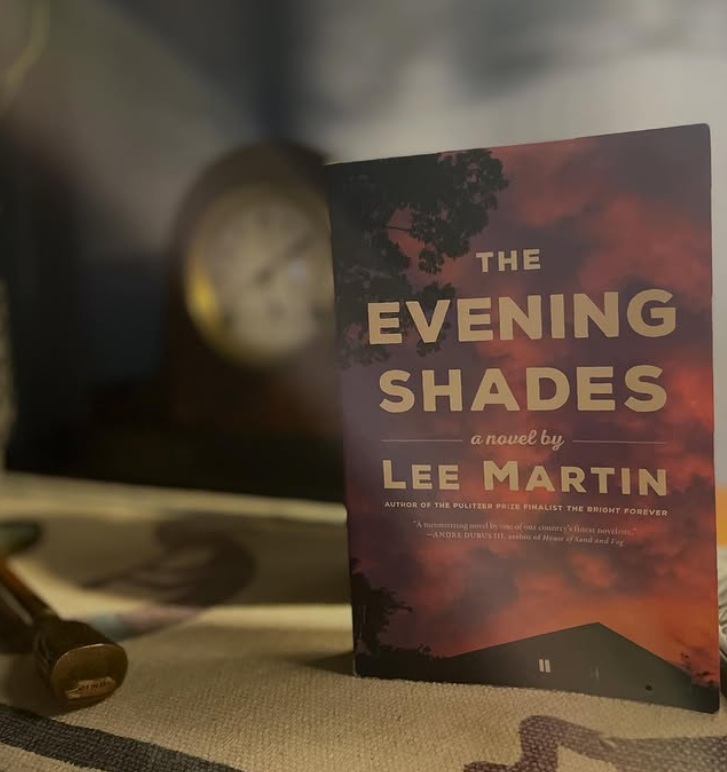
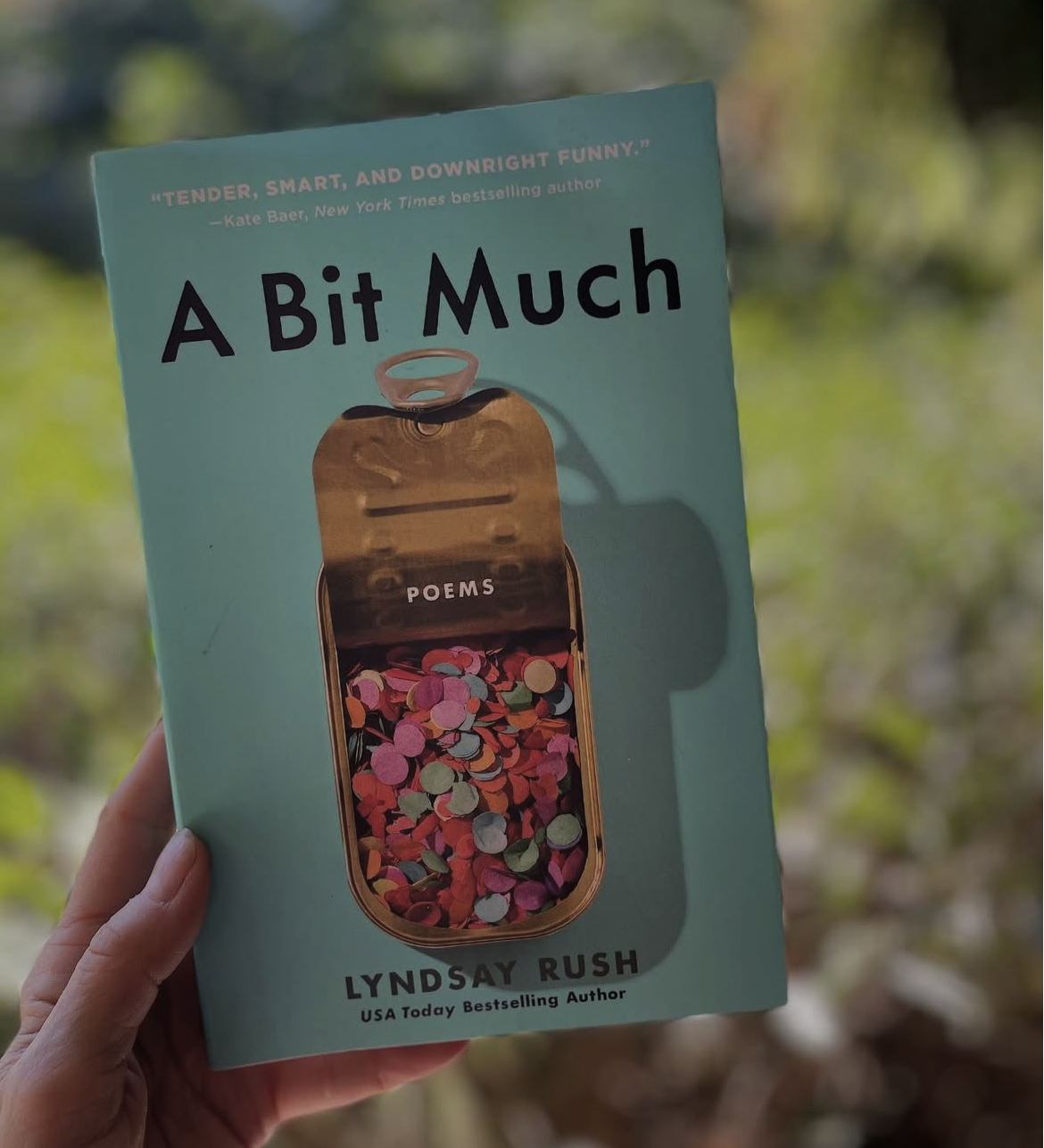
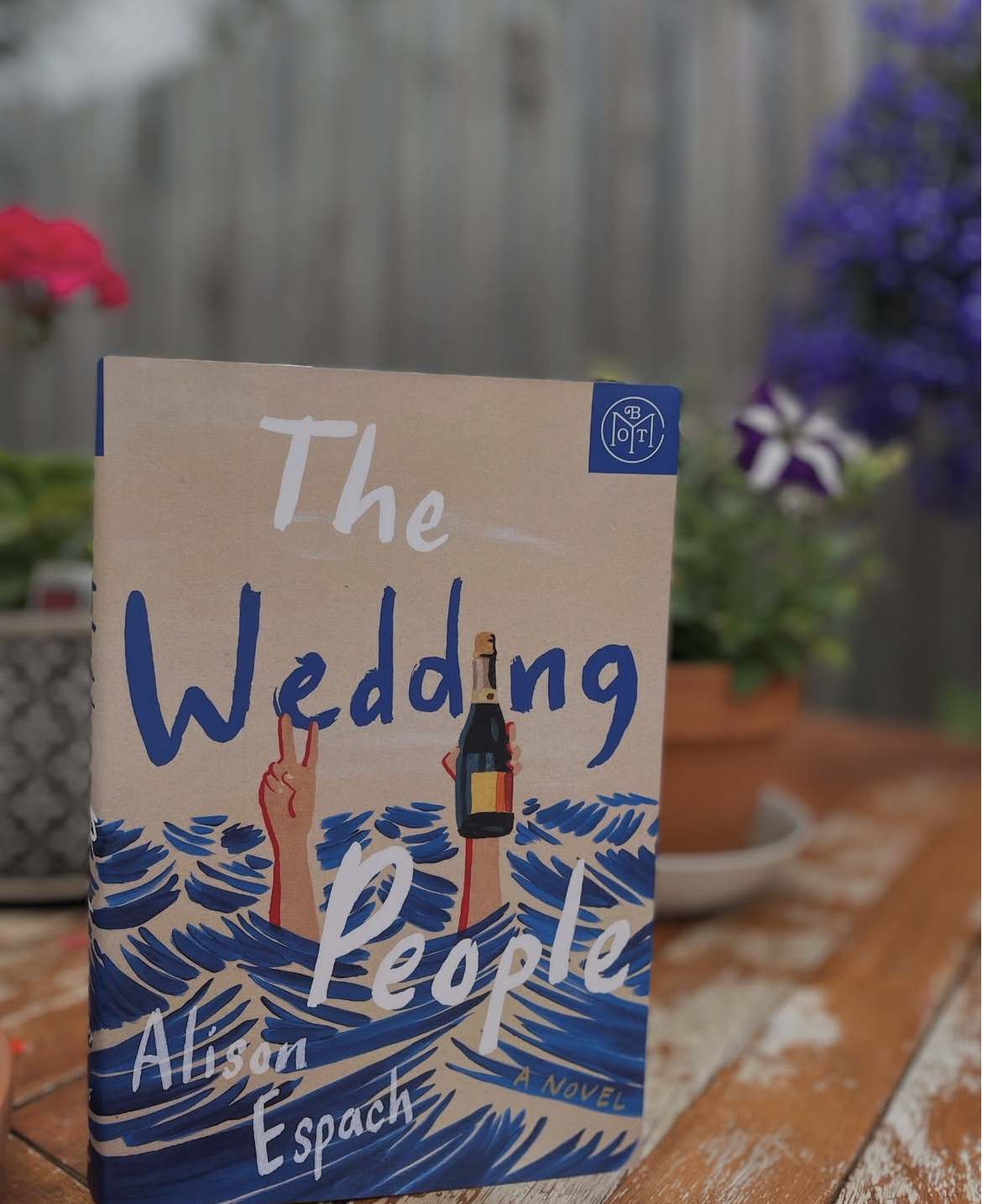

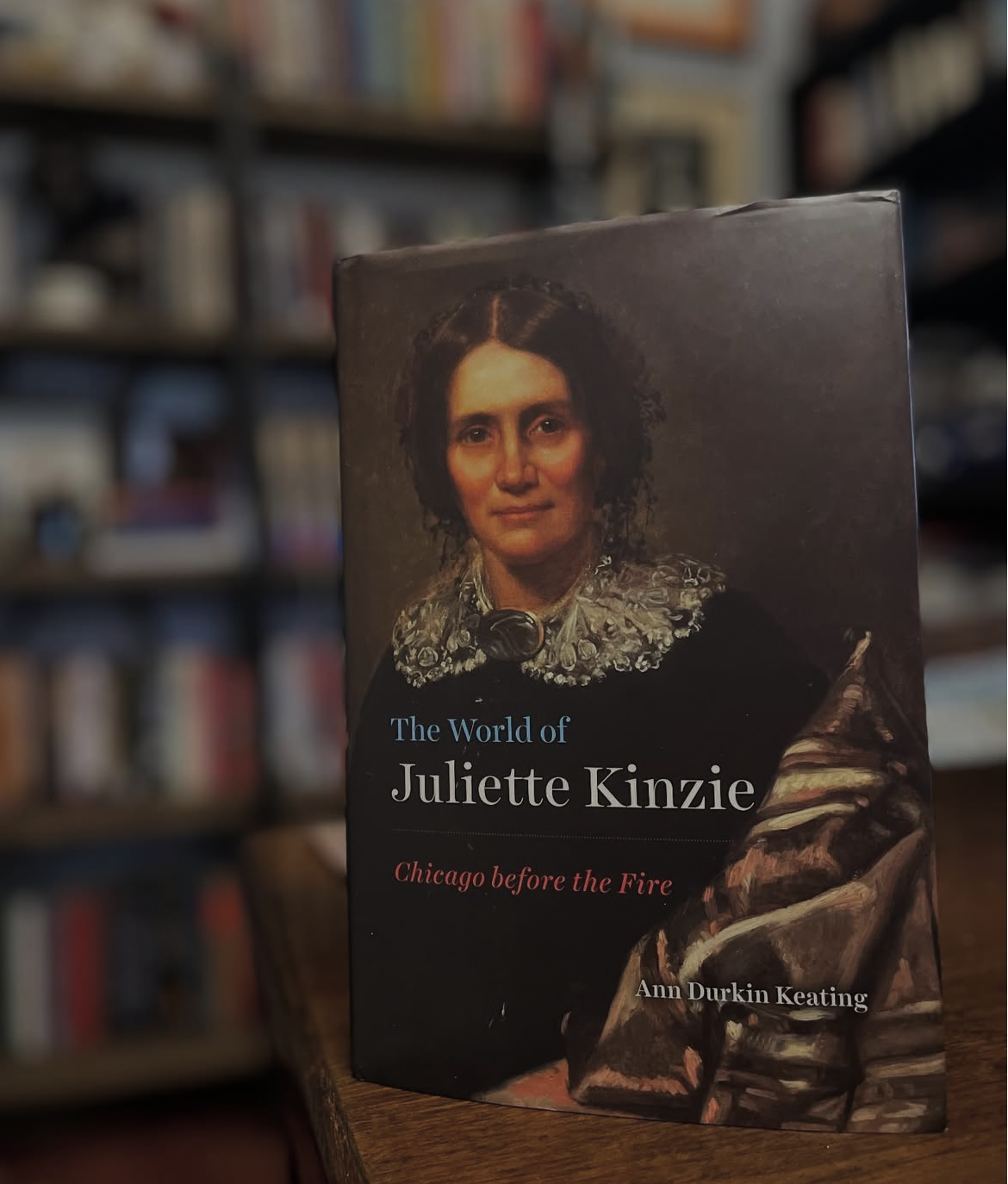
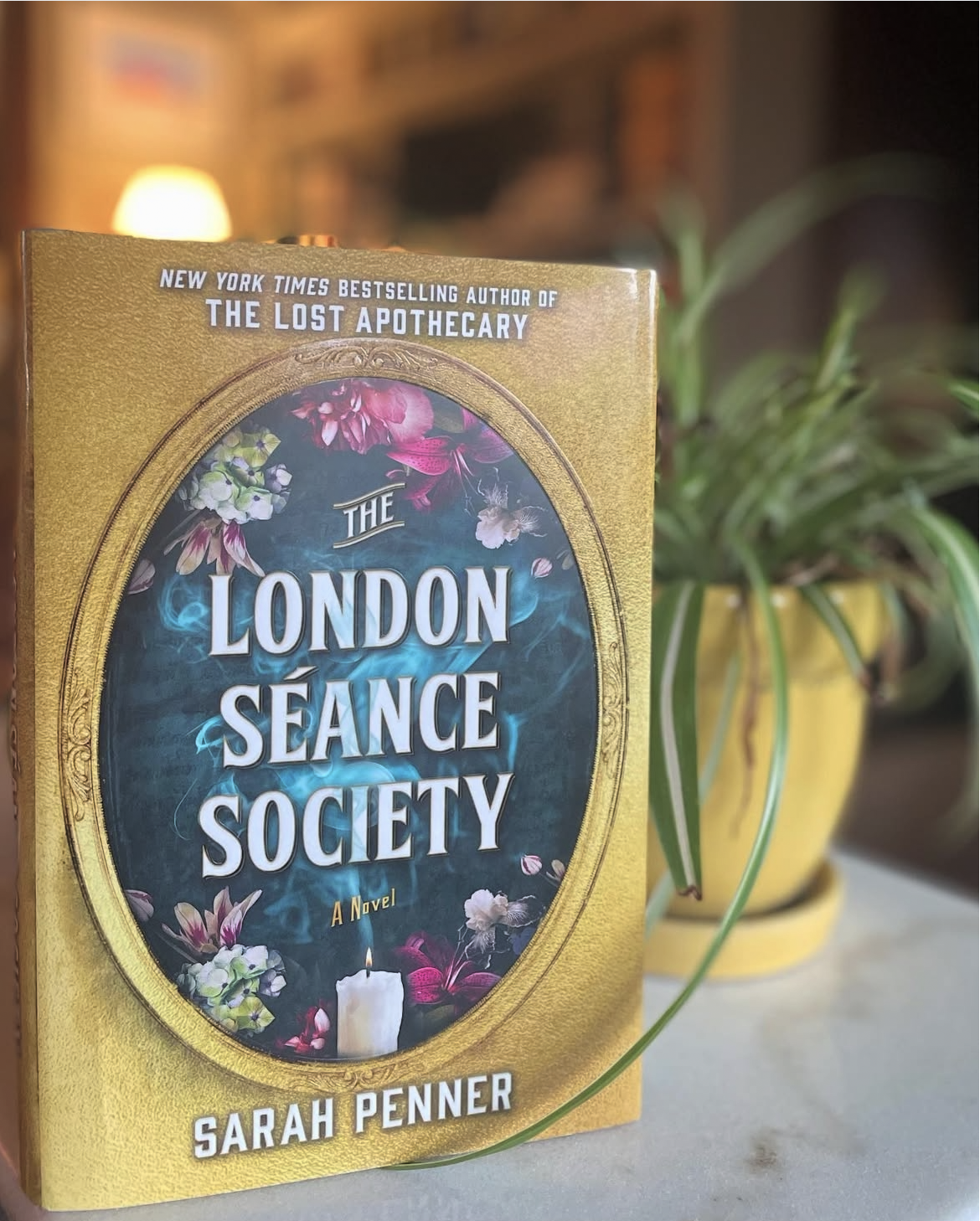

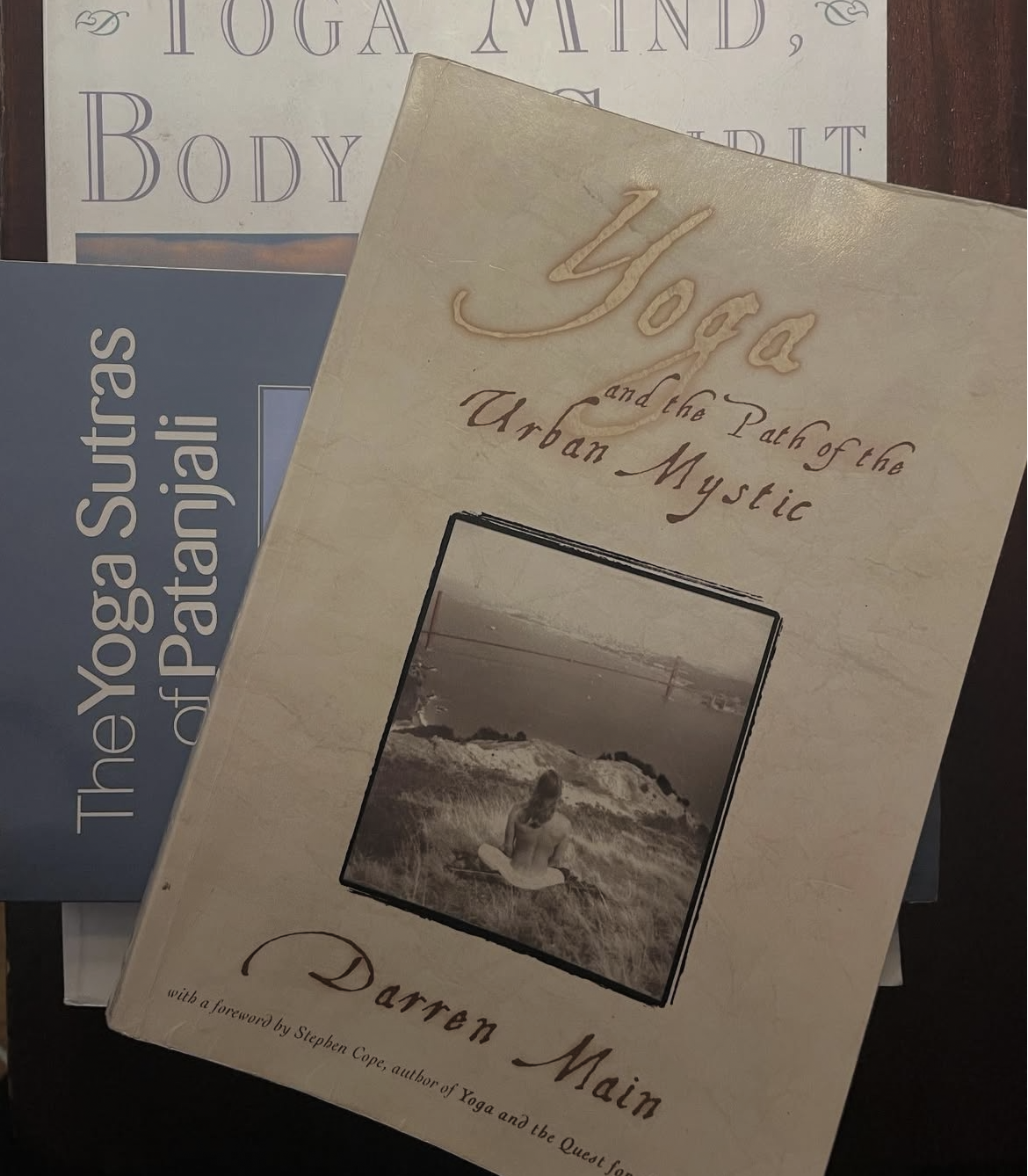
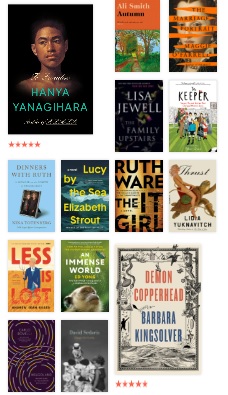

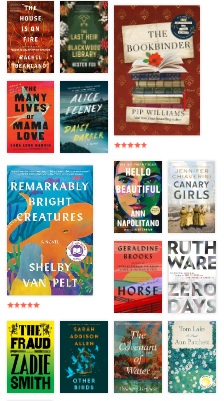


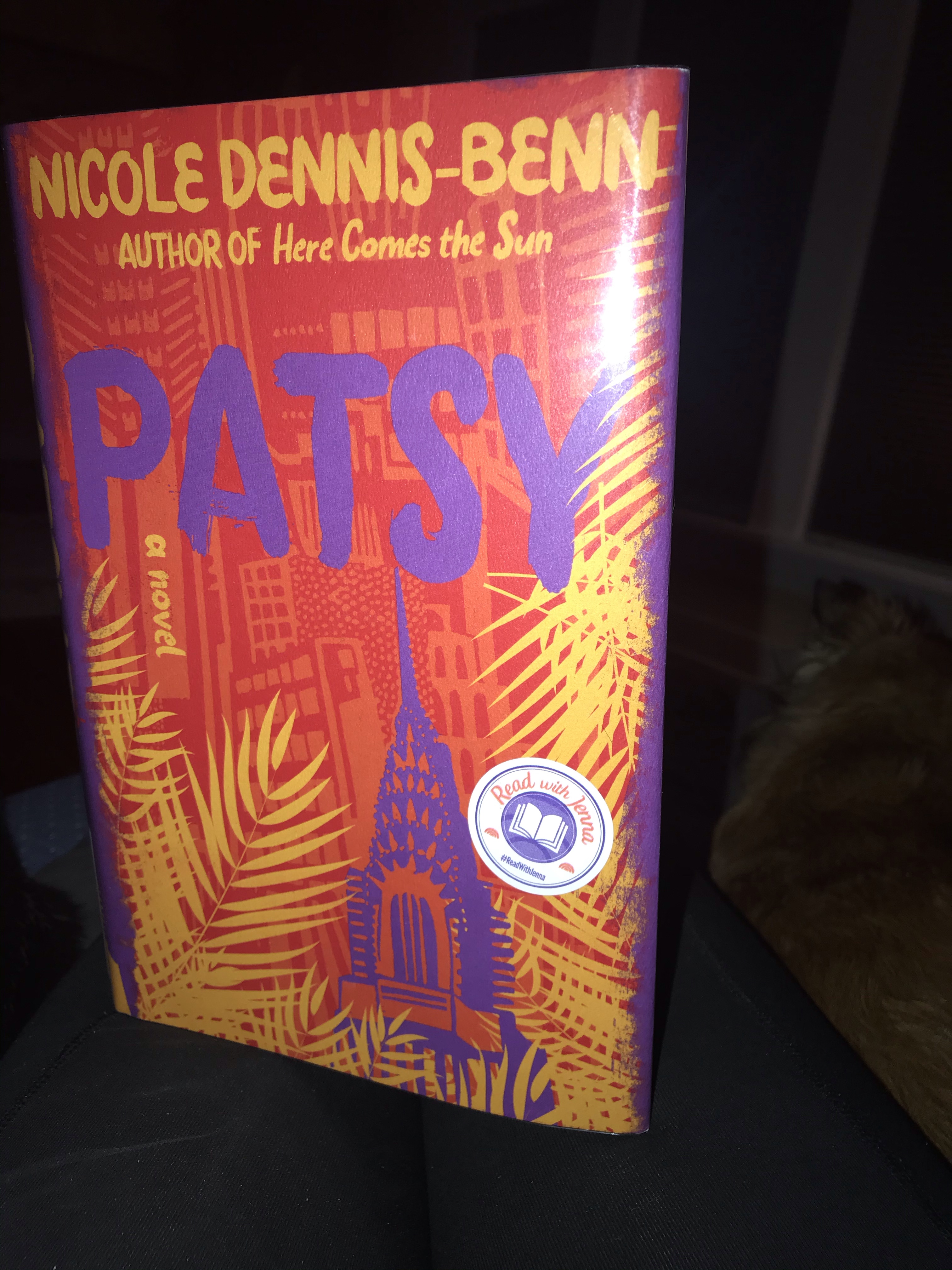
 Being Mack's Momma Bear